
War Data Platform integration plans under scrutiny as DOD hustles to weaponize AI
Sources familiar with the deal expressed unease about the government’s handling of this significant procurement decision.
Sources familiar with the deal expressed unease about the government’s handling of this significant procurement decision.
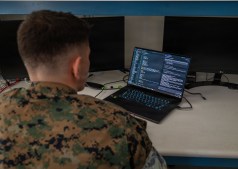
The hackathon is intended to deliver “tangible products that are useful across the enterprise and immediately deployed or adopted for further refinement,” according to an administrative message.

The convergence of commercial satellite imagery, resilient communications, SAR space platforms, and AI-enabled analysis demonstrates a fundamental shift in military space power that the United States should work to harness.

A Marine Corps spokesperson said there are no rank requirements to participate in the hackathon and that judges will be a mix of military, government civilian and industry leadership.

The review of the potential relocation of personnel comes as the Navy is creating a new role to oversee the RAS portfolio.

The company’s signature agentic AI product offering is officially approved compliant to operate at DOD Impact Level 5.
The service issued an RFI on Aug. 4 to support the initiative.

Officials want to expand the surveillance of communications made by individuals incarcerated in the Military Correctional Complex.

Next Generation Command and Control is a top priority for the service.
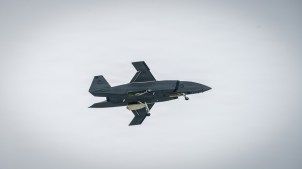
The MQ-28 Ghost Bat drone recently flew with manned fighter aircraft during a recent multinational exercise in the Pacific.
