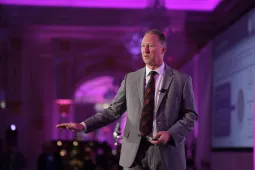
Pentagon elevates AI as a ‘fundamental requirement’ for cybersecurity staff training
A senior Defense Department official shared new details about these plans and cybersecurity workforce recruitment at FedTalks on Tuesday.
A senior Defense Department official shared new details about these plans and cybersecurity workforce recruitment at FedTalks on Tuesday.
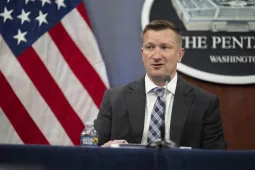
Senior officials previewed the Defense Department’s latest Agency Financial Report ahead of its public release.

The organization aims to move from a “reactive footing” to a “proactive model” as it carries out its missions.
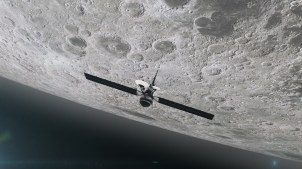
The service is asking industry for ready-made software concepts that will shape future cislunar system requirements.

SAP NS2’s Jeremy Perkins details how defense agencies can bypass traditional ATO bottlenecks and fast-track enterprise IT modernization by adopting approved, ‘clean-core’ cloud applications with embedded AI capabilities.
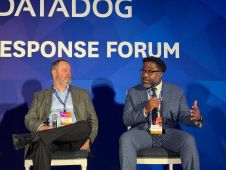
Artificial intelligence has huge promise for the U.S. military services, but in some cases, early results haven’t lived up to the hype.

In his new role, Driscoll will “work with OpenAI teams and leaders across governments, industry, academia, and allied institutions to advance practical modernization initiatives that support the buildout of democratic AI,” the company said in a press release announcing his appointment.

You can’t evaluate what you can’t inspect. You can’t defend a decision you can’t explain. You can’t correct a failure you can’t see. And an answer you can’t trace is an answer you can’t trust.

A nuclear detonation in space could make all of LEO unusable for up to a year.

“Partnering with commercial industry is a national security imperative for the Army, as the private sector drives rapid innovation in superintelligence, cloud architecture and cyber operations capabilities,” Col. David Bergmann said.
