Annual defense policy bill calls for psychological study on drone operators, analysts
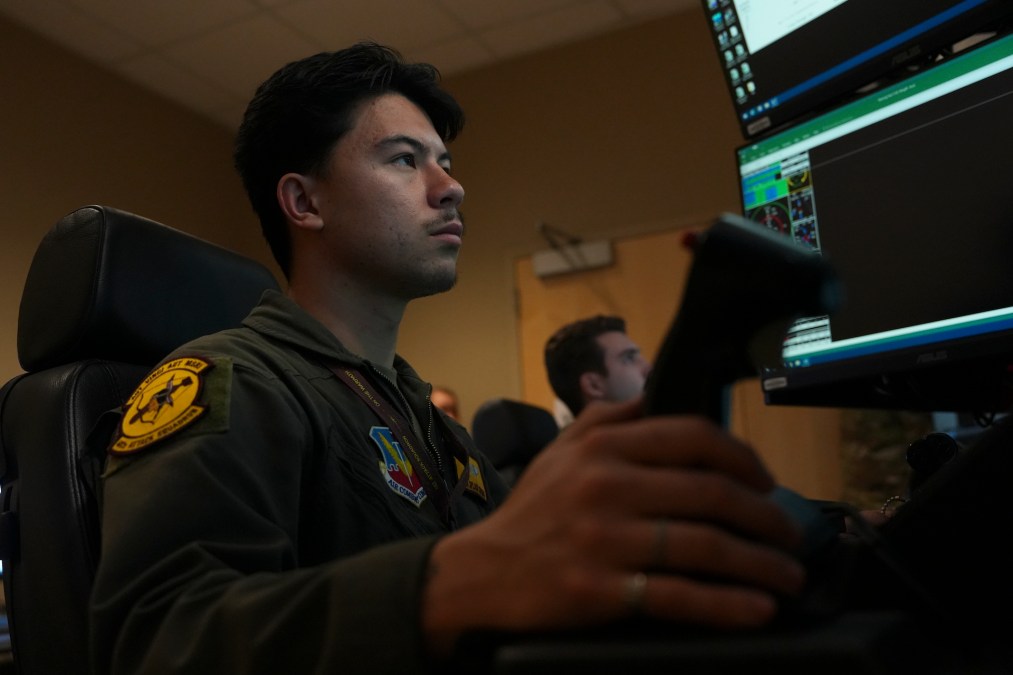
The final draft of the annual defense policy bill tasks the Pentagon with conducting a psychological study on troops and Defense Department civilians who use or support unmanned aircraft systems in combat.
The study would assess the prevalence of post traumatic stress, depression, anxiety, burnout, moral injury — a term that gained popularity during the Global War on Terror used to describe a distressing ethical contradiction in the aftermath of a traumatic event — and other mental health conditions among drone operators and analysts.
The evaluation outlined in the bill would address stressors that have afflicted UAS users as they become ubiquitous to battlefields in the 21st century, including long, high-stress work shifts, witnessing lethal strikes remotely, isolation and exposure to civilian casualties.
However, it is unlikely to cover the type of short-range, first-person-view drone fights happening in conflicts such as the Russia-Ukraine war, one drone expert told DefenseScoop, given the American military’s exceptionally limited experience in that type of peer-to-peer robotic combat.
“Therefore this research that we can be doing is retrospective on this very specific and early type of drone warfare in the Global War on Terror,” said Molly Campbell, a research assistant with the Center for a New American Security who specializes in drones. During the GWOT, uncrewed aerial system operations often involved remote pilots continents away from their targets, she said.
“It’s touching on a different, almost very uniquely American, uniquely 21st century niche of warfare that had emerged and is now kind of coming back,” she said, referring to the military’s increasing strikes against alleged drug boats in the Caribbean.
The Defense Department has not publicly disclosed the capabilities used in the strikes — which have now killed more than 80 people and have garnered significant criticism about their legality since September — but a New York Times analysis of videos publicized by the Trump administration found that they included munitions from both drones and manned aircraft.
The psychological study is included in the National Defense Authorization Act, or NDAA which is expected to pass the House this week. If signed into law, the secretary of defense has one year to submit the unclassified results of the evaluation to the House and Senate Armed Services Committees, according to the defense bill.
While the exact impetus for the inclusion of the study in the NDAA is unclear, it could renew attention to drone operator welfare as the military continues its Caribbean strikes. Campbell said that it might also open the door for GWOT drone users to better access mental health resources if there is an official Pentagon accounting of their unique concerns.
The Journal of Mental Health & Clinical Psychology published a review in 2023 noting how the remote nature of drone warfare created unique mental health issues among operators, especially moral injury. During the GWOT, personnel watched human targets for days or weeks at a time, safe from harm miles or continents away “but intimately close to the physical and psychological effects of their actions on victims because of the technology provided,” it said.
The review included accounts from operators and analysts who reported that the frequent exposure to such violence — including civilian casualties and repeated viewings — caused mental health issues and “whiplash” as they clocked out from long shifts directly back to domestic life.
Those issues were compounded by the stigma of seeking mental health care in the military, especially for drone operators who often carry out secret missions with little credit and away from frontline combat. This can also make research difficult as UAS specialists may be reticent to disclose their concerns if they perceive it could affect their jobs.
The NDAA study would specifically include an evaluation of shift work and sleep disruption, remote witnessing of lethal operations, emotional disengagement and isolation, and exposure to civilian casualties or traumatic visual content.
Notably, the research is not limited to drone operators themselves. According to the bill, troops or civilians who analyze combat imagery or make targeting assessments would be included in the study. It also calls for a comparative analysis into aircrews who have engaged in combat operations and “personnel in non-flying combat roles.”
“Analysts are long overdue to be included in this kind of research,” said Dr. Georgia Butcher, an anthropologist who studied drone personnel for years. “They’re part of the decision-making processes and are working with the same information as the pilots and sensor operators.”
She noted that this study could be expanded to other parts of the drone community as well, such as communications personnel. While they may not be part of the decision-making for strikes, “they are still watching the same feed,” she added.