Air National Guard adding cyber operations squadron at Louisiana base
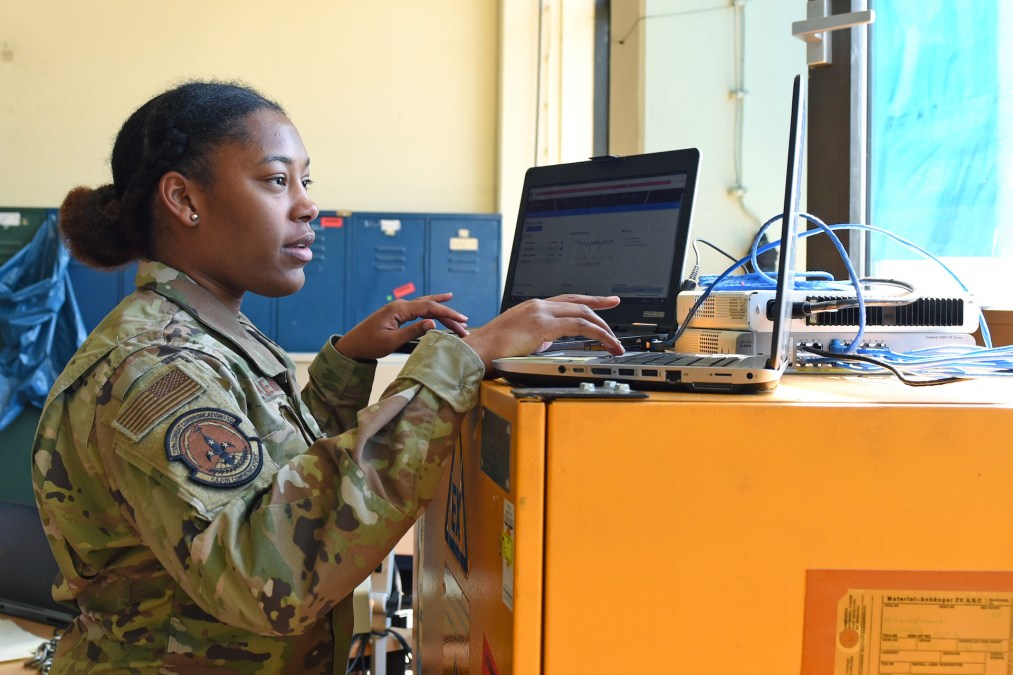
Jackson Barracks, headquarters of the Louisiana National Guard, will be the home of a new Air National Guard unit tasked with providing cyber capabilities, the Air Force announced Wednesday.
The new squadron will be supported by converting manpower from the 122th Air Support Operations Squadron at Camp Beauregard in Louisiana — which is slated to be deactivated as part of budget divestments in ANG tactical air control part (TACP) missions. The cyber operations unit is expected to reach full operational capability in spring 2030, according to the service.
As part of the transition, the Louisiana Air National Guard will lose four part-time personnel authorizations but gain 33 part-time authorizations, the Air Force said in a news release.
The realignment is the latest move to cut 50 percent of the Air National Guard’s TACP and control and reporting center missions, which was directed in the fiscal 2025 defense budget. Along with establishing squadrons, the ANG has also expanded some of its units around the country to focus on cyber operations.
The service previously announced in September that the Roland R. Write Air National Guard Base in Utah would replace its TACP unit with two new cyber operations squadrons also by 2030.
TACPs are trained special operations units that embed with ground-based Army or Marine Corps forces to provide airpower support, such as calling in precision air strikes or conducting reconnaissance.
The groups were integral to operations in the Middle East during the post-9/11 wars, but the Pentagon’s broader shift to prepare for potential conflicts in the Indo-Pacific have prompted the entire department to bolster different highly-technical warfighting skillsets, including cyber.