Army looks to lease out land on 4 military installations for new commercial data centers
Private, public and not-for-profit companies could soon build out and host commercial data centers on U.S. Army installations, as part of a broader Trump administration-led push to expand the nation’s AI and technological infrastructure.
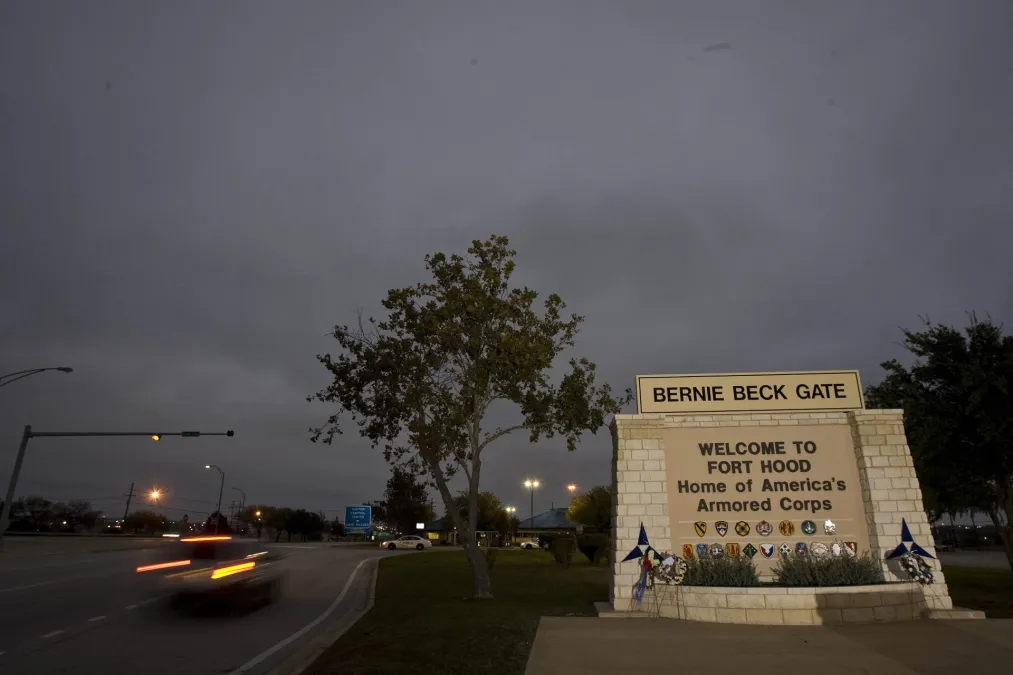
The Army is currently reviewing pitches from businesses that want to lease lots of underutilized land for data center development projects at Fort Hood and Fort Bliss in Texas, Fort Bragg in North Carolina, and Dugway Proving Ground in Utah.
A recent request for proposals and more than a dozen associated materials shed light on the service’s plans to “maximize [its] financial return” by renting out non-excess, available properties for the stand-up of massive, mostly windowless buildings that could power the internet and cloud storage for 50-year terms.
“The RFP we have out now for data center [Enhanced Use Lease] opportunities, if awarded and executed, would be the first EUL for data centers on Army installations,” a spokesperson for the service told DefenseScoop. “This is a fully open and competitive process.”
Considered factories of the digital age, data centers are specialized facilities that house servers, storage, IT and networking equipment needed to process and store the data that underpins the internet, cloud computing, and AI.
They consume vast amounts of electricity and water for cooling, often leading to serious environmental impacts like high emissions, resource scarcity, and strained power grids.
“Proposals shall describe Offeror’s planned local outreach and engagement for its potential deployment of the data center on the Properties to assess local sentiment and any risks or opposition to execution of the Project,” officials wrote in the RFP.
Last year, President Donald Trump issued an executive order that included directions for the Defense Department and three other agencies to facilitate new government-funded infrastructure projects related to data centers — and ultimately “authorize data center construction on appropriate Federal lands.”
That order notably revoked a Biden-era EO from 2024 that directed the DOD and Energy Department to lease federal land sites to private sector organizations to construct frontier AI data centers supported by renewable energy.
The Army spokesperson confirmed that this new RFP opportunity supports Trump’s order to accelerate the federal permitting of data center infrastructure, and “other administrative and Army senior leader priorities.”
Proposals are due on Feb. 23, and they will not be accepted past 5:00pm EST that day.
Submitted entries will need to detail all the utilities that would be essential for the projects, including but not limited to water, sanitary sewer, electrical power, and telecommunications. Those applying will also need to include a proposed security plan to mitigate potential cyber, physical, supply chain, and other security risks associated with the efforts.
“As far as the data centers, the concerns are typically the same regardless of location: water usage/requirements, electrical requirements, noise, and being unsightly,” Dr. Jason Walter, an associate professor of economics at the University of Tulsa told DefenseScoop. “As noted in the Fort Hood Q&A, the city of Copperas Cove will likely be affected as well as some of their water resources.”
The Q&As and other documents accompanying the RFP provide many details about each of the installations’ sizes, resources, populations, and more.
Notably, the attachments state that at Fort Bliss “only the 1,384 acres identified in the RFP are available for lease” — and the land was “reduced due to cultural and environmental considerations prior to posting” in the original request published in January.
“The Fort Bliss information seems to imply a lack of water. The land details seem to imply that there could be potential archaeological sites nearby, but the concerns for the area in question have been examined (chemical, environmental, archaeological, etc.) although typical permitting is still needed,” Walter noted. “The surrounding land may have been removed intentionally because of these concerns.”
When asked about the change, the Army spokesperson said that the service’s EUL process follows all applicable environmental laws and compliance efforts.
“The Army has a process to determine the parcels identified in the RFP, there are many considerations that go into this analysis to include installation mission, community impact, environmental and other impacts, etc.,” the spokesperson said.
Among other inclusions, the RFP notes that in exchange for the Army entering into the contemplated EULs and in accordance with existing laws, if chosen, the selected offerers will be “required to provide consideration in the form of in-kind, cash, or a combination thereof, not less than the fair market rental value of the lease interest as determined by” the Army, which it also refers to as “rent.”
Walter suggested that the 50-year aspect of the lease is significant, and pointed out that it seems the government would control most elements in any leasing agreements.
“Obviously, this could yield revenue from currently unused land, but the option for ‘in-kind’ payment is concerning. The construction and operation on federal land creates even more challenges. In addition, the site could be exempt or complicate local taxation while requiring more infrastructure. Any ‘in-kind’ payment could potentially make this worse,” the professor said.
“I think there are other concerns with these types of agreements,” Walter also told DefenseScoop. “The federal-private company angle is unique and creates grey areas and potential problems for the local population — this is in addition to the typical concerns with data centers.”
The Army isn’t the only military service that’s been looking to lease land for data center development. In October, the Air Force published a request for lease proposals that was also in accordance with the Trump administration’s executive order.