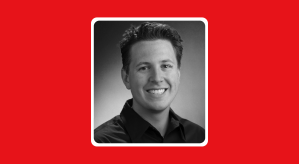
Derrick Anderson steps into SO/LIC role amid high demand for special operations forces, new tech
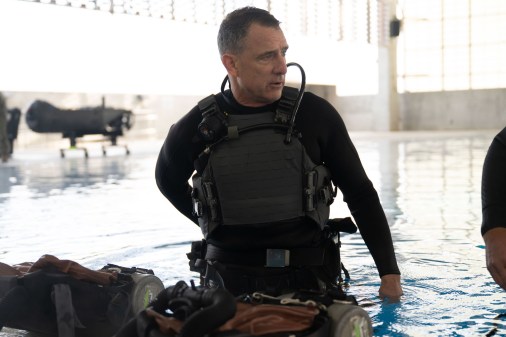
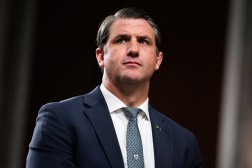
Derrick Anderson has taken the helm as the Pentagon’s top adviser, advocate and overseer for special operations forces and irregular warfare at a pivotal time for the SOF community.
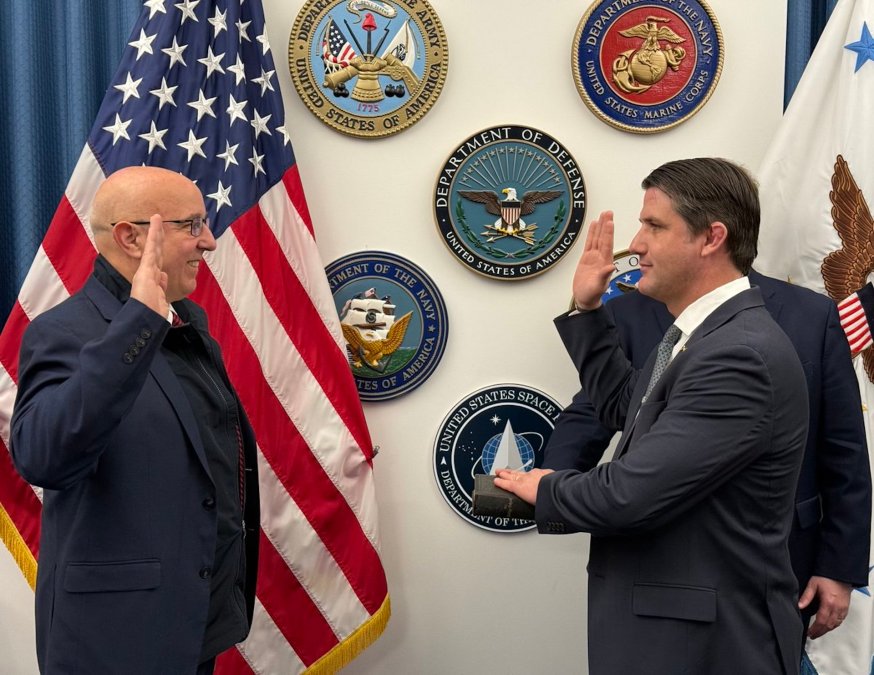
On Dec. 29, he posted a photo on social media of him being sworn in as assistant secretary of defense for special operations and low-intensity conflict — which the Trump administration refers to as “assistant secretary of war” for SO/LIC.
Anderson’s entrance into his new role comes as American commandos and their unique skills are in high demand and officials are pursuing new capabilities to enable them.
SOF made headlines in recent days, playing a major role in the raid to capture Venezuelan leader Nicolas Maduro in Caracas and the seizure of sanctioned oil tankers.
U.S. Special Operations Command was also involved in controversial strikes against alleged drug boats in the Caribbean prior to Anderson assuming his new post.
A modernization push is underway to acquire new technologies and systems for commandos — including first-person-view drones, AI, autonomy software and other tools — as they tackle a wide variety of tasks globally, such as counterterrorism and preparing for potential conflicts with advanced adversaries such as China.
Anderson now has “authority, direction, and control of all special operations peculiar issues relating to the organization, training, and equipping of special operations forces” while overseeing administrative matters, according to a Pentagon description of his job.
He was nominated for the position by President Donald Trump and confirmed by the Senate last month.
Prior to his confirmation, Anderson laid out his views about some of the problems and opportunities that the irregular warfare community is facing.
“I believe that in the near team, maintaining a competitive advantage over China as well as other competitors, will dominate our challenges. We must continue to focus our SOF on deterrence and preparing for conflict in a highly contested operational environment while maintaining sufficient capabilities and capacities to respond swiftly and effectively to crisis, in addition to continuing to diminish terrorist threats. This is a difficult balance for special operations forces to achieve when persistent, global demand for SOF remains high, strains resources, and day-to-day commitments compete with preparing for high end conflict,” Anderson wrote in response to advance policy questions from senators in September.
The special ops enterprise will need to adapt to account for new tech and shifting geopolitical conditions, he noted.
“Potential adversaries are rapidly developing advanced technologies at an unprecedented pace. SOF must adapt to operate with and against these technologies. Integration of artificial intelligence (AI) into special operations forces is both a challenge and opportunity. SOF must leverage AI, especially for intelligence analysis, targeting, and autonomous and unmanned systems, but must mitigate potential vulnerabilities, and be mindful of ethical concerns,” he wrote.
The spread of autonomous systems and swarming capabilities will “fundamentally change the operating landscape,” Anderson told lawmakers, noting that commandos must acquire these types of tools as well as tech to counter adversaries’ robotic systems.
Special operators will also be challenged by the expansion of surveillance capabilities, according to Anderson.
“In particular, the clandestine nature of many special operations activities will be much more difficult to maintain with the proliferation of surveillance technologies, both government and privately owned, and the interconnection of all things via the internet into a near seamless web of knowable data. SOF must develop advanced anti-detection and deception techniques and technologies to defeat this threat,” he wrote.
During Trump’s second term, Anderson has served as acting assistant secretary of the Army for manpower and reserve affairs, and previously as director for counterterrorism at the National Security Council.
Prior to that, he was in the political arena. During the 2024 election cycle, Trump endorsed him when he unsuccessfully ran for Congress as the Republican nominee in Virginia’s 7th District.
During his military career, Anderson served in Army Special Forces from 2010 to 2016, including as a company executive officer and Operational Detachment Alpha commander.
In 2014, he was involved in a high-profile friendly fire incident in Afghanistan that resulted in the deaths of five U.S. troops and an Afghan soldier. As reported extensively by CBS News, investigators laid blame on Anderson for what happened, but he and other former service members faulted a problem with the targeting system of a bomber that participated in the airstrike that went wrong.
In a post last week on social media, Anderson thanked Trump, Vice President JD Vance and Defense Secretary Pete Hegseth for the opportunity to serve in the Pentagon as assistant secretary for SO/LIC.
“It is an honor to support our service members and contribute to the defense and security of our nation. I am grateful for the trust placed in me and look forward to serving with dedication and integrity,” he wrote.