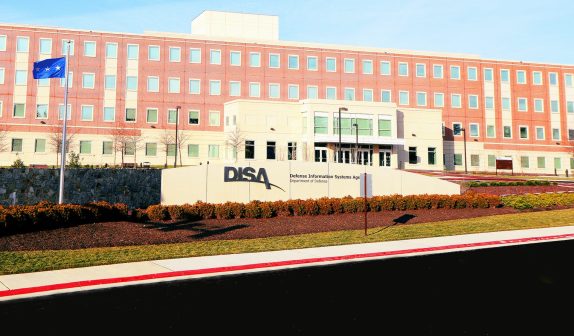
DISA to begin migrating combatant commands to unified IT network in 2028
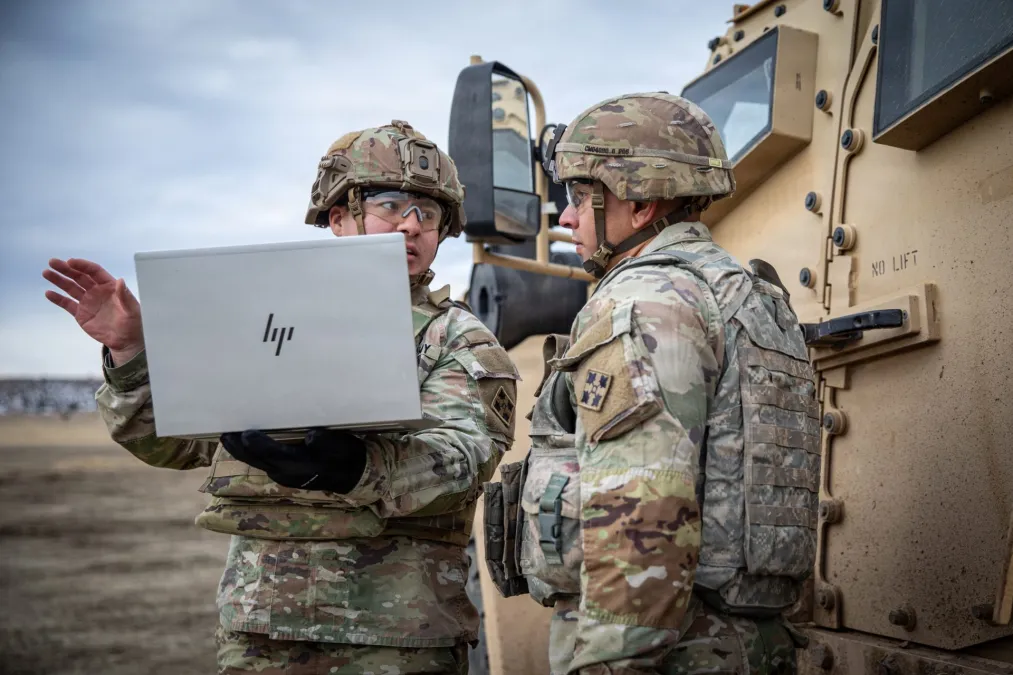
BALTIMORE — The Defense Information Systems Agency will start transferring combatant commands to a standardized and secure IT network — now known as CommandNet — in fiscal 2028.
Developed under the Mission Network-as-a-Service program, CommandNet aims to break down silos between disparate, geographically-isolated networks used by COCOMS and replace them with a single IT architecture. To prepare for future migrations, DISA plans to work with combatant commands throughout 2026 and incorporate lessons learned from its ongoing DODNet transformation, according to Kelli Garczynski, DISA’s deputy program manager for DODNet.
“What we’re looking at right now is this year, in finishing up the fiscal year, we’re just doing some very preliminary coordinations with the combatant commands — releasing some very high-level [request for informations] and gathering some data so that when we start in [fiscal 2027], we can start our discovery and planning and then full migrations in [fiscal 2028],” Garczynski said Wednesday during a panel at the annual AFCEA TechNet Cyber conference.
Under the Defense Department’s current architecture, each combatant command runs and operates its own unique IT infrastructure that segregates users by geographic location and makes collaboration across COCOMs inefficient.
To modernize, DISA will consolidate all of those networks into one enterprise CommandNet architecture — meaning personnel at any combatant command could have access to any network across the globe.
The network will also implement DISA’s zero-trust application known as Thunderdome and be supported by a federated identity, credential and access management (ICAM) capability to manage user identities and keep track of credentials.
CommandNet development will lean heavily on DISA’s ongoing work to migrate users to DODNet, Sharon McMillon, vice director of programs/J-6 at DISA, said during the panel. Like the concept for CommandNet, DODNet creates an enterprise, cloud-based IT infrastructure specifically for the Pentagon’s defense agencies and field activities (DAFAs).
“We have acknowledged that there are many disparate networks [and] many disparate systems operating in stovepipes,” McMillon noted. “Our vision for CommandNet tackles this directly by turning strategy into operational reality, and we know that we can extend our proven capabilities out into the warfighting edge by building on the successes that we’ve had to date with extending DODNet across the Fourth Estate.”
Rob Johnson, deputy chief engineer for DODNet, acknowledged during the panel that migration to CommandNet will be a challenging task, as each combatant command operates unique IT architectures and has its own missions and priorities.
The process of getting each COCOM on the same commodity network will likely require them to take on additional IT requirements that are needed for other commands — although that could lead to significant improvements overall, he noted.
“As we move into the combatant commands, that will also mean that we can take those different mission integrations that are inevitably going to come and make sure that we have as secure and reliable service as possible for those huge amounts of needs,” Johnson said.
He added that migrating to CommandNet will also allow DISA to take over commodity IT functions for all 11 COCOMs, meaning they will no longer have to focus on network management tasks.
“Now they can focus on the whole reason they exist and the whole reason that we need them to do their jobs,” Johnson said. “They can reprioritize their efforts into the mission side, and we will make sure that they function on the commodity IT side.”