Trump authorizes use of AI for defense supply chain mapping
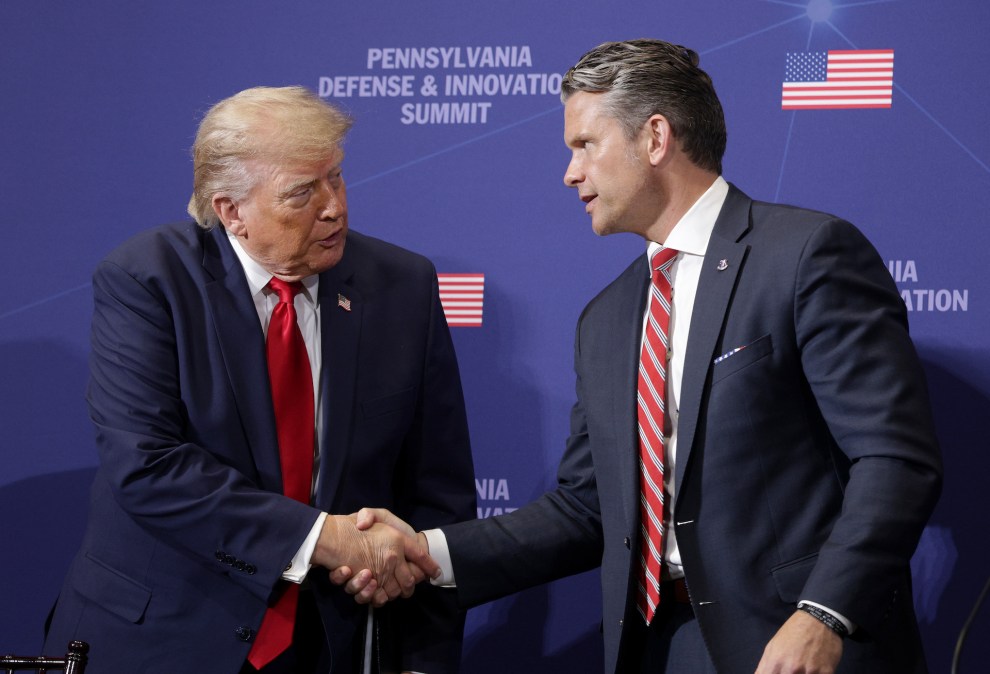
A new executive order issued by President Donald Trump this week authorizes the Pentagon to use artificial intelligence capabilities to map vulnerabilities in the department’s supply chains.
A key aim of the EO on “Securing America’s Defense Supply Chains and Ensuring Domestic Acquisition of Critical Materials” is to restrict the use of waivers for the acquisition of covered materials under 10 U.S.C. 4872.
“Despite the longstanding prohibition on the use of sensitive materials sourced from geopolitical adversaries, defense contractors have historically under-prioritized domestic production and resilience. My Administration will act to ensure that the statutory requirements of 10 U.S.C. 4872 are strictly observed and result in resilient domestic and allied supply chains,” Trump wrote in the directive.
He ordered Secretary of Defense Pete Hegseth to develop policy and implementation guidance within 180 days that would require all prime contractors and subcontractors to help “map and illuminate” critical supply chains for all acquisitions “that support, implicate, or relate to United States national security, as determined by the Secretary, from raw materials to the end use products such contractors deliver to the Department of War.” (Department of War is the Trump administration’s preferred name for the Department of Defense.)
Per the new guidance, military contractors will have to submit to the DOD a complete indentured bill of materials that traces all components, parts, equipment and software back to the origin of raw materials in their supply chains. They’ll also need to implement procedures for conducting risk assessments and “proactively” vetting suppliers and subcontractors, among other requirements.
The U.S. defense industrial base is enormous and reportedly includes hundreds of thousands of companies. Trump’s edict noted that the Pentagon may use AI to facilitate its supply chain mapping efforts.
“The Department of War shall, in response to the vulnerabilities, bottlenecks, and single points of failure identified by contractor acquisition information, map national security vulnerabilities as they relate to the sourcing of key raw materials or other links in the supply chain, using any tools and technologies to include artificial intelligence to assist in doing so. The Secretary shall account for identified vulnerabilities, bottlenecks, and single points of failure before issuing any waivers under 10 U.S.C. 4872(c)(1) or (e), consistent with the requirements of … this order,” Trump wrote in the edict.
The president also suggested that new software may be needed to facilitate the testing and qualification of new sources and materials for prime contractors and subcontractors. Within 90 days, the Pentagon chief has been directed to put forth a new strategy along those lines.
“As part of this strategy, the Secretary shall identify and begin steps to rescind any regulations that prevent rapid testing and qualification of sources and materials necessary for defense production,” Trump wrote.
He noted that the DOD should seek to prevent small businesses, non-traditional defense companies and new entrants to the defense sector from being “unduly burdened” by new regulations associated with the implementation of his EO.
According to the edict, contractors seeking waivers under 10 U.S.C. 4872(c)(1) or (e) may submit a formal mitigation plan for addressing vulnerabilities in their supply chains.
Trump suggested that vendors could face severe penalties for misbehavior.
If Pentagon leadership “determines a prime contractor or subcontractor has engaged in fraud or deliberately misled the Federal Government in any part of its mitigation plan, or otherwise knowingly or willfully failed to implement its mitigation plan on the terms set forth and approved by the Secretary or his designee in the mitigation plan, the Secretary shall take all actions and exercise all contractual remedies the Secretary deems appropriate, consistent with applicable law,” the president wrote, adding that the department “may additionally refer the matter to the Attorney General for investigation and possible prosecution as appropriate.”