Pentagon taps Northrop Grumman, True Anomaly for recon satellites that can monitor other space systems
Space Systems Command and the Defense Innovation Unit awarded prototype contracts to Northrop Grumman and True Anomaly to build next-generation reconnaissance satellites that can keep an eye on other objects in orbit.
The awards, announced Friday, will support the Geosynchronous High-Resolution Optical Space-Based Tactical Reconnaissance (GHOST-R) initiative, part of the Space Force’s RG-XX program. The service is keen on using commercial technologies for the project.
“We are leveraging rapid prototyping to push the envelope of what commercial tech can deliver to the RG-XX program,” Col. Bryon McClain, acting portfolio acquisition executive for space combat power, said in a statement. “This approach burns down technical risk, drives down lifecycle costs, and gets vital capability to the warfighter faster to ensure a more resilient architecture. Successful prototypes will have a direct path to transition into the program of record.”
Specifically, officials involved in the GHOST-R effort want to use commercially developed space vehicles, buses, and electro-optical payloads to deliver “high-resolution space-to-space imagery for characterizing resident space objects” in geostationary orbit, according to a joint DIU-SSC press release.
Press releases from the Defense Department and the selected vendors did not disclose the dollar value of the contract awards.
Northrop Grumman on Monday declined to disclose the value of the contract award, deferring to DIU.
The Pentagon, SSC and True Anomaly did not immediately respond Monday to queries about the dollar value of the contract awards.
The vendors’ platforms are expected to be launched in 2028 and transition to the Space Force for government-led operations by 2029.
The deals come as the U.S. military is concerned about potential threats to American space systems, including from adversary satellites and on-orbit congestion. The Pentagon wants to use the GHOST-R tech to keep a watchful eye on those types of platforms.
“Reconnaissance in geosynchronous orbit is critical to protecting U.S. and Allied systems and projecting combat power in the space domain. As agile, maneuverable adversary platforms become more capable, the reconnaissance architecture can no longer rely on a handful of exquisite assets. The advantage will go to the platforms with the endurance, flexibility, and agility to respond to the modern operational environment at a price that allows them to be fielded in numbers so U.S. forces can maneuver without regret,” Even Rogers, CEO and co-founder of True Anomaly, said in a company press release.
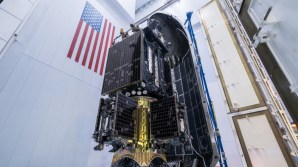
Under the deal, True Anomaly will be providing its Jackal platform, Mosaic command-and-control system, and “rendezvous and proximity operations” sensor suite.
“As more systems operate in GEO and maneuver with greater capability, the ability to pursue, approach, and characterize objects in that regime has become a prerequisite for defending what lives there,” per the company’s press release.
“Jackal is a highly maneuverable autonomous orbital vehicle purpose-built for space-to-space engagements. A single vehicle is designed to surveil dozens of satellites, investigate anomalies on friendly assets, and maintain custody of high-value targets across multi-year missions,” according to the release.
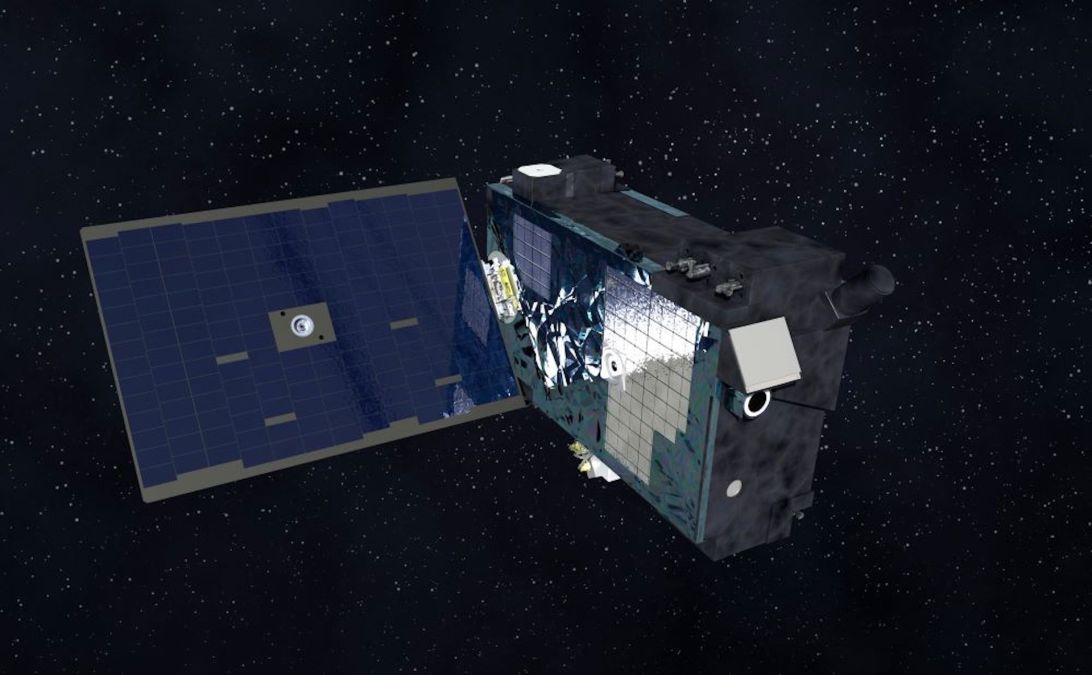
Meanwhile, Northrop Grumman plans to deliver the company’s ESPASat-L satellite — which the contractor says is the size of a “small suitcase” — and incorporate optical payloads provided by TRL11, a maker of video solutions for space.
In a press release, Northrop said its GHOST-R agreement falls under DIU’s “kill web” portfolio.
As DefenseScoop previously reported, DIU’s so-called kill web portfolio emerged as part of a recent reorganization initiative by the unit’s director, Owen West. It includes technologies related to space, networks, sensors, and broader C5ISRT (command, control, communications, computers, cyber, intelligence, surveillance, reconnaissance and targeting) capabilities.
“Space is becoming more congested and contested every day, and our joint forces depend on clear, timely insight into what’s happening on orbit. By rapidly fielding this [GHOST-R] prototype, we’re pushing innovation to new heights to strengthen the nation’s ability to detect, understand and anticipate activity in geosynchronous orbit so we can better protect critical space assets and keep the joint force operating with confidence,” Ryan Tintner, vice president and general manager for Northrop Grumman’s space superiority business, said in a statement.