Space Force brings 14 vendors into $1.8B next-gen space domain awareness program
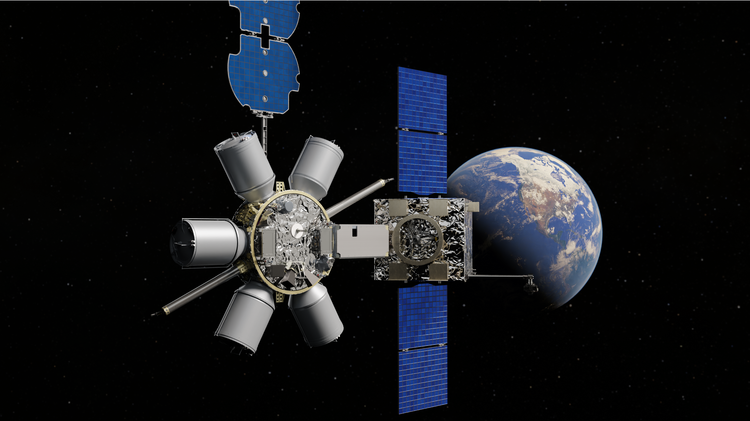
The Space Force has named 14 companies eligible to compete under a 10-year, $1.8 billion contract vehicle designed to modernize the service’s ability to keep tabs on objects in space.
The program, known as Andromeda, aims to acquire and field next-generation space domain awareness capabilities and supporting systems that can track, identify and analyze other platforms on orbit, the Defense Department announced Wednesday.
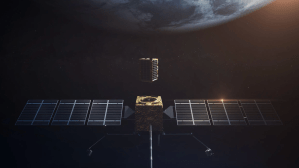
The first Andromeda task order will fund satellites for the RG-XX program, according to a solicitation posted by Space Systems Command in January. The birds are slated to replace the Space Force’s Geosynchronous Space Situational Awareness Program (GSSAP) constellation — comprising a small number of exquisite satellites stationed in geosynchronous Earth orbit.
RG-XX marks a shift in the service’s acquisition strategy for major development efforts. Under Andromeda, the Space Force will have more flexible acquisition authorities and be able to buy capabilities from multiple vendors — including some commercial space companies — to build the constellation.
Officials also want the RG-XX satellites to be more maneuverable than the current GSSAP fleet. The constellation will be the Space Force’s first next-generation capability that has a requirement for on-orbit refueling, which will improve the service’s ability to move the birds closer to adversary systems.
According to the Pentagon’s announcement, the Space Force received 32 bids for the Andromeda contract vehicle. The 14 vendors selected represent a mix of traditional prime contractors and commercial newcomers.
The chosen vendors are Anduril Industries; Astranis Space Technologies; BAE Systems; General Atomics; Intuitive Machines; L3Harris Technologies; Lockheed Martin; Millennium Space Systems; Northrop Grumman Systems; Quantum Space; Redwire; Sierra Space; True Anomaly; and Turion Space.