Space Force establishes $981M contract vehicle to develop testing, training infrastructure
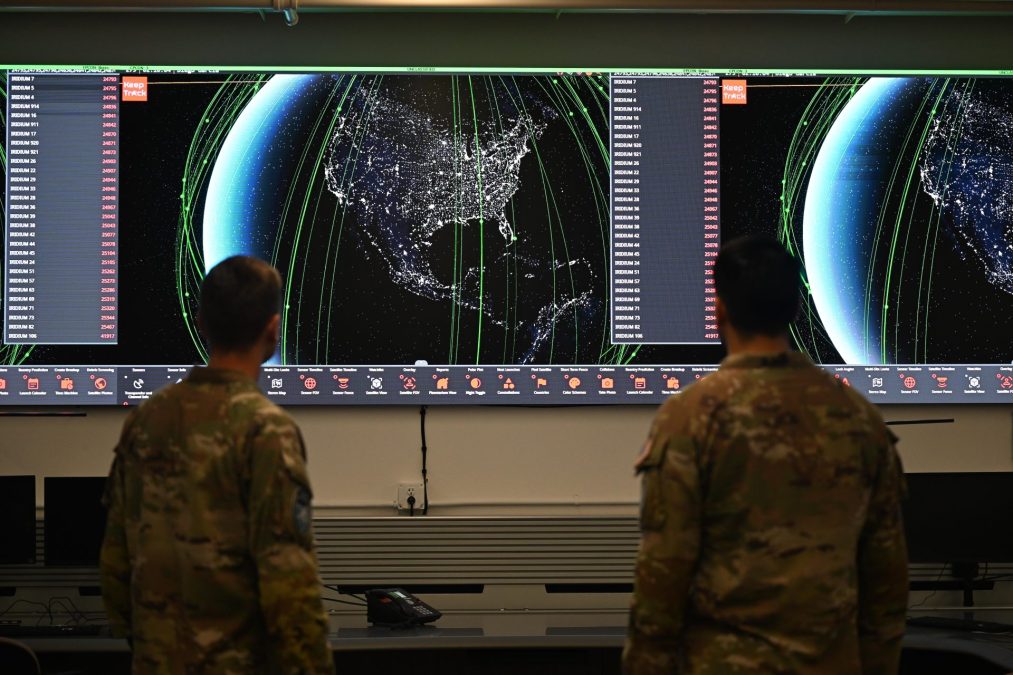
The Space Force has established a pool of 15 companies to build out a complex, digital environment for testing new systems and training guardians, the service announced Friday.
The National Space Test and Training Complex (NSTTC) Innovative Technology & Engineering – Space Test and Range (NITE-STAR) is a new contract vehicle designed specifically to accelerate the service’s development of modernized test and training capabilities. The indefinite-delivery/indefinite-quantity deal has a value of up to $981 million and includes two five-year periods, according to the Space Force.
The 15 companies in the vendor pool are Amentum Technology, BAE Systems, CACI, Firefly Aerospace, L3Harris, Lockheed Martin, Northrop Grumman, Pacific Crest Alliance, Parsons, Redwire Space Missions, Rocket Lab, Sierra Space, Boeing, Viasat and York Space Systems.
The NITE-STAR contract vehicle is the latest effort to develop a flagship Operational Test and Training Infrastructure (OTTI) — considered one of the Space Force’s top priorities since the service was created in 2019.
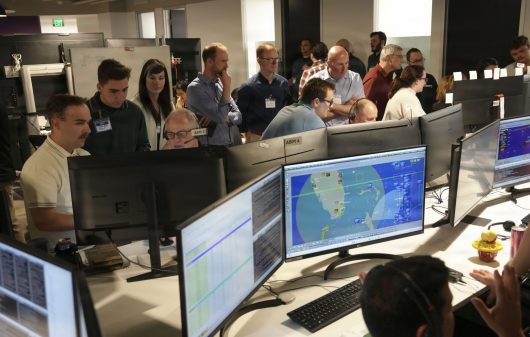
The program is overseen by Space Systems Command’s System Delta 81 and seeks to combine digital, cyber and live test and training ranges connected under a single system.
“This effort sets the foundation for rapidly advancing and integrating the test and training tools needed to effectively train Space Force Guardians,” Col. Craig Hackbarth, OTTI system program director, said in a statement. “As a centralized IDIQ, the NITE-STAR Capability Development will be available to the entire OTTI enterprise, accelerating the development of test and training capabilities across the architecture.”
Delivering the capability from scratch has been a challenge, however, as the Space Force has only had a few years to do so. In 2025, the service divided OTTI into two paths. One is focused on distributed training capabilities, while a second focuses on developing a high-fidelity, realistic simulation environment similar to the Air Force and Navy’s Joint Simulation Environment (JSE) used to train pilots.
According to the Space Force, the NITE-STAR contract vehicle will give the service flexibility to quickly purchase new capabilities as test and training requirements evolve. The effort will look to advance the systems and technologies needed to ensure guardians are prepared for complex warfare in the future, the service said in a press release.