Marine Corps continues pathway for troops to switch their MOS and become drone operators
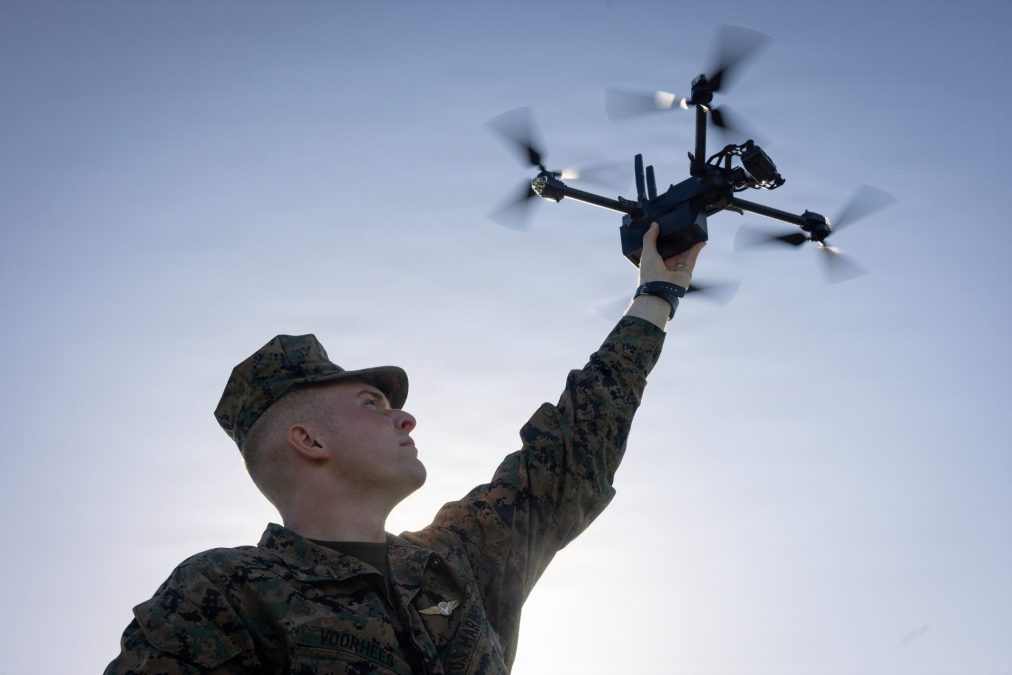
The Marine Corps is continuing to build its small unmanned aircraft system operator roster as it ramps up drone implementation across the force, according to a service message and official.
The Corps published its annual enlisted retention campaign on Thursday which outlines several efforts the service uses to help keep Marines in the force. For the second year in a row, it listed sUAS operators as a critical role that troops can transfer into from other military occupational specialties.
Over the last year, the amphibious service has expanded its drone efforts through procurement, training, experimentation and testing in hopes of making unmanned systems ubiquitous across the fleet.
The Marine Corps’ requirement for sUAS operators “continues to grow over the next five years, thus there is a need to attract existing talent from other PMOS to meet this growth,” Yvonne Carlock, a spokesperson for the service’s Manpower and Reserve Affairs division, told DefenseScoop on Thursday.
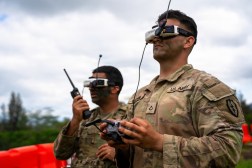
Meanwhile, the service is nearing one year of dedicated testing and implementation of first-person-view drones through the Marine Corps Attack Drone Team, a specialized unit established in January in response to the rapid proliferation of small, cheap UAS — particularly amid the Russia-Ukraine war.
The team is responsible for developing FPV drone tactics for the Corps while facing off against other services in competitions meant to test new tech and allow for participating troops to share ideas about drone warfare.
USNI reported in June that various Corps schools are getting Group 1 drones into the hands of Marines and small-unit leaders so they can learn how to use them in every-day missions.
In July, Secretary of Defense Pete Hegseth issued a memo prioritizing “drone dominance,” charging the military to boost drone manufacturing, procure new technology and cut red tape when it comes to training — issues the services continue to contend with. Last week, the Pentagon announced it was pushing industry to make more than 300,000 small UAS in the next couple years.
The Corps’ enlistment retention program also lists several other jobs as eligible for transfers, such as information specialists and counterintelligence Marines. The program begins Jan. 1, 2026. Service members with contracts that end between Oct. 1, 2026 and Sept. 30, 2027 can apply to transfer into those jobs, though bonus incentives have not been released yet.
“Providing this opportunity early in the retention campaign provides Marines decision space to evaluate their reenlistment opportunities and assess their eligibility,” Carlock said of the lateral move option.
They can also submit for reenlistment through other avenues like the Commandant’s Retention Program, which is meant to help keep high-achieving Marines in the service by streamlining the process. Details about that program are “anticipated to be released in the coming weeks,” Carlock said.