Pentagon’s AARO quietly held an invite-only workshop to help shape the future of UAP research
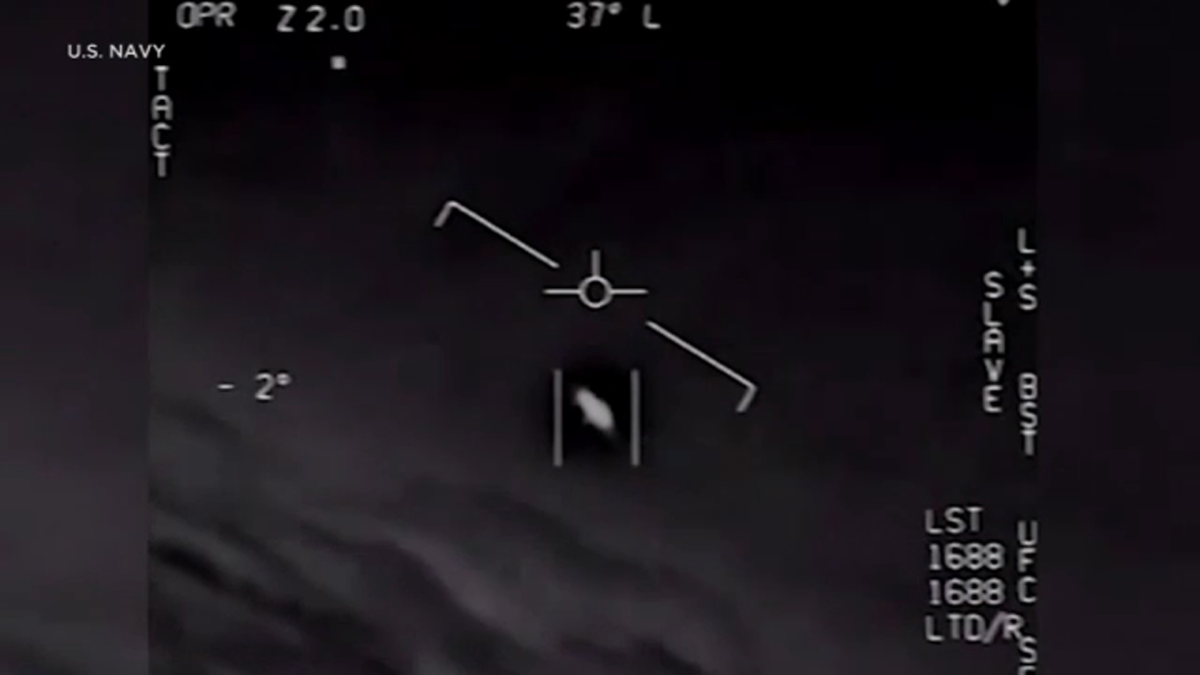
Approximately 40 government, academic, and independent researchers met at a private workshop last year to standardize processes for capturing, sharing and studying narrative data on unidentified anomalous phenomena (UAP), which is the modern term for UFOs that accounts for maritime and transmedium objects.
The Pentagon’s All-domain Anomaly Resolution Office (AARO) set up and sponsored the invite-only event. It was officially hosted by Associated Universities, Inc. (AUI) in the Washington, D.C. area in early August.
The 2025 workshop marked a notable step in the U.S. government’s efforts to prioritize a more interactive ecosystem for high-stakes UAP research, and the Defense Department is eyeing more engagements like it down the line.
“Recognizing that input from the scientific and academic community is critical to its work, AARO hopes to convene future workshops and collaborative opportunities, as needed, to foster an interdisciplinary community for UAP analysis,” Pentagon spokesperson Sue Gough told DefenseScoop on Monday.
Contemporary UAP reports are difficult to integrate and analyze, as they stem from diverse sources — like military and pilot logs, archival records, civilian testimony and social media — that are typically inconsistent in metadata, format and terminology.
In a whitepaper published online by AARO last month, officials wrote that the “workshop centered on the collection, organization, and interpretation of UAP reports, with attention to the challenges and opportunities of working with narrative data.”
Participant privacy was a prime consideration and DOD did not publish a full list of those who went or information about the meet-up ahead of time. Attendees had to cover their own travel costs to get to the workshop, but lodging expenses and most meals were paid for by the office.
“We expect this to be a groundbreaking workshop and meaningful gathering of minds that will help to shape the future of UAP research,” AARO’s invitation letter to select candidates read.
Casual networking opportunities, more formal presentations and panel discussions, and prompt-based breakout sessions unfolded over the two-day event.
The agenda and activities were designed to help participants explore best practices for collecting and storing narrative data associated with UAP sightings, and determine methods to integrate that data from disparate organizations and apply AI to large-scale datasets for pattern recognition and other purposes.
According to AARO’s 17-page whitepaper, the workshop sparked multiple “cross-cutting findings.”
“First, effective progress requires clear standards and common reporting templates, with robust metadata capturing time, location, provenance, morphology, and contextual details. Second, linking across datasets — military and civilian, to include archival, environmental, and technical — must balance interoperability with privacy, ethical, and classification constraints. Third, credibility is best assessed through corroboration, but for efficiency there is a need for automated methods to filter reports and surface the most promising for investigation,” officials wrote. “Fourth, AI and machine learning tools offer capacity for transcription, triage, clustering, and semantic search, but they must be deployed cautiously to avoid hallucination, bias, and amplification of hoaxes. Human oversight and iterative workflows remain essential. Finally, the workshop underscored the importance of community engagement and trust-building, encouraging the scientific community to cultivate a sustainable ‘community of practice’ for UAP research with further work and convenings.”
Collectively, those results and recommendations point toward a multi-disciplinary approach to UAP narrative data that AARO suggested “may influence how and where technical sensors are deployed.”
The office is responsible for deploying a new sensor suite to help the military detect and track UAP in the field.
Gough told DefenseScoop on Monday that AARO did not have additional workshops or plans to announce.