Marines start integrating FPV drones into training for new infantry officers
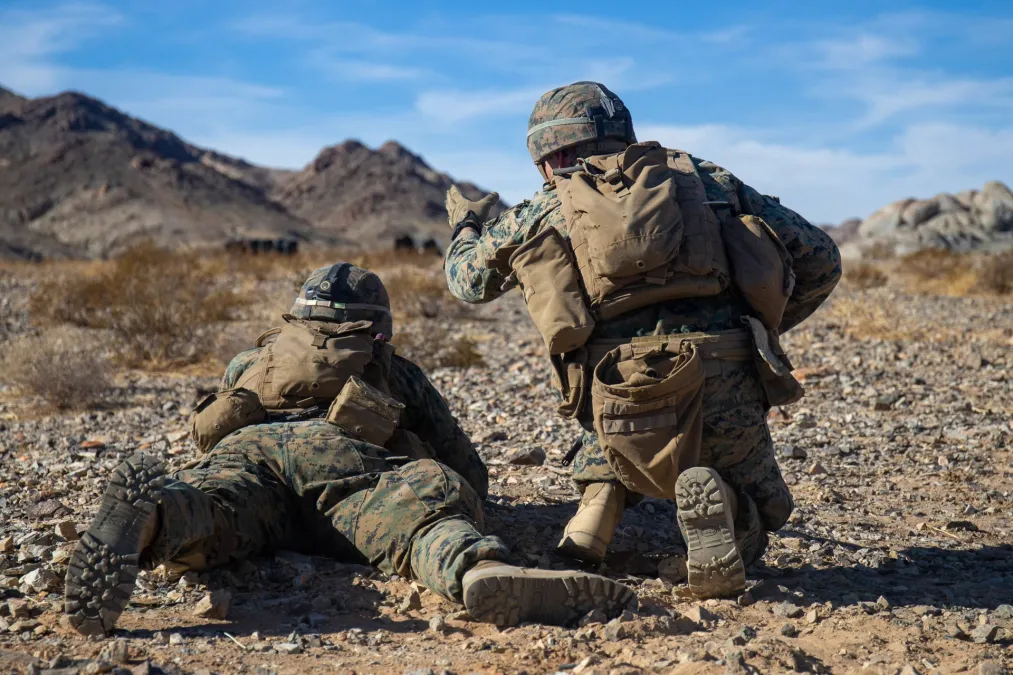
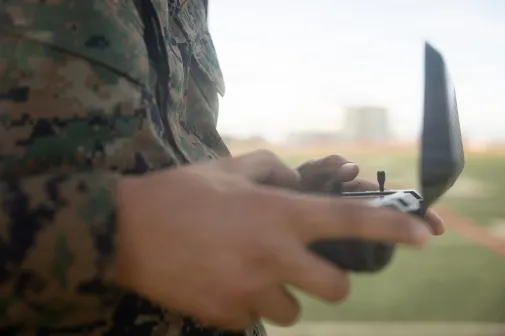
As part of its ambitious push to get unmanned systems into the hands of its troops, the Marine Corps recently integrated drone familiarization into its foundational school for new infantry officers, service officials told reporters Wednesday.
The Infantry Officer Course (IOC) — based out of Quantico, Virginia — puts new infantry leaders through 15 weeks of training on crew-served weapons, patrols, reconnaissance and other job-specific skills to prepare them for being a platoon commander.
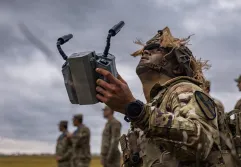
In December, new infantry lieutenants used first-person view attack drones as part of a culminating exercise for the course at Twentynine Palms, California, according to Col. Scott Cuomo, the Weapons Training Battalion commander out of Quantico and lead on the Corps’ FPV drone efforts.
“Imagine 80 lieutenants with their captains and their gunners saying ‘this is how you integrate this training,’” Cuomo said of the California exercise. “‘If you guys are going to graduate in two weeks — when you call into range control as the officer in charge — from henceforth, you’re respons[ible] for understanding how this capability employs.’”
The Corps began its FPV drone push in earnest just over a year ago, and service officials and drone experts alike had deep concerns about how unit-level leaders were going to effectively employ them in training.
Service officials said they have worked through significant issues, including through the creation of a small UAS manual. And the use of unmanned systems in IOC also comes as the Corps is dramatically expanding its FPV drone training. Part of that includes building a generation of infantry officers that are — for now – at least familiar with how to employ them at their units.
Maj. PJ Burns, head of the Marine Corps’ Training and Education Capabilities Branch, told reporters the service has been “heavily starting to integrate” FPV drones into the IOC “to get all those new infantry-type officers at least initial exposure into how these things work [and] get them to start thinking about it from the early days of actually becoming an officer.”
Late last month, the Marine Corps announced a standard training program for FPV drones as it aims to certify hundreds of troops on small unmanned aerial systems over the next several months, DefenseScoop previously reported.
Seven units were selected as “regional training hubs” to start implementing this program, the Pentagon said, as the Marine Corps looks to buy thousands of platforms over the next year.
Cuomo told reporters that the Corps has certified 32 attack drone operators and 18 payload specialists responsible for loading explosives onto the systems. He expects those numbers to more than double by the end of the month.
The Corps said that it established six drone pilot courses, which will train Marines on how to fly and load ordnance onto FPV platforms. They also included a drone instructor course and a leader course, which aims to build a stable of Marines who can train other troops on how to employ these systems.
Burns told reporters that the drone leader course is intended to give Marines who don’t yet understand “how to employ this in a concept of operation or within their scheme of maneuver” a “crash course” on FPV use.
“‘What do I need to think about? Do I need to think about spectrum, I need to think about different types of enemy jamming capabilities?” Burns said of some of the questions this course hopes to address. “All of those things are going to [be] taught in this attack drone leader course,” he said, adding that now “at least there’s a baseline for them to understand and go back to” with the instruction.