U.S. Southern Command gets new commander amid tensions over drug boat strikes, Venezuela and Cuba
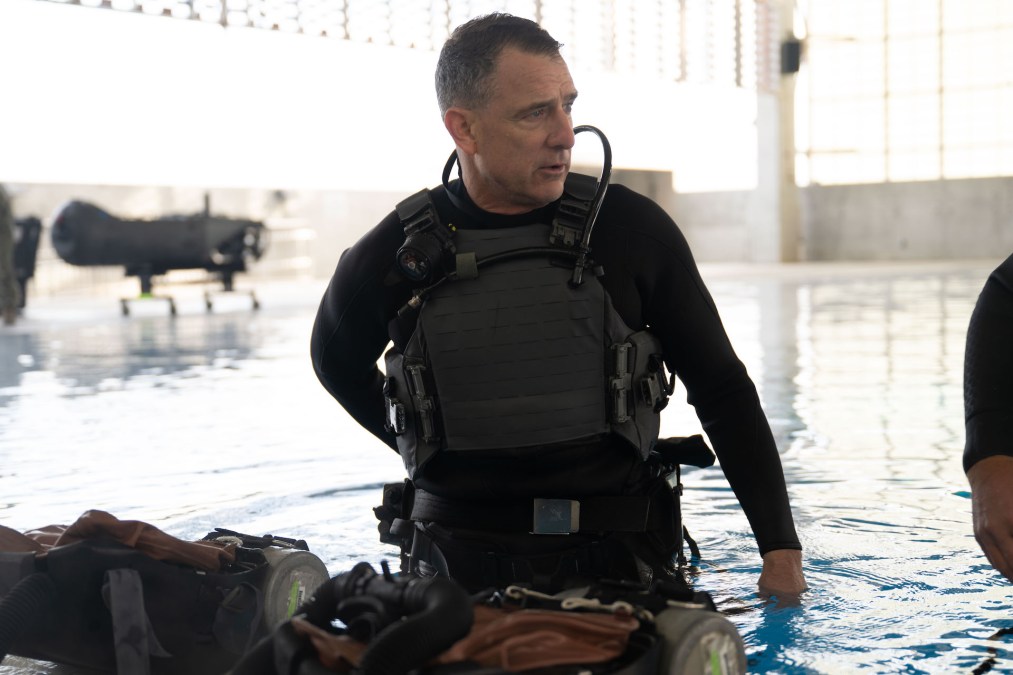
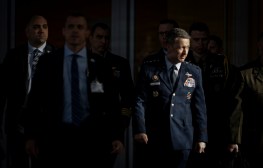
The Senate on Friday evening confirmed Marine Lt. Gen. Francis Donovan as four-star general and commander of U.S. Southern Command.
Donovan was picked for the position by President Donald Trump last month in the wake of former Southcom boss Adm. Alvin Holsey’s abrupt announcement that he was retiring early. The New York Times reported that the admiral had early concerns about the administration’s push to bomb alleged drug boats and fell out of favor with Secretary of Defense Pete Hegseth. Air Force Lt. Gen. Evan Pettus served as acting commander of Southcom after Holsey’s departure.
Donovan’s confirmation was approved by voice vote.
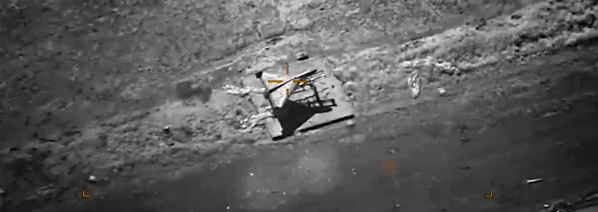
Southcom recently oversaw the mission to capture Venezuelan leader Nicolas Maduro during Operation Absolute Resolve, and has been involved in airstrikes carried out during the Trump administration’s ongoing campaign against alleged drug boats in the Western Hemisphere.
Donovan has been serving as vice commander of U.S. Special Operations Command, which has played a role in strikes on alleged narco-traffickers. American commandos also featured prominently in Absolute Resolve.
“An infantry, reconnaissance, and special operations officer … Donovan has led Marines and Sailors in all three Marine Expeditionary Forces to include commanding a Force Reconnaissance Platoon, Battalion Landing Team, Marine Expeditionary Unit, Marine Expeditionary Brigade, and a Marine Division. He also commanded a Naval Task Force in 5th Fleet (CTF 51) and 6th Fleet (CTF 61). He has served in combat, contingency, and expeditionary operations at sea, from the sea, and ashore,” according to his biography published on a SOCOM website.
Other command assignments include a Marine Corps Security Forces Detachment in Crete, Greece, and a Fleet Anti-Terrorism Security Team (FAST) platoon. He also served as officer in charge of a Special Operations Training Group; executive officer for Marine Corps Special Operations Command, Detachment One and director of the Expeditionary Warfare School, per his bio, which noted that his joint tours include J35 at SOCOM; branch chief for the Joint Staff, J-5 Trans-regional Threats Coordination Center; and assisting commanding general at Joint Special Operations Command.
Southcom, which during prior administrations received less focus than other CoComs, has gained prominence during Trump’s second term under Hegseth’s leadership at the Pentagon.
In the past, Southern Command and its area of responsibility “have been chronically under-resourced and underfunded. Clearly, that is changing, which presents both challenges and opportunities,” Donovan wrote in his responses to advance policy questions from senators ahead of his confirmation hearing. “If confirmed, I expect to confront challenges related to capacity, operational tempo, and organizational structure.”
The White House’s new National Security Strategy (NSS) and the Pentagon’s new National Defense Strategy (NDS) both prioritize homeland defense and the Western Hemisphere.
“The pace of operations and the priority missions in the NSS present an opportunity to optimize the SOUTHCOM headquarters staff and subordinate commands for warfighting. I commit to working with Congress to identify any obstacles to the Command’s effectiveness and operational agility, including outdated authorities or legacy requirements that have not kept pace with mission needs or NSS expectations,” Donovan wrote.
Lawmakers asked Donovan about the Southcom commander’s role in determining which alleged drug trafficking vessels will be targeted for lethal strikes versus targeted for interdiction.
“While not briefed on these specific strikes, I do understand the role of the commander and the decision to execute a kinetic strike is deliberate and precise, based on comprehensive intelligence and established processes governing targeting and the application of capability,” he replied.
“If confirmed, I would ensure that any measure of effectiveness of counternarcotics efforts, to include lethal strikes, is assessed against clear, established objectives with measurable outcomes,” he wrote, adding that he intended to assess the strategy against illicit drug traffickers and “evaluate the reflections and intelligence regarding lethal strikes.”
Meanwhile, U.S.-Cuba tensions are growing in the wake of the Maduro raid — which involved the killing of Cuban military personnel who were stationed in Venezuela — and Trump’s executive order issued this week that aims to deter oil deliveries to Cuba. In the EO, Trump wrote that Cuba “constitutes an unusual and extraordinary threat … to the national security and foreign policy of the United States.”
Lawmakers asked Donovan about Chinese and Russian cooperation with Cuba.
“Cuba’s collaboration with China and Russia is a significant foreign intelligence threat that requires our continued attention and efforts to counter. Cuba’s proximity to the United States and the Caribbean makes it a prime location from which China or Russia can collect signals intelligence on the United States and the region. If confirmed, I will further assess our forces and efforts to ensure we are properly postured to mitigate the threats,” Donovan wrote in response to senators’ advance policy questions.