Marine Corps activates first unmanned maintenance squadron to repair its own MQ-9A Reaper drones
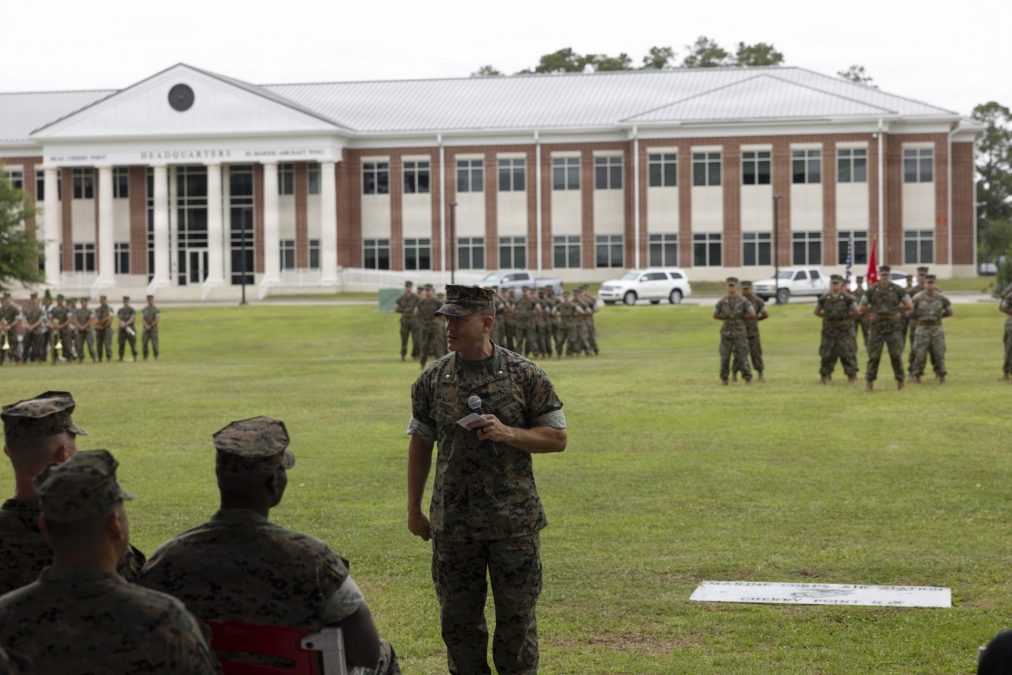
The Marine Corps activated its first unmanned systems maintenance unit Tuesday, a move officials said gives an East Coast aviation wing an organic entity capable of repairing its own large drones.
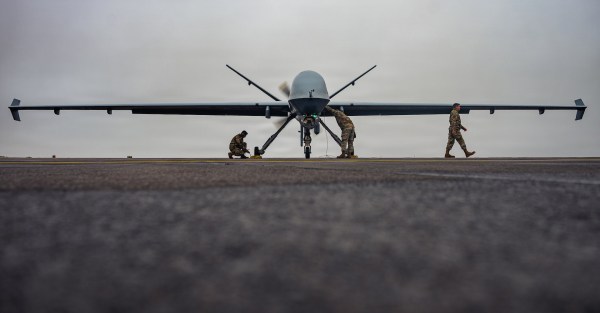
Marine Unmanned Maintenance Squadron 14 (MUMS-14) is a “first of its kind” for the Corps, according to a press release this week. It will serve as the primary sustainer for the service’s fleet of MQ-9A Reaper drones aboard Marine Corps Air Station Cherry Point, North Carolina.
The unit will consist of roughly 300 Marines and sailors, a spokesperson for 2nd Marine Aircraft Wing, for which MUMS-14 is part of, told DefenseScoop on Wednesday. Most of those troops are unmanned aerial vehicle technicians, mechanics and ground control station maintainers.
“Standing up this squadron marks a major step forward for Marine Corps aviation,” Lt. Col. Jeffrey F. Carben, commanding officer of MUMS-14, said in the Tuesday press release. “Our unit ensures the Marine Corps will maintain a persistent, reliable, and expeditionary capability – one that directly strengthens deterrence and supports Marines operating forward.”
The service has continued to invest in the Reaper, considered within the largest cohort of unmanned aerial systems by the military, after divesting from a smaller drone several years ago. In its latest aviation plan, the Corps said the Reaper is a key sensing asset for its air-ground task forces in the Pacific theater.
Prior to the activation of MUMS-14, forward-deployed Marine Reaper detachments predominantly relied on contracted logistics support for maintenance, said Maj. Joe Leinter, the spokesperson for 2nd MAW.
The new unit comes amid a bipartisan effort in Congress to give troops the right to repair their own equipment without having to rely on expensive contractor support to do so.
Sens. Elizabeth Warren, D-Mass., and Tim Sheehy, R-Mont., who have lambasted defense contractors for hoarding intellectual property and squeezing the military for fixes, announced in a joint statement earlier this week that their right to repair provision was included in the Senate Armed Services Committee’s version of the 2027 National Defense Authorization Act.
Senior military officials have expressed strong support for the effort, and services have already made moves to wrangle disparate systems that historically relied on expensive contractor support to fix.
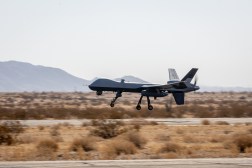
The MQ-9A Reaper is used for intelligence collection and targeting. It can fly for over 27 hours at up to 50,000 feet, according to General Atomics Aeronautical Systems, its developer. In April, CBS News reported that the U.S. had lost two dozen Reapers during the Iran War.
Marine Unmanned Aerial Vehicle Training Squadron 2 (VMUT-2), the epicenter of the Corps’ transition to the Reaper at Cherry Point, graduated the first batch of pilots and sensor operators last year. The graduation marked the first time the Corps trained its own personnel on the system, having previously relied on the Air Force to do so.
But the Marine Corps 2026 Aviation Plan also emphasized the importance of having units to “secure long-term, organic readiness” for its Reaper fleet. MUMS-14 helps fulfill that role, officials said.
“It takes disciplined, technically skilled Marines to keep these systems flying,” Carben said. “This squadron will help ensure Marines forward have the persistent eyes, ears and reach they need to compete to win.”