Centcom creates first ‘multinational’ attack drone task force after months of war with Iran
With the Iran war in its sixth month and unmanned systems having played a defining role in the conflict, U.S. Central Command said Thursday it was launching a new drone task force.
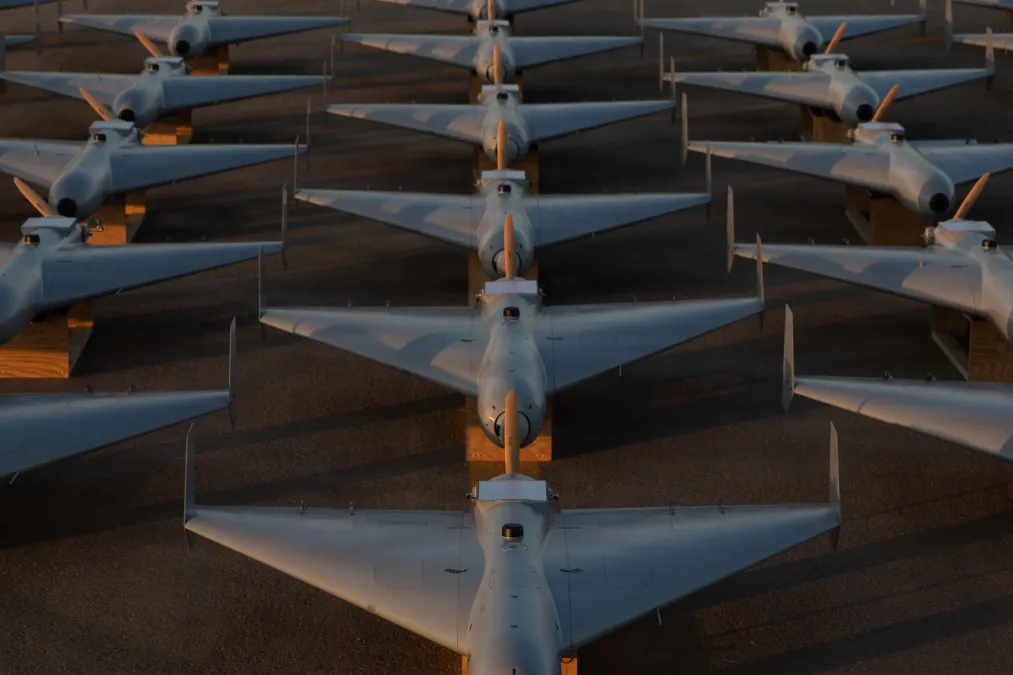
Task Force Falcon Strike will use air, surface and sub-sea one-way attack drones alongside regional partners, ones the command said it was still in the process of “consulting and officially inviting” to the new “first-ever multinational” unit of its kind, according to a press release.
The announcement comes months after Centcom launched Task Force Scorpion Strike, a separate drone squadron known for its use of the Low-cost Unmanned Combat Attack System (LUCAS), which the U.S. reverse-engineered from an Iranian UAS.
“Task Force Falcon Strike will expand on Scorpion Strike’s success given the tremendous innovation happening among our regional allies and partners,” Adm. Brad Cooper, the Centcom commander overseeing U.S. military operations in the Middle East, said in the press release. “Integrating and deploying our new capabilities together will help us rapidly realize the new possibilities that are on the horizon.”
While Cooper touted the task force as a boon for regional security, Centcom declined to say whether any other countries had joined the unit, even informally, or which nations it expects to participate.
“As regional partners formally join, Task Force Falcon Strike will scale attack drone capabilities across the Middle East into a unified multi-domain, multinational deterrent,” officials wrote in the press release. U.S. Special Operations Command Central (SOCCENT) will lead Falcon Strike.
The American military has rushed to build a stable of unmanned systems and drone countermeasures as the Iran war drains expensive U.S. munition stockpiles, putting in stark relief the imbalance between using costly weapons against cheap, mass-produceable systems.
Iran has launched thousands of drones during the war. While the U.S. and Gulf have reported high intercept rates, multiple strikes have evaded those defenses, killing and injuring U.S. troops. At least 18 American service members have died during the conflict, more than half from drones or missiles, and hundreds have been injured.
The on-again, off-again conflict has yielded several unmanned firsts for the U.S. military.
Task Force Scorpion Strike first test-launched the LUCAS from the USS Santa Barbara, a littoral combat ship, while it was afloat in the Arabian Gulf last year. The one-way attack drone then made its combat debut in the initial wave of strikes against Iran in late February, Centcom said.
A few weeks later, the Pentagon’s top technology officer told DefenseScoop the military had only produced “dozens” of the LUCAS drones at the time.
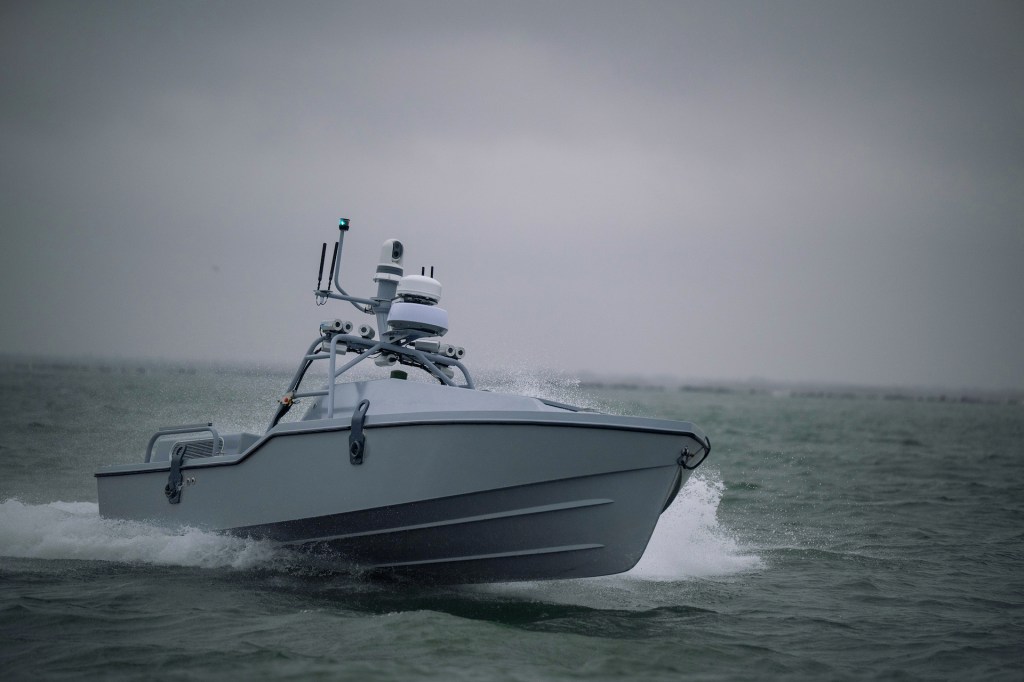
Centcom said in June it deployed an unmanned surface vessel known as the Corsair to recover two stranded soldiers in the Strait of Hormuz after Iran shot down their AH-64 Apache helicopter, marking the U.S. military’s first known use of a maritime drone in a real-world rescue operation.
A month later, Task Force Scorpion Strike launched three Corsair drones at Iran’s Bandar Abbas Naval Base, another first, Centcom said.
“The United States military has a lot of strong partnerships and friends in the region,” Cooper said in the release. “We are collectively stronger when we integrate and deploy new capabilities together.”