A first, the Navy launches one-way-attack drone from a ship at sea
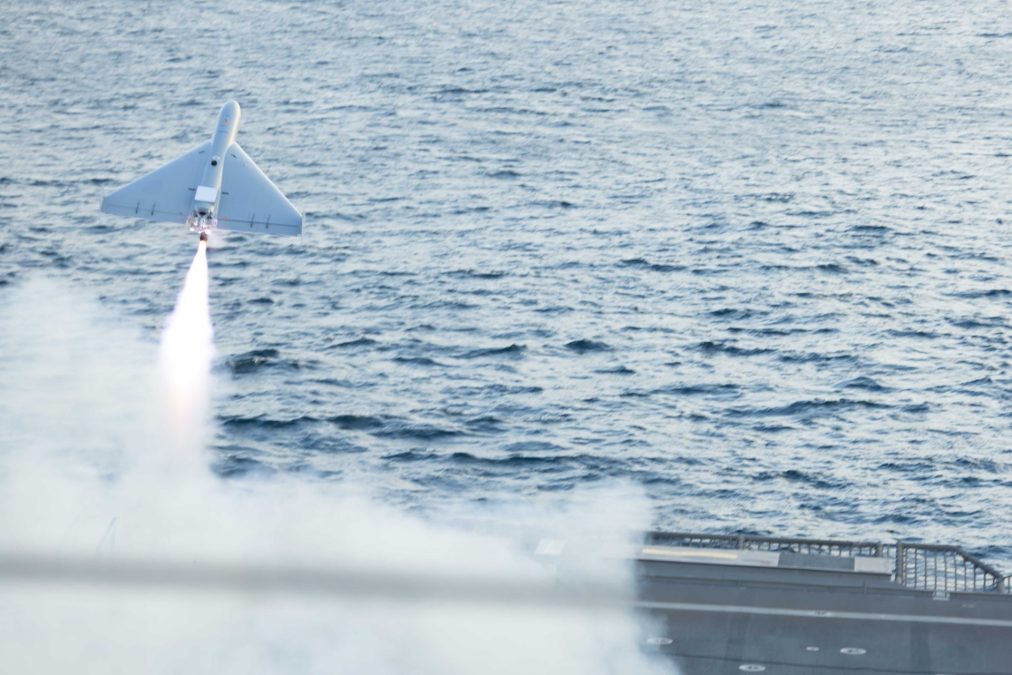
The Navy launched a one-way attack drone from a ship in the Middle East for the first time on Tuesday, according to the service.
The USS Santa Barbara, a littoral combat ship, launched a Low-cost Unmanned Combat Attack System, or LUCAS off its flight deck while afloat in the Arabian Gulf, marking its first launch from a ship at sea.
Earlier this month, U.S. Central Command announced the establishment of a new unit known as Task Force Scorpion Strike, a one-way-attack drone squadron meant to “deliver low cost and effective drone capabilities” to service members, according to a military press release. As part of TFSS, Task Force 59 launched and operated the LUCAS weapon this week.
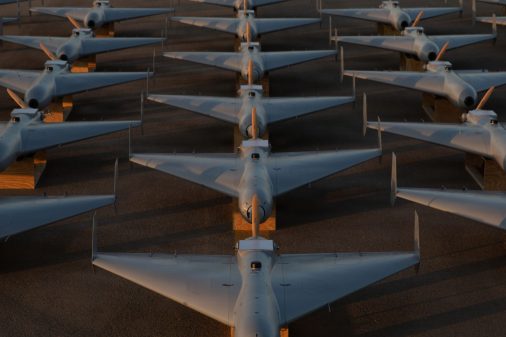
ABC News reported that the LUCAS platforms Centcom was using are reverse-engineered from Iranian Shahed-136 drones, versions of which have been zipping across skies amid the Russia-Ukraine war.
“This first successful launch of LUCAS from a naval vessel marks a significant milestone in rapidly delivering affordable and effective unmanned capabilities to the warfighter,” said Vice Adm. Curt Renshaw, commander of U.S. Naval Forces Central Command and 5th Fleet, according to a press release.
The release said that LUCAS offers an “extensive range” and can be launched from catapults, ground vehicles and via rocket-assisted takeoff.
“This platform will undoubtedly enhance regional maritime security and deterrence,” Renshaw said.