Air Force shifts sixth-gen tanker strategy to prioritize mission systems over new aircraft
The Air Force is once again pivoting its strategy to develop a sixth-generation tanker platform and will focus immediate efforts on developing supporting mission systems rather than a new aircraft.
The service wants to move funds from the Next Generation Air-refueling System (NGAS) program in fiscal 2027 and allocate them towards a new effort known as Advanced Tanker Systems (ATS), Maj. Gen. Frank Verdugo, Air Force deputy assistant secretary for budget, said Tuesday.
The ATS program is “looking to offer more options than just NGAS, and to make sure that our future advanced tanker systems are more resilient and can operate in a contested environment,” Verdugo told reporters during a media briefing on the Department of the Air Force’s latest budget request.
According to FY27 budget documents published by the Pentagon on April 4, the Air Force is requesting $13 million in research-and-development funds for the new ATS program. In fiscal 2026, the service received $11.9 million towards NGAS.
The Air Force isn’t completely abandoning its plans to develop a bespoke sixth-generation tanker, according to a DAF spokesperson. Rather, the service wants to nail down the specific mission systems — such as connectivity, electronic warfare or defensive capabilities — that will be needed broadly for future refueling missions.
“They’re continuing to look at [NGAS] for the future,” the spokesperson told DefenseScoop. “But while they continue [with] what does this look like, [they’re] moving ahead with the mission systems that need to go on it.”
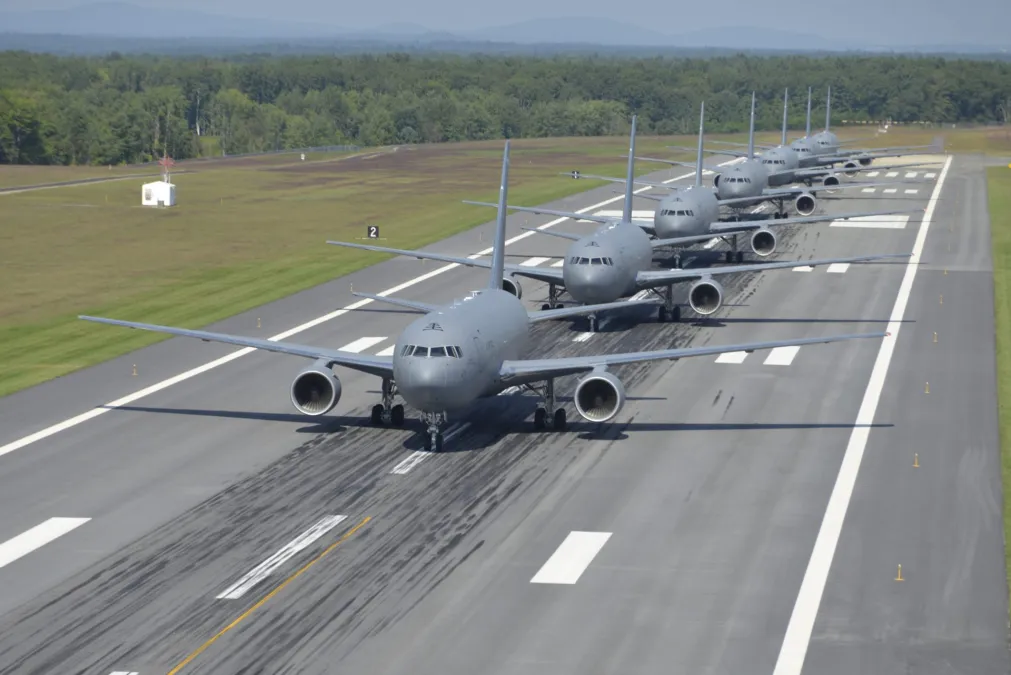
The Air Force’s sixth-generation tanker strategy has changed multiple times in the last few years. The service initially sought to develop a brand-new aircraft that was low-observable and more survivable than the KC-135 Stratotanker and the KC-46 Pegasus fleets.
Service officials have repeatedly stressed the importance of developing a next-gen tanker that could refuel other aircraft from deep inside contested environments. However, a combination of budget constraints and health of the service’s current tankers have created uncertainty for the future of NGAS.
The Air Force is currently conducting an analysis of alternatives for NGAS that is considering every option available — including airframe designs, propulsion and mission systems. The AOA has also looked into different off-board capabilities that could protect the tankers, as well as the benefits to purchasing additional KC-46s in the interim.
Lt. Gen. Rebecca Sonkiss, acting commander of Air Mobility Command, told reporters in February that NGAS could be even fielded as a “family of systems” comprising multiple manned and unmanned aircraft of different sizes.
While it’s unclear when the NGAS analysis of alternatives will be finished, a DAF spokesperson noted that it did contribute to the Air Force’s new ATS effort.
In the meantime, the Air Force is finalizing a contract with Boeing to purchase 75 additional KC-46 aircraft on top of the service’s current program of record for 188, according to a report from Aviation Week. The deal is intended to be a short-term measure to keep tanker production lines active while the service mulls over its plans for NGAS.