Coast Guard’s updated Force Design plan includes Maven Smart System, other digital advancements
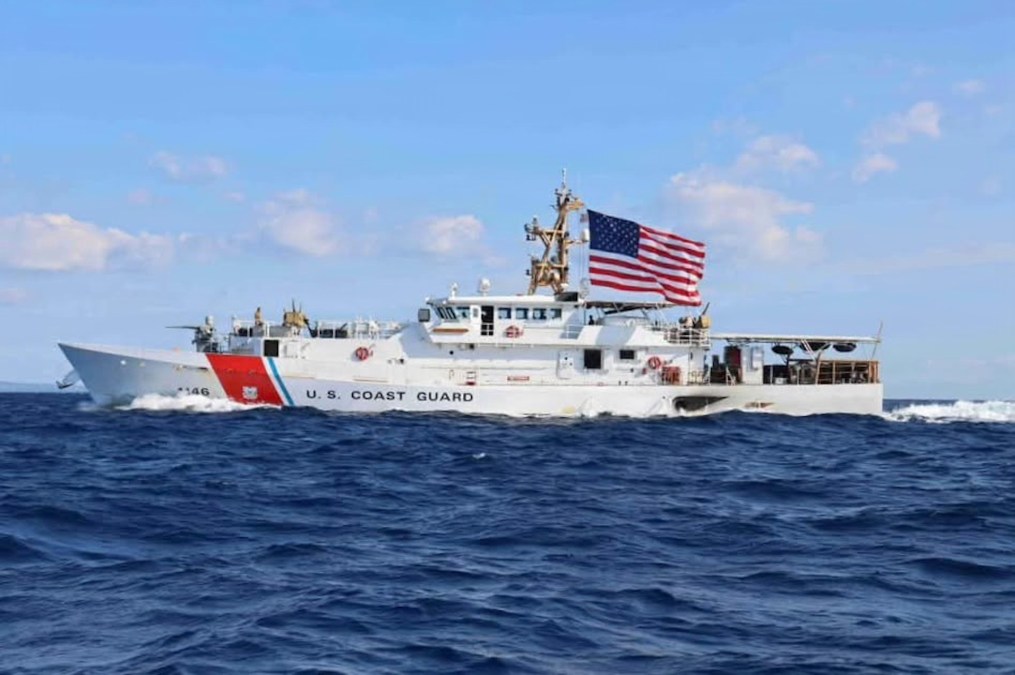
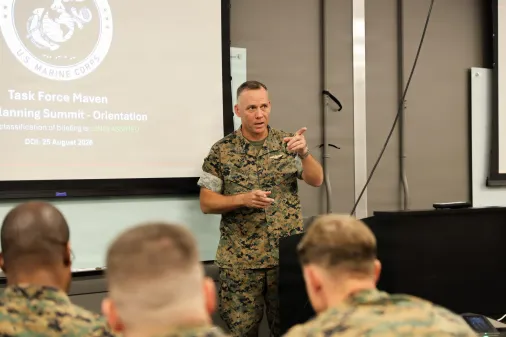
The U.S. Coast Guard’s latest force design update includes the Maven Smart System AI tool that has been embraced by the Pentagon, among other digital modernization initiatives.
MSS, built by Palantir, can fuse disparate systems, data streams and intelligence information for commanders. It’s intended to help users make better and faster decisions.
The Coast Guard, which falls under the Department of Homeland Security but is considered a military service, noted its interest in the MSS platform as it pursues resilient command and control and faster mission workflows to achieve “decision advantage.”
The sea service “must drastically compress decision cycles and increase their accuracy,” officials wrote in a new report, “Force Design: Forging the Future,” that was released this month.
“Comprehensive integration of sensor data, intelligence, and operator input through the Tactical Awareness Kits (TAK), Maven Smart System, and enhanced mission workflows will integrate feeds to provide an operational reality with shared understanding. A digitally connected architecture empowers front line operators with decentralized autonomy to move at the speed of mission,” the document added.
Another initiative on the agenda is the fielding of Coastal Sentinel, a “system of systems” architecture that’s designed to boost maritime domain awareness by linking the service’s existing multi-modal and multi-domain sensors into a single, unified network, according to a Coast Guard description of the effort, which falls under the organization’s command, control, communications, computers, cyber/combat systems and intelligence portfolio. Along with sensor fusion, it involves tactical communications and networks, data engineering and management, analysis applications, and visualization and tasking tools.
The project will provide a “massive upgrade” to the Coast Guard’s C2 posture, according to the service.
“For personnel on the front line, this means background super intelligence automates data processing and integrates multi-agency feeds into a shared, real-time map,” officials wrote on a Coast Guard website, using the Trump administration’s preferred name for artificial intelligence. “It cuts out the clutter, spots threats instantly and gives Coast Guard men and women the exact information they need to make fast, decisive calls when lives and national security are on the line.”
According to the updated Force Design document, phase 1 development of Coastal Sentinel is slated to begin in fiscal 2027 at Sector San Diego, and additional sites will include the Houston-Galveston and Miami sectors. The service plans to implement the capability across multiple Coast Guard districts following the initial phase.
The service also intends to expand the rollout of Digital Seabag technology.
The Digital Seabag initiative provides service members with “dedicated, role-tailored mobile devices” that will streamline their work, according to a Coast Guard news release published earlier this month.
“Instead of waiting around for open workstations or dealing with slow, paper-based processes, crews can complete mission-critical tasks directly on scene, reclaiming hundreds of hours of administrative waste and returning them straight to frontline operations,” the news release stated.
More than 2,000 devices were deployed over the past year, and additional deliveries are expected across the fleet in the coming months. By March 2027, more than 8,000 boat force operators are expected to receive the tech, and a “service-wide” rollout to divers will give them access to a “Digital Dive Side” app that’s designed to streamline training management, safety notifications and gear checkouts, according to the news release.
The Coast Guard’s acquisition plans also include a variety of unmanned aerial systems and sea drones, among other assets.
The sea service’s modernization efforts have been boosted by $24.6 billion in funding that was provided to the organization via the One Big Beautiful Bill Act that was passed last year. Nearly $20 billion of that money pot has already been obligated, according to the Coast Guard.
However, additional infusions of funding to support modernization will be needed in the coming years.
“What the USCG needs now is enactment of the President’s budget request for [fiscal 2027] followed by increased, sustained top-line investment of $20 billion each year to operate, maintain, and support the new assets that are being delivered and acquire additional assets the USCG needs to meet the increased mission demands from the Nation,” officials wrote in the new Force Design report.