SOCOM exploring how AI can process biometrics, other data gathered by operators
Special Operations Command is exploring how artificial intelligence can process data gathered by its operators, according to a special notice, which also seeks industry information on facial recognition, speaker identification and DNA profiling capabilities.
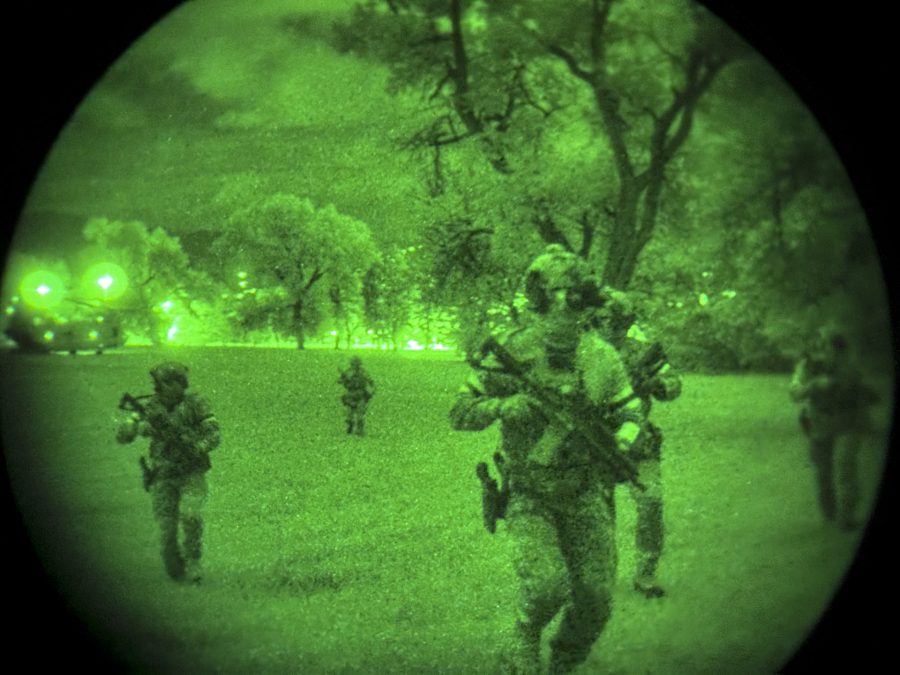
Elite U.S. troops use a process called sensitive site exploitation (SSE) to collect information from people or material during an operation. This data then helps the military build intelligence packets for future missions or support criminal prosecutions, according to the Army. A well-known example of SSE occurred during Operation Neptune Spear, when Navy SEALs recovered documents, drives and electronic equipment from Osama bin Laden’s compound.
But these missions can also mean collecting information directly from humans. Both conventional and special operations forces used various systems to extract biometric data from both friends and foes for years during the Global War on Terror.
In a request for information published Wednesday, SOCOM said it was looking to further “explore” this type of data collection and how AI can potentially analyze information from biometrics, documents, open source intelligence and communications exploitation methods.
A representative from SOCOM did not respond to a request for comment by deadline, but a defense expert said that it appears that the command is looking for an AI tool to replace or support human analysts who sift through data collected by operators.
“Which, overall from a framework standpoint, makes sense,” said Alex Plitsas, a senior fellow at the Atlantic Council and former chief of sensitive activities for special operations and combatting terrorism in the Office of the Deputy Assistant Secretary of Defense.
“If you look at how AI is being used in the private sector — for example the financial sector — most of the big financial firms are experimenting with AI to see if they can replace junior financial analysts to do the initial tranche of data analysis quicker, faster and more accurately,” he said. “It’s applying the same type of mindset and technology, but in this case [in] the national security space. And instead of financial data, you’re looking through data sets to try to positively identify a human being.”
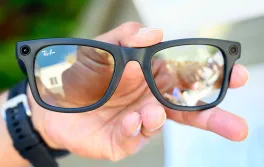
SOCOM’s request stated that it was looking for a facial recognition tool to accurately identify people in real time from up to 100 meters away, “regardless of environmental conditions, amount of light, and background noise.” It also noted that this potential capability should be able to integrate with standing intelligence databases.
The command is also exploring speaker identification capabilities, according to the request, which said that any proffered solution should be able to recognize voice samples from one or more speakers, “including noise…pertaining to a single, perhaps unknown, individual for intelligence purposes.”
For DNA capabilities, SOCOM is exploring how its commandos can capture and generate a DNA profile, which will then be compared against existing databases — such as ones managed by the FBI — to help operators decide whether to hold or release “the target within 24-hours.”
The request stated that an AI tool from industry should be able to take data extracted from unmanned systems, open source intelligence or other “exploitable” material for automated categorization and analysis. It listed biometrics, cellular exploitation and document exploitation as examples of methods the AI tool would analyze data from.
Domestically, law enforcement and government agencies’ use of AI-supported facial recognition systems have incurred criticism over privacy concerns, especially as the nascent technology is prone to mistakes. Experts have also raised significant ethical questions about the use of militarized-AI systems as global powers race to proliferate them.
Plitsas, who is also an Army combat veteran, said that the request appears to point AI toward analyzing existing databases, rather than integrating it into recognition systems itself.
“In that case, the tool itself isn’t being used to determine the target, so much as verify [if] an existing known target is present at the location,” he said. “So from that perspective, I think it’s different and separate from the legal and ethical concerns that have been raised about AI use and targeting.”
Plitsas also suggested that this request could also help SOCOM assess what technologies adversaries could use to identify its operators through similar measures. The request noted that the AI solution would help “identify intelligence gaps.”
“This could be being put out there to identify any potential threats to their own personnel, as much as it is to identify potential targets,” he said. “Is there something in the commercial space that could cause us risk if our own operators are collected, voice or video?”
While the request indicated that SOCOM was looking “to gain knowledge” about these capabilities and specified that it was not soliciting, it laid out a nearly eight-month timeline that includes industry presentations, “on-loan” device delivery to the command and vendors training SOCOM testers on their devices.
Updated on Jan. 12, 2026, at 5:15 PM: This story has been updated to reflect that a representative from SOCOM did not respond to inquiries, rather than declined comment.