SOCOM seeks candidates for agentic AI experimentation
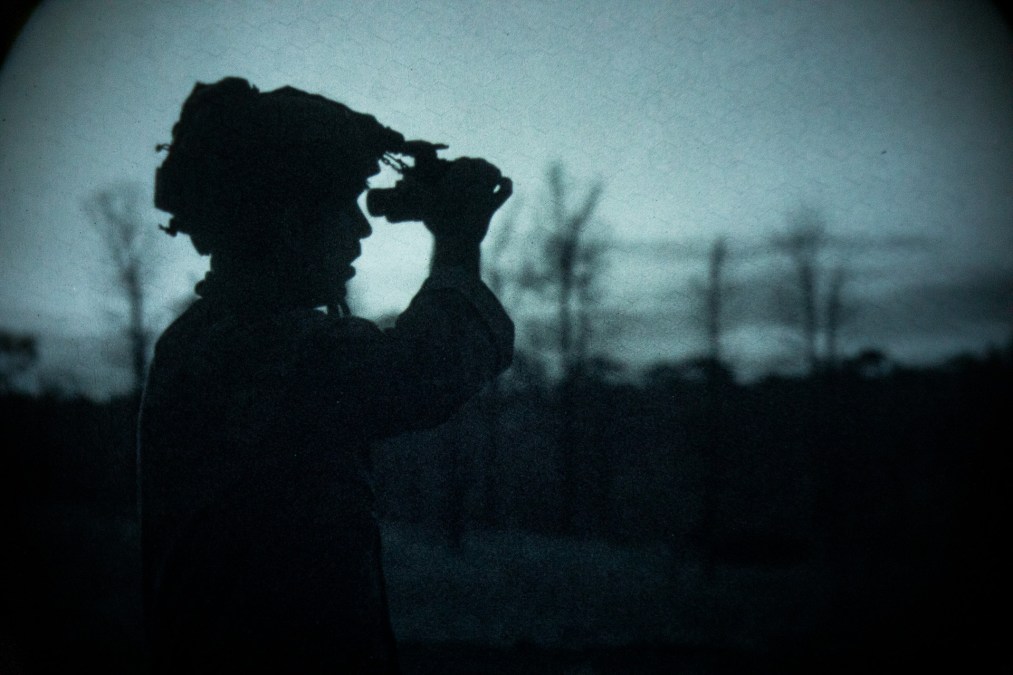
U.S. Special Operations Command is gearing up to experiment with agentic artificial intelligence capabilities, and it’s now soliciting information from industry and other organizations that want to demo their technologies.
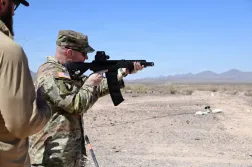
SOCOM will host an experimentation event in April at Avon Park Air Force Range in Florida to identify and assess emerging tech and give participants the opportunity to gain insight and feedback from special operations forces, according to an RFI released Friday.
“SOF requires Agentic Artificial Intelligence (AI)-based technologies that can collaborate to perform tactical or operational tasks, create and support workflows that can be modularly integrated into existing SOF software architectures,” officials wrote.
The command noted that it’s looking for tools that can reason, adapt to their environments, and make their own decisions with human-like agency — not systems that perform automated behaviors based on pre-programmed or predefined rules, instructions, or algorithms.
“Agentic AI-based capability refers to a class of AI agents that can perceive and interact with multiple modalities, such as visual, auditory, and textual inputs and automatically respond to conditions, autonomously make decisions, and perform complex tasks independently, without human intervention or with limited human intervention. Agentic AI-based systems utilize a multimodal framework to interpret a broader context, enhancing interactions by combining various data types. For instance, multimodal AI agents can parse language, recognize tone, and interpret visual data simultaneously, leading to more accurate and context-aware responses. This approach is crucial for improving human-machine interaction and adapting to diverse environments to facilitate a more fluid and responsive engagement with digital systems,” per the RFI.
“However, in some cases (e.g., kinetic fires) online learning is not allowed since it may lead to undesired behavior,” officials noted.
SOCOM has identified a slew of potential applications for agentic AI within the commando community, including software development and integration, cybersecurity and business intelligence, decision support, intelligence gathering and analysis, mission planning, mission execution and mission control.
The technology areas the command wants to explore at the evaluation event next spring include agentic protocols; agentic workflows or orchestration; human-machine teaming; knowledge representation for AI: low size, weight, and power-compute (SWaP-C) solutions; AI agent frameworks; metrics and AI accuracy assessment; optimization for tactical and low-SWaP-C resources; and collaborative autonomous systems.
Responses to the RFI are due Jan. 12.