Navy secretary warns of ‘coordinated, multi-domain’ campaign against personnel and installations
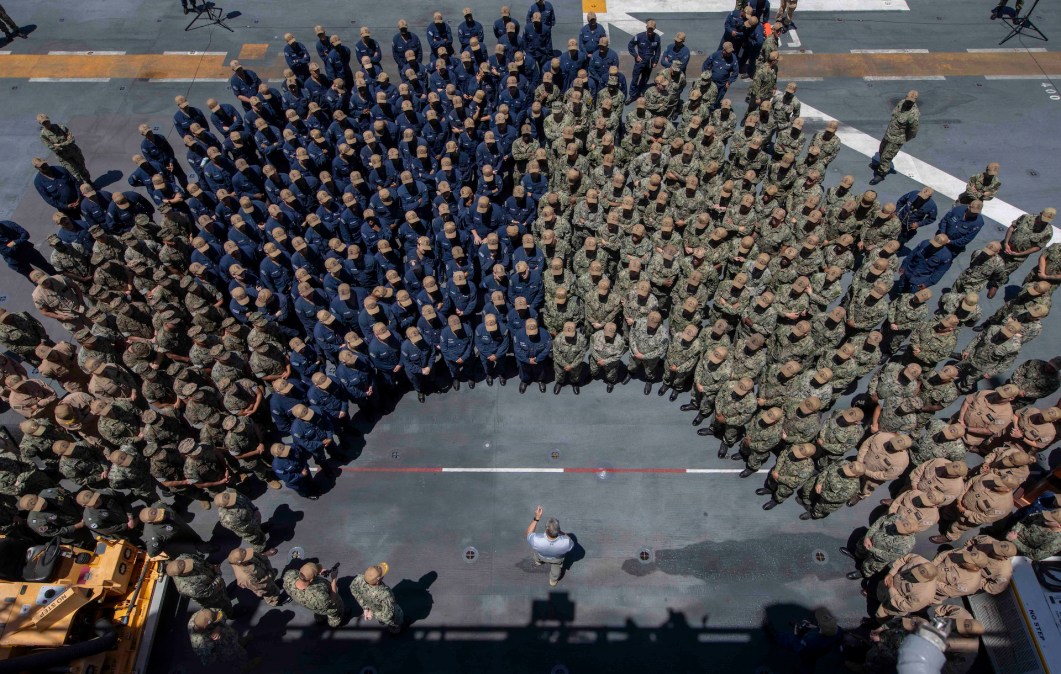
Acting Secretary of the Navy Hung Cao released an administrative message to the force this week warning them to stay vigilant against a multi-pronged campaign by adversaries targeting service members, department civilians and military installations.
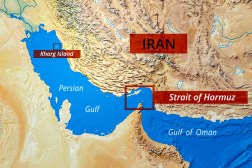
Since the launch of Operation Epic Fury against Iran earlier this year, the Department of the Navy — which includes the Marine Corps — has faced an evolving threat landscape, he noted.
“In the current global security climate, adversaries and hostile actors are executing a coordinated, multi-domain campaign against the DON enterprise. Recent incidents across the globe demonstrate a clear growth in adversary tactics, techniques, and procedures. These are not isolated events; they are part of a deliberate effort to gather intelligence, test our defenses, disrupt our operations, and intimidate our force,” Cao said.
Examples of hostile activities highlighted in the unclassified message, which was published on a Navy HR website, include direct threats and harassment targeting personnel and their families via social media and other online platforms (such as doxing); drone activity near Navy assets; ground-level surveillance and “suspicious activity” near installations and in military communities; physical attacks; and probes of security measures.
“Attempted physical attacks and probes against access control points” indicate “a willingness by adversaries to move from threatening words to direct action,” according to the message, which cautioned about coordinated initiatives “designed to test security responses and personnel endurance at widely dispersed locations.”
Drone surveillance of warships, flight lines and critical infrastructure “demonstrates increasing capability and intent to evade detection,” Cao said.
He encouraged service members and Navy civilians to “harden” their online security posture.
“Immediately review all social media accounts (including those of family members) for publicly available personal information. Set profiles to private. Remove any information that could identify your connection to the DON or reveal patterns of life. Adversaries are actively mining this data,” Cao said.
Back in April before he was removed as SECNAV, John Phelan issued an administrative message with recommendations for improving cyber hygiene amid Epic Fury. However, Cao’s new message issued this week addresses a wider variety of “threat vectors” that service members face.
Cao said that personnel should remain vigilant, understand force protection requirements at their commands and in their areas of responsibility, and immediately report suspicious activity through the appropriate channels.
Examples of cyber incidents that should be flagged include receipt of threatening or suspicious emails or messages on social media by service members or family members, and imposter social media accounts pretending to be those of shipmates. The message also warns about people “aggressively seeking personal information” such as social media accounts, email addresses, home addresses and phone numbers.
The Navy wants personnel to report any instance of “being followed, photographed, or confronted off-installation, particularly while in uniform or near your residence.”
Other suspicious activities that should be flagged include people “lingering near or photographing/filming” installation gates, perimeter fences, ships, aircraft, or housing areas; drones operating near installations, piers, flight lines, or other areas frequented by Navy personnel; and individuals showing “undue interest” or asking “unusual questions” about military activities like ship or personnel movements, deployment dates, leadership schedules, or base operations.
Cao did not explicitly identify the specific nation-states or other groups that are engaged in the alleged coordinated campaign against the department.
His message includes contact information for organizations where personnel can report suspicious or malicious activity.
NCIS — which maintains field offices and a website where users can submit tips — is the Navy’s lead agency responsible for counterintelligence efforts and major criminal activity investigations, Cao noted. Service members and civilians can also reach out to base security and force protection offices, or local law enforcement. Additionally, Marines can use the Corps’ Eagle Eyes website.