Cyber Command, engaged in war with Iran, gets new commander
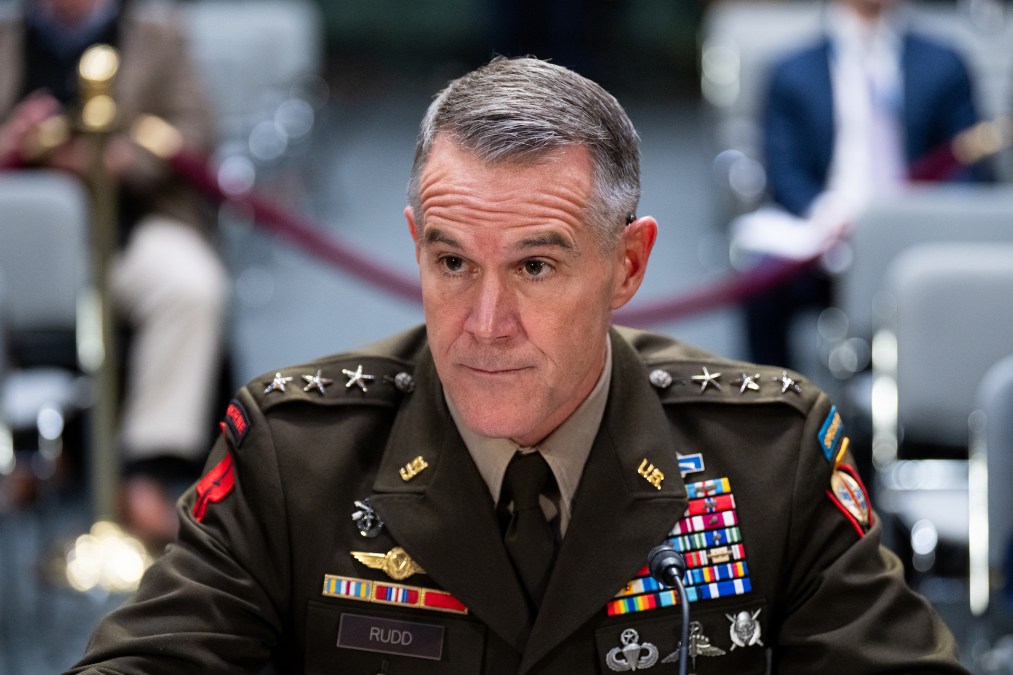
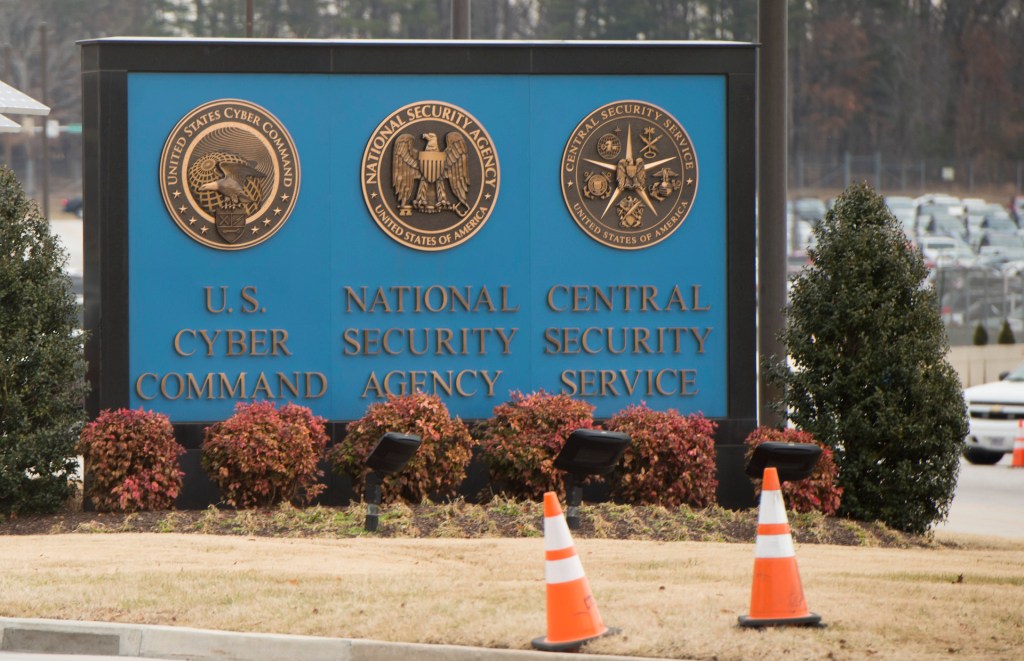
The Senate on Tuesday voted to confirm Army Lt. Gen. Joshua Rudd as commander of U.S. Cyber Command and director of the NSA, ending nearly a year of leadership uncertainty at the agencies and putting a new chief at the helm amid an ongoing war with Iran.
Rudd, who previously served as deputy commander of U.S. Indo-Pacific Command and worked in the special operations community, was nominated in December by President Donald Trump for the dual-hat role of Cybercom and NSA boss, despite having a limited cyber background.
In April 2025, the Trump administration fired Air Force Gen. Timothy Haugh as head of those organizations without providing a public explanation. Since then, Cybercom and NSA have been led by Army Lt. Gen. William Hartman, who stepped in as acting director. Hartman was ultimately passed over to hold the roles on a Senate-confirmed basis.
Rudd, who will pin on his fourth star following his confirmation, is entering the job as Cybercom supports U.S. military action against Iran during Operation Epic Fury. The command also played a support role in Operation Midnight Hammer against Iran last year and Operation Absolute Resolve in Venezuela in January, which included the capture of Venezuelan leader Nicolas Maduro in Caracas.
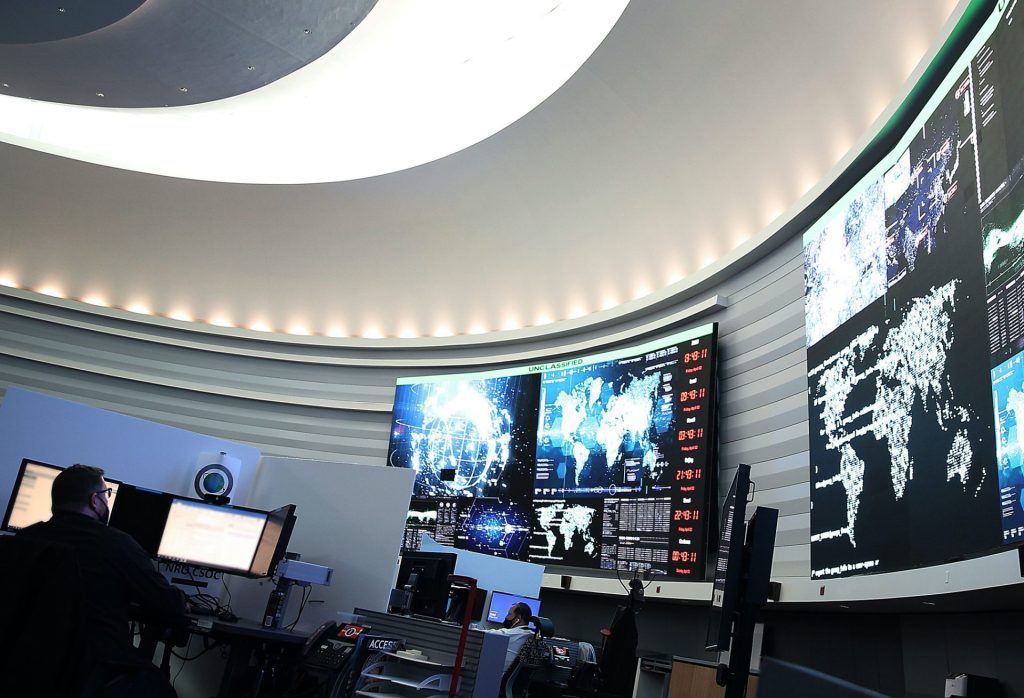
In addition to assisting other combatant commands and the joint force, the organization is tasked with conducting so-called “hunt forward” operations on overseas networks, defending the Department of Defense Information Network (DODIN), and bolstering America’s ability to resist and respond to cyberattacks.
Other major issues that Rudd will have to deal with in his new job include implementation of the new Cybercom 2.0 force generation model and an ongoing debate about whether the Defense Department should create an independent military service, or Cyber Force, to focus on the digital realm.
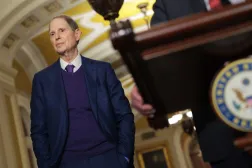
The Senate confirmed him by a vote of 71-29. Sen. Ron Wyden, D-Ore., had tried to block the confirmation, arguing that Rudd is “not qualified for this job.”
As Cybercom boss, Rudd will be teamed with Lt. Gen. Lorna Mahloch, who was confirmed as deputy commander last month. She previously served as leader of the U.S. military’s elite Cyber National Mission Force and as deputy director for combat support at the NSA’s Cybersecurity Directorate.
As NSA head, Rudd will work with Tim Kosiba, who was named deputy director in January. Kosiba is a veteran of the spy agency with decades of experience working for the federal government.
The NSA isn’t the only intel agency under the Defense Department to get new leadership in recent months.
In February, Marine Lt. Gen. James Adams took the helm of the Defense Intelligence Agency, where he’ll oversee DIA’s modernization and integration of cutting-edge technologies such as AI.
In November 2025, Army Lt. Gen. Michele Bredenkamp became director of the National Geospatial-Intelligence Agency. The NGA is also pursuing AI capabilities and other digital tools to support its missions.