NATO announces Protected Business Network contract with Accenture
NATO is moving forward with plans for a new cloud-enabled network for classified digital operations, the alliance announced Tuesday.
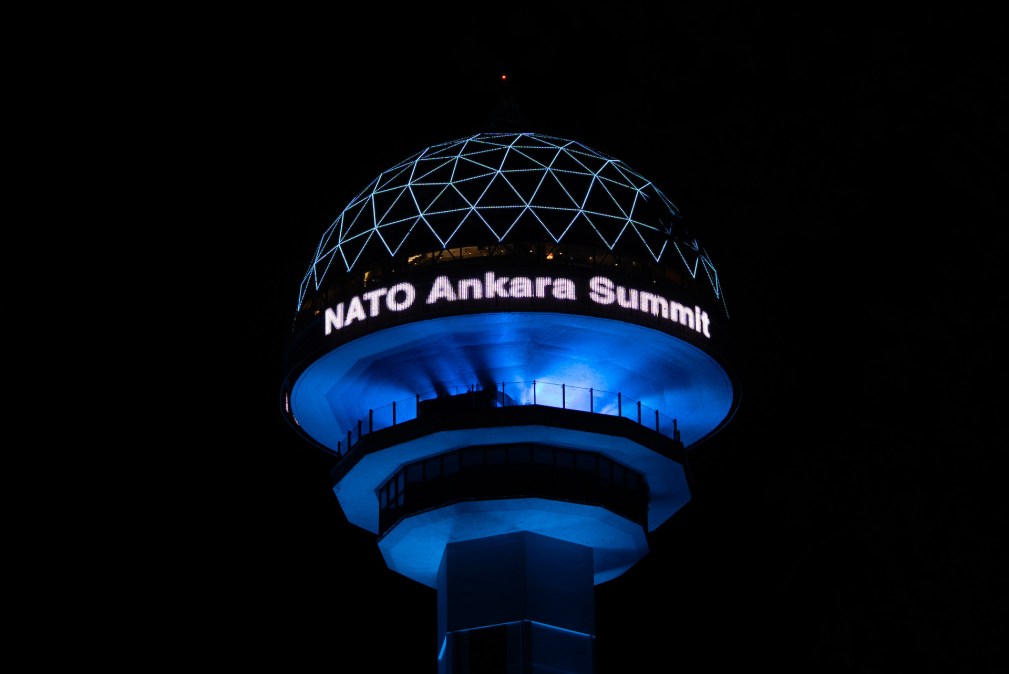
Leaders of member nations in the military pact are meeting this week in Ankara, Turkey, where the NATO Communications and Information Agency signed a deal with Accenture worth up to 200 million euros, or about $230 million, to support the Protected Business Network program.
“Over the next seven years, Accenture will design, implement and operate the core PBN platform across a multi-cloud environment provided by NCIA, supporting the progressive deployment and long-term adoption of secure cloud services to approximately 29,000 users across the Alliance,” according to a NATO press release, which noted that the effort will be executed via task orders during the period of performance.
Officials hailed the deal as a major step in the multinational organization’s digital transformation.
“Under the Protected Business Network, NATO is taking a key step to modernize its digital infrastructure and enable a more connected, data-driven enterprise, ensuring we deliver digital capabilities at speed and scale,” NCIA General Manager Dr. Dylan Browne said in a statement.
According to the press release, the PBN initiative will introduce a common cloud operating model, standardize engineering practices, and provide a secure environment in which new digital services can be more quickly developed and deployed.
“Together with Leonardo, we are bringing the cloud and security capabilities needed to help NCIA build a digital backbone that is resilient, interoperable and ready for the future, while strengthening the Alliance’s own ability to operate and lead,” Mauro Macchi, Accenture’s CEO for Europe, the Middle East and Africa, said in a statement.
The deal with Accenture was one of several modernization-related announcements to come from the Ankara summit thus far.
NATO also touted the pursuit of advanced strike capabilities, such as loitering munitions; plans to invest about $40 billion in counter-drone tech and drone training over the next five years; the purchase of MQ-4C Triton unmanned aerial systems for intelligence, surveillance and reconnaissance; and joint procurement of GlobalEye aircraft for the alliance’s Airborne Warning and Control System (AWACS).
Additionally, the organization unveiled a new multinational initiative called Hybrid Alliance Layered Operations in Space, among other efforts.
“HALO will focus on improving connectivity and integration of sovereign, nationally owned and controlled military satellites into a networked mega constellation,” according to a NATO press release, which added that the initiative will enable high-speed communications, intelligence and missile tracking.