Behind the scenes of Transcom leaders’ recent trip to key western US logistics hubs
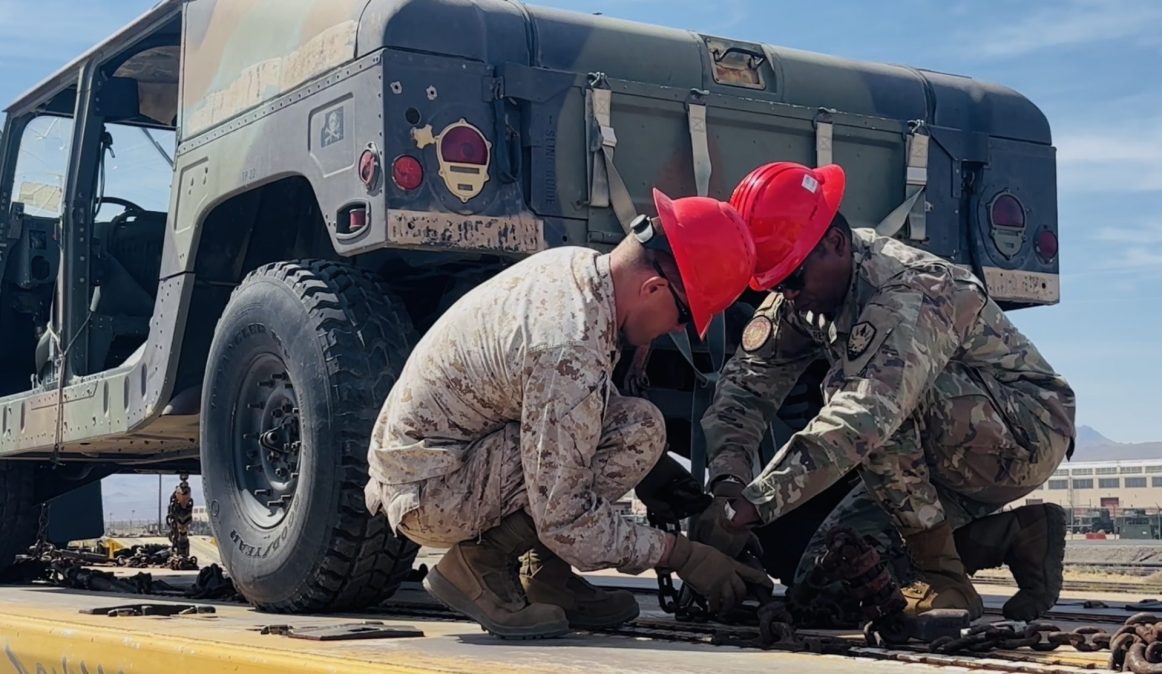
Gen. Randall Reed considers himself on an active quest to gain “an ever-increasing understanding” of the logistics and transportation networks that move and power America’s military.
And in the process, the commander of U.S. Transportation Command intends to find where there is, as he puts it, “room to make things better or faster” for the joint force.
Reed’s aims to wholly grasp the sprawling military’s shifting capacity, pinpoint areas for improvement and enable feasible near-term modernization breakthroughs were evident on a three-day trek he took to strategic military installations and logistics nodes around Colorado and California earlier this month.
“In engaging with the force and having conversations with them, it just validated the fact that they’re all very comfortable with technology,” he said. “And they’re able to think critically about it.”
Invited to exclusively embed on the trip, DefenseScoop met the commander in Illinois early on a Monday at Transcom’s headquarters, Scott Air Force Base.
From there, the travel party took off on a C-40 military aircraft headed to Buckley Space Force Base in Colorado. Officials were then picked up and driven out to Sierra Nevada Corporation’s Rocky Mountain Campus.
Reed toured SNC’s massive aerospace and defense facilities and received executive briefings on work the company is doing for the military to enable next-generation command and control, cybersecurity and other technologies.
The company also hosted a team from U.S. Strategic Command that day, so Reed connected on the ground with Stratcom commander Adm. Richard Correll. The two combatant commanders observed technology demonstrations in SNC’s System Integration Command, Digital Cave, aircraft hangars and elsewhere.
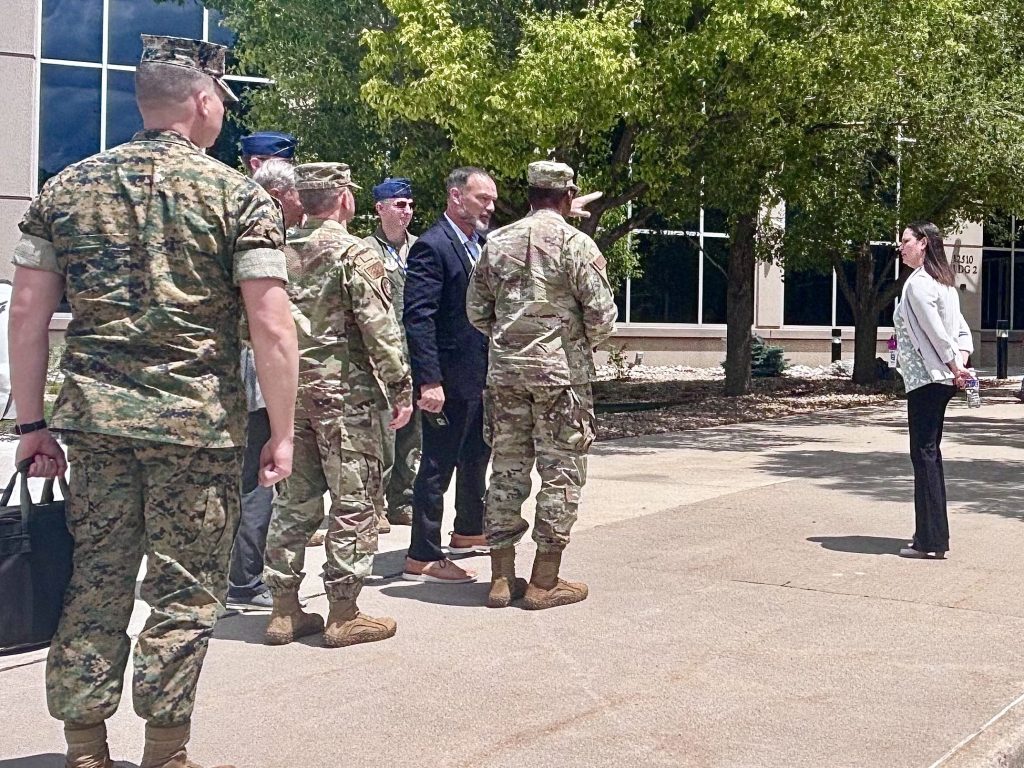
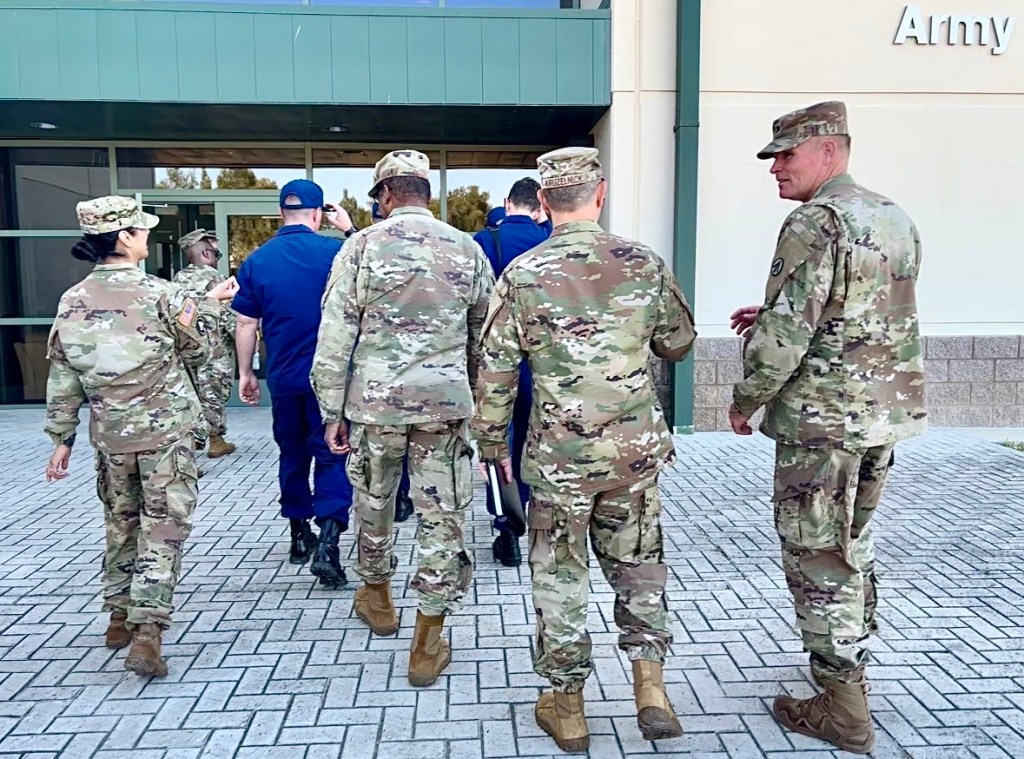
On Tuesday, Reed spent the morning at Military Ocean Terminal Concord (MOTCO), a base and vital ammunition seaport in California.
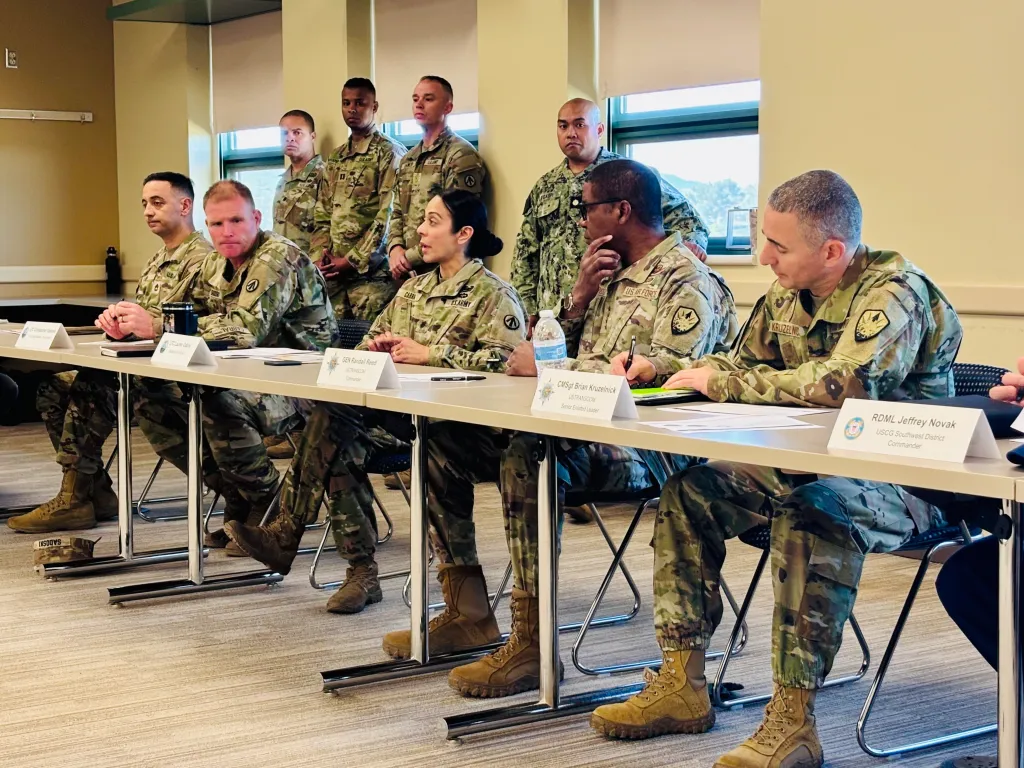
The Transcom commander and his team were briefed by more than two dozen people at MOTCO, including senior officials leading Army Transportation Command, members of the Coast Guard and FBI, and local officials who run ports that make up a significant logistics node for Transcom along the California coast.
Roundtable discussions addressed a range of topics. Local, federal and military officials supplied updates on port diversification and modernization initiaitives, and civil utility resilience, as well as recent security and infrastructure improvements.
During the MOTCO roundtables, Reed heard from senior officials about how they are balancing national security and strategic capcacity for port defense and outloads with strains introduced by major international events set in California, like the 2028 Summer Olympics in Los Angeles.
Transcom is primarily responsible for moving U.S. military personnel and assets all around the world.
But when the U.S. hosts mega-events — like the ongoing FIFA World Cup and upcoming Olympic Games — the command works behind the scenes with other co-coms and civilian authorities to ensure commercial and military freight can still access vital ports and helps with moving specialized response equipment to host regions.
“This is an exercise in critical thinking of being a strategic leader — being able to conduct a strategic scan of your environment, understanding what you may have to deal with and prioritizing it. It’s something we do in Transcom every day. So, my fellow combatant commanders are always dealing with something. The way that they deal with it requires various levels of response from transportation and logistics. We work together to solve them when things go beyond their ability to use their own assets, and there may be some competition with some other activity that the nation is asking us to do,” Reed told DefenseScoop. “That’s when we work with well-established processes within the department to prioritize, and then we problem solve that.”
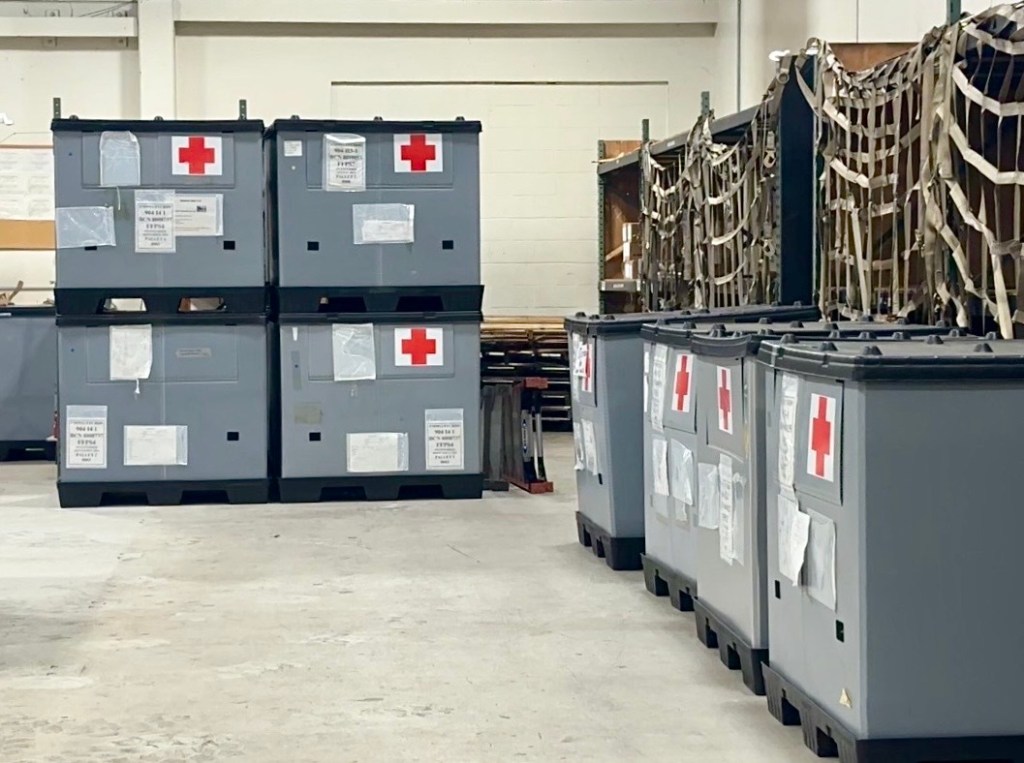
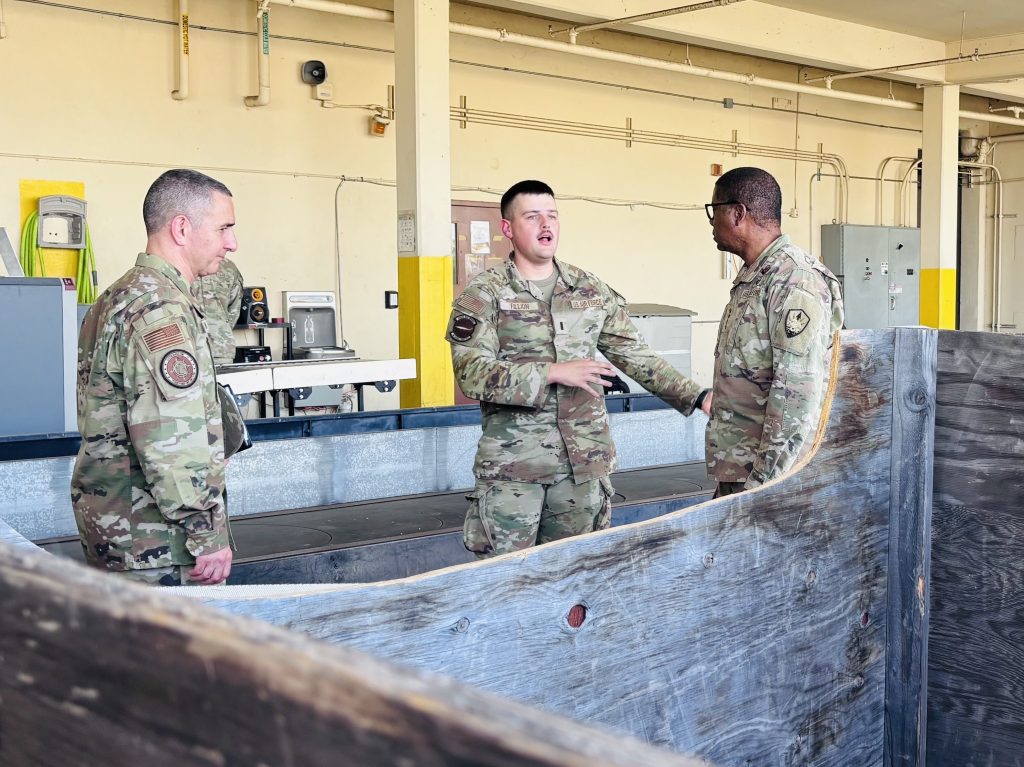
The commander’s next stop on the multi-state tour was Travis Air Force Base in Fairfield, California. Considered the “gateway to the Pacific,” Travis is the Air Force’s largest air mobility installation and handles more cargo and passengers than any other military air terminal.
Service members who briefed Transcom officials on the ground said Travis AFB moved 74,000 tons of cargo and 9,700 passengers last year.
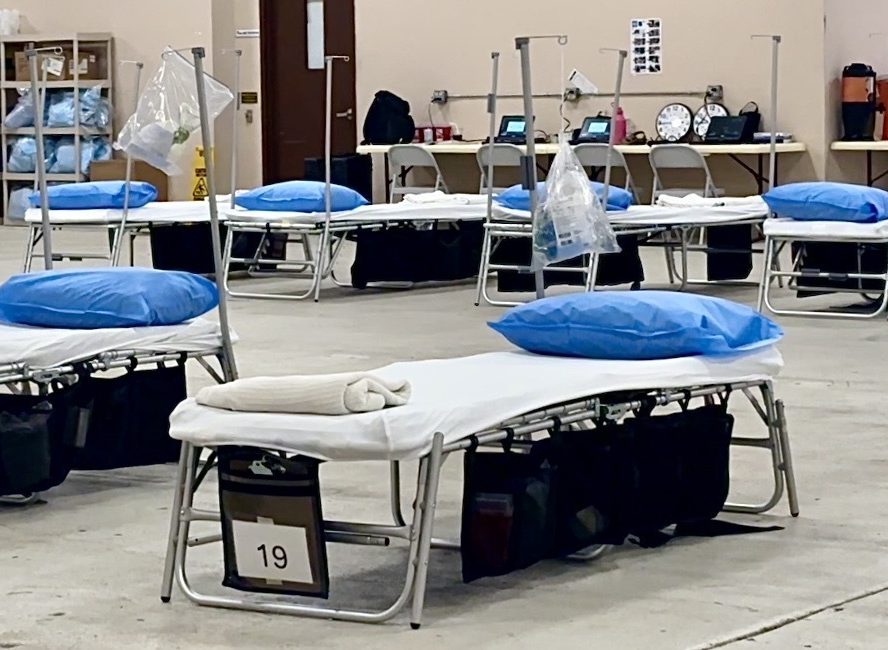
The base also houses the joint force’s Pacific Aeromedical Evacuation Teams and the David Grant Medical Center — the largest Air Force hospital, with around 2,400 staff members who serve approximately 16,000 patients monthly.
During the tour, Reed heard how the base is preparing for increased patient influx and modernizing the installation in multiple areas to enhance operational efficiency and disaster response capabilities.
“I will be looking into some pieces of the infrastructure that they discussed — the building where they were set up to receive patients — that’s a pretty good example of infrastructure that exists that we could use for different purposes, depending on those purposes. What type of improvements would you need to have for something like that relatively quickly? So perhaps we may want to have generators on standby to provide additional power, depending on what workstations we would put in there. We may want to look at environmental-type things, and maybe portable heaters for the winter time, or something like that. I will look into those kinds of things,” Reed said when asked about some of his main takeaways.
Based on recommendations he got from officials there, the commander said he also plans to explore ways to refine medical clearance requirements and processes.
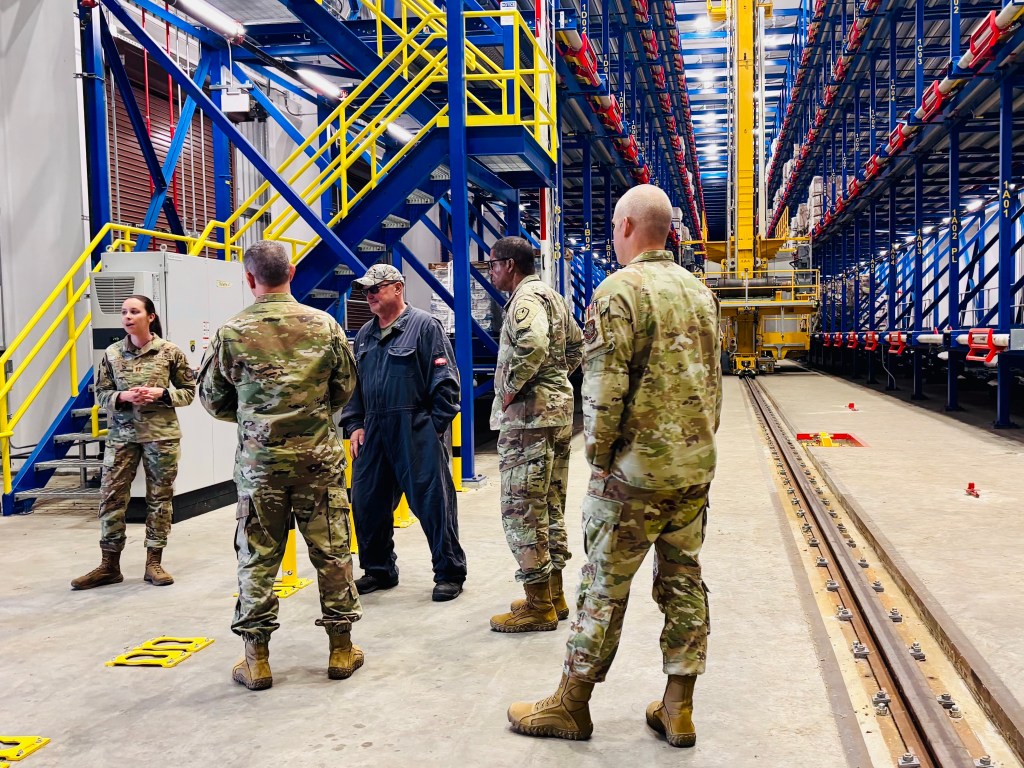
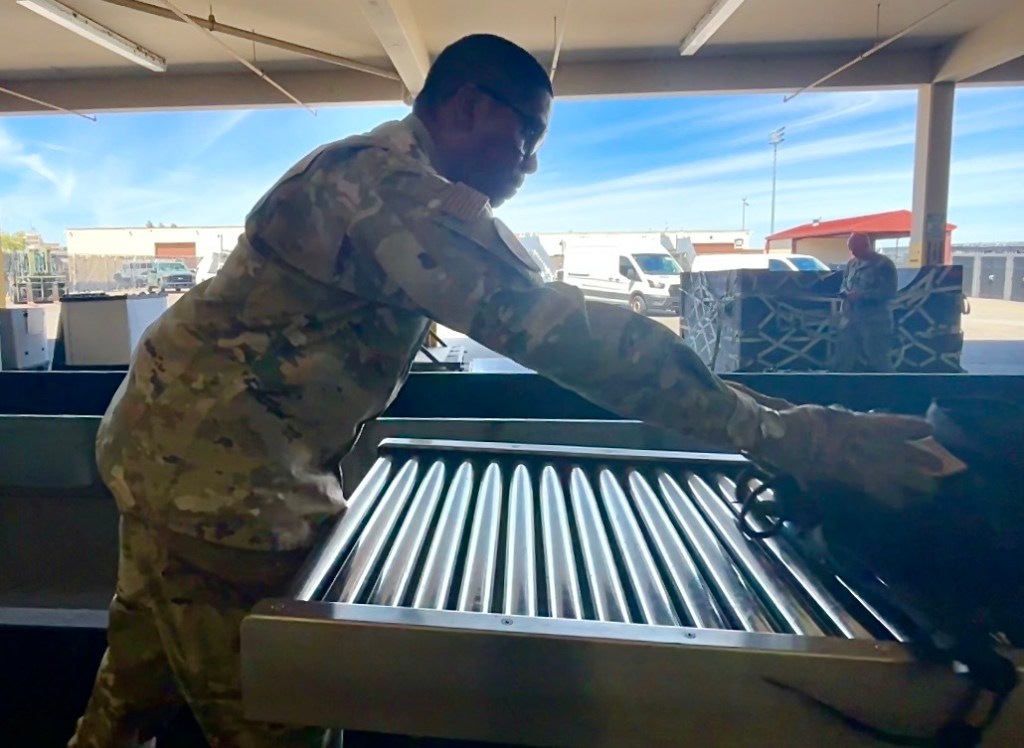
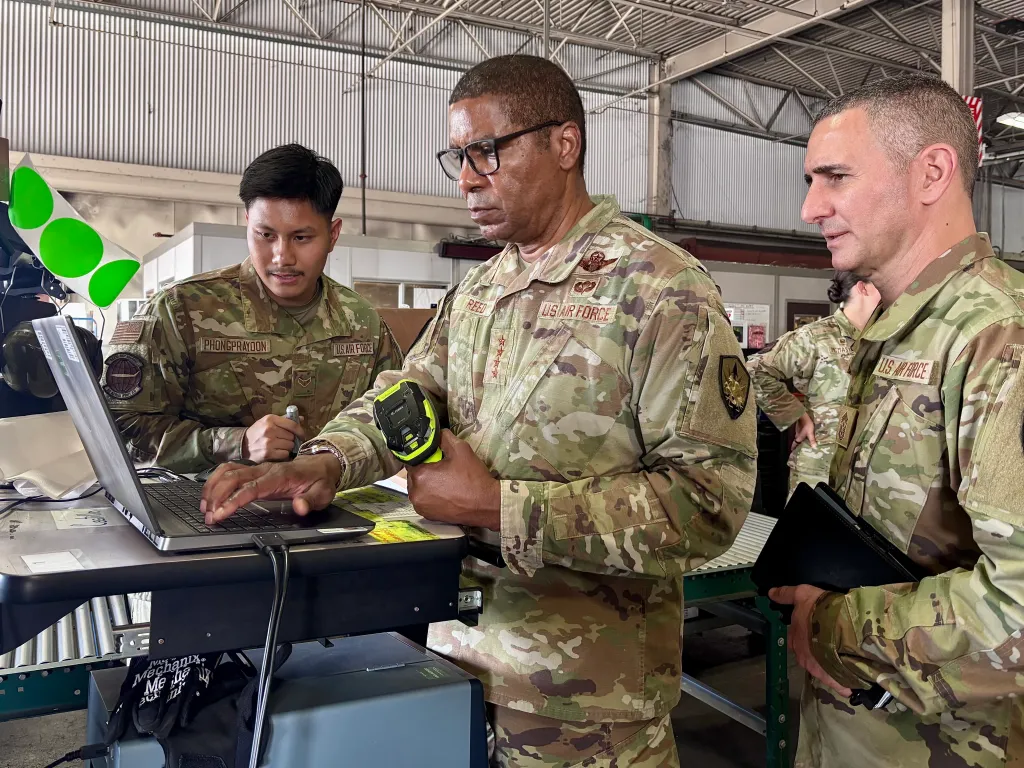
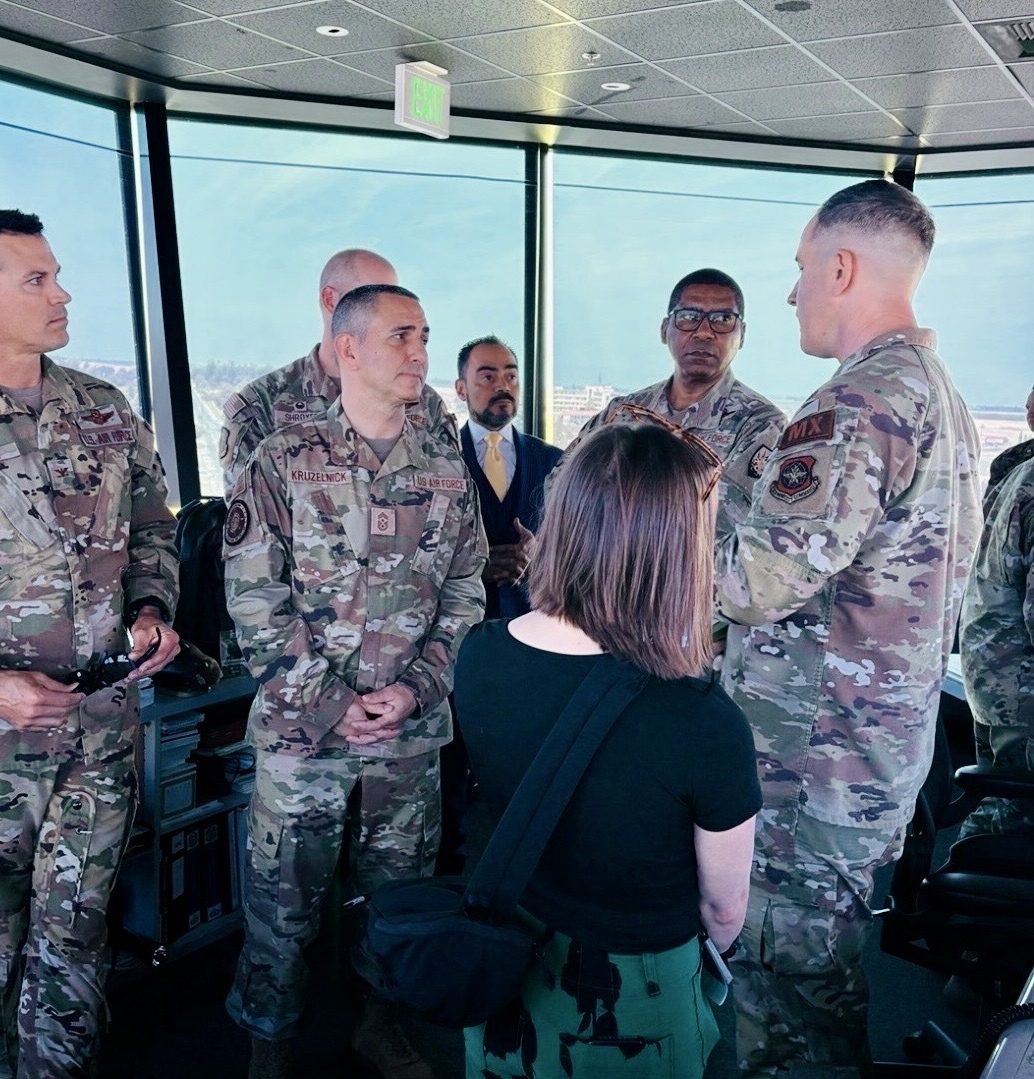
Reed, a seasoned command pilot, was additionally briefed at the base’s cargo warehouse, passenger terminal and air traffic control tower about major runway repair efforts, aging infrastructure and strains from recent large-scale combat operations.
“So, when you look at their base and what they have, the first thing we do is we look at what missions they are expected to conduct, and then what tools or the assets that they have on hand,” Reed explained.
Those involved consider the conditions and sustainability of those resources to make choices about keeping, modernizing or replacing them at a time when the federal government is working hard to balance budgets and bring costs down on in-demand capabilities.
“These lead to very difficult conversations and very difficult decisions — but it’s still important to have them with the people who are doing the mission to figure out what they may or may not be struggling with, how creative they are being, how best we can support them now, how best we can set that up to support them two years from now, five years from now, 10 years from now. And then at some point we just simply do what we can with what we have,” the Transcom commander said.
Reed and his team spent the final day of the trip at Marine Corps Logistics Base Barstow.
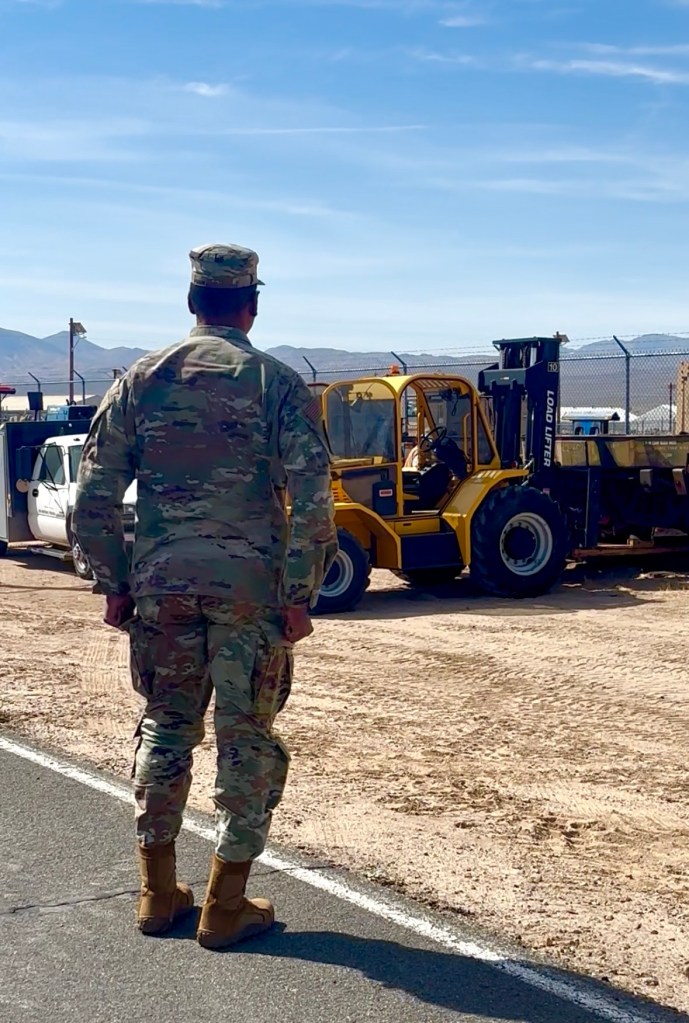
Located in California’s Mojave Desert, MCLB-Barstow is considered a major logistics and ground-combat equipment repair hub for Marine forces operating west of the Mississippi River and throughout the Pacific theater.
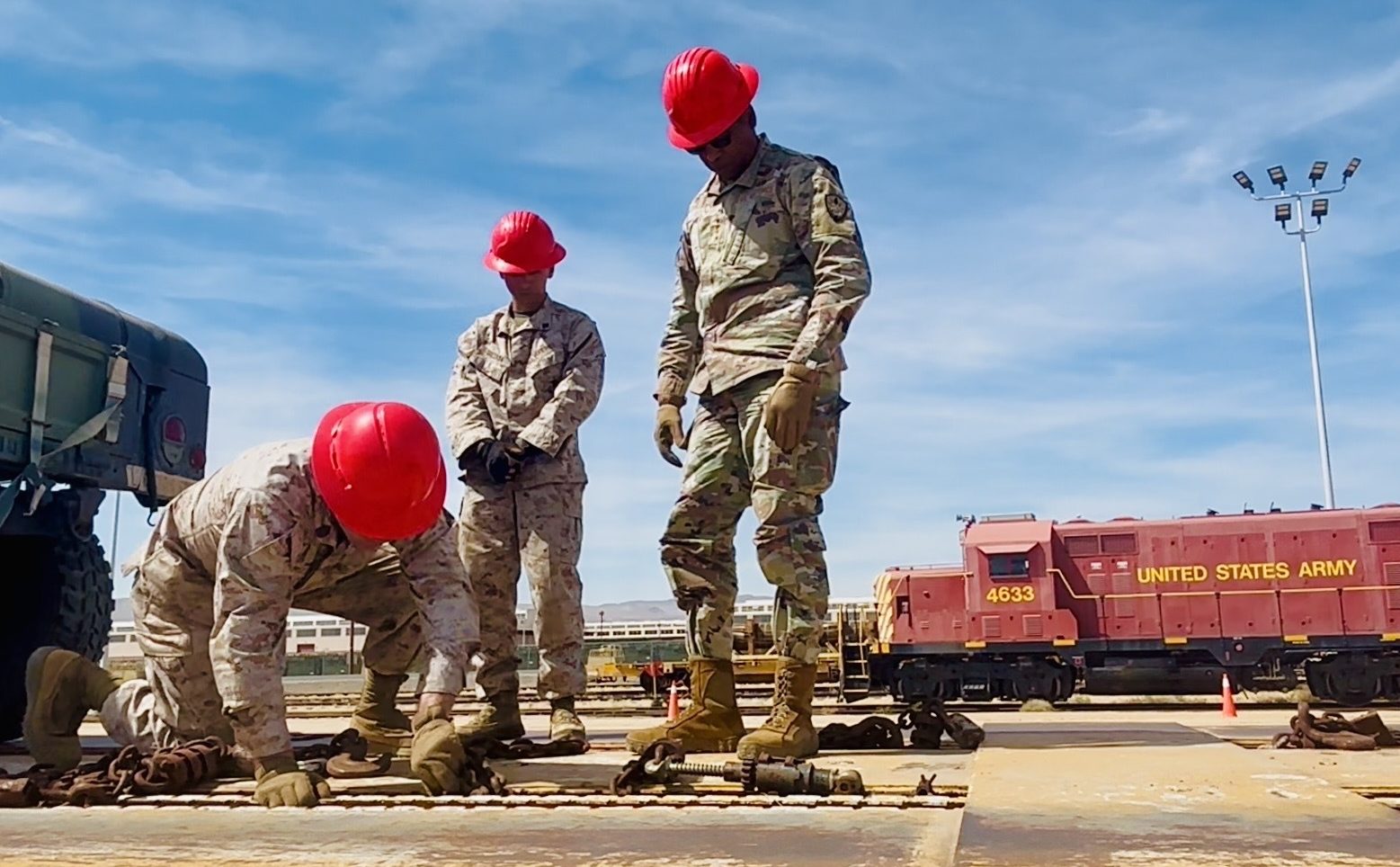
There, the Transcom team met first with executives from TTX, the North American railcar pooling company that operates a fleet maintenance and operations facility at the Yermo Annex on the base at Barstow. Officials at that roundtable discussed multiple subjects, including how TTX and MCLB-Barstow were gearing up for a surge of rail traffic tied to Project Convergence Capstone 6, the U.S. Army’s largest annual joint and multinational technology experiment.
“They are poised to be innovative in ways that work for them and for us, and so that was good to see,” Reed said. “It was also good to see in real time the relationship that that company has with the units that are there.”
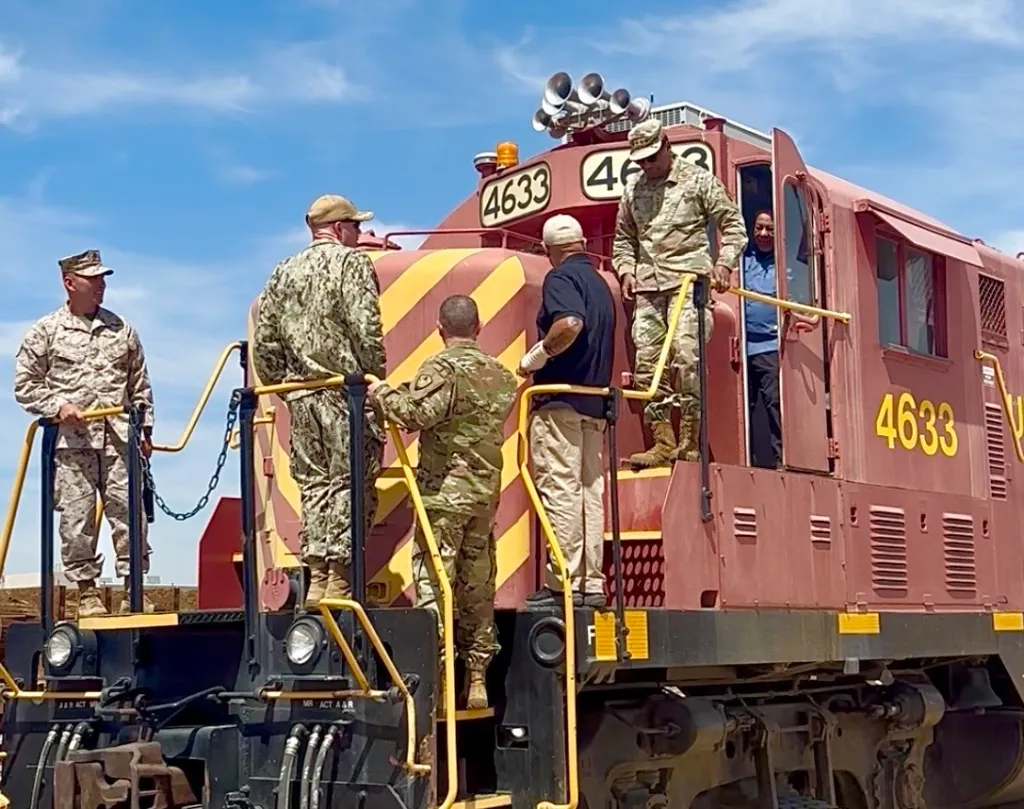
After that, Reed and his team were briefed by MCLB-Barstow personnel about infrastructure, route and asset awareness, and operational resilience — and taken on a supervisor-guided rail tour of the key logistics and transit node.
Over the next 9 months, he told DefenseScoop, the commander will prioritize connections with stakeholders across the U.S. rail system and broader transport network. That way, if crises surface, he can integrate train, plane, truck, maritime and port operations even more seamlessly.
“The American rail system — car for car, engine for engine, the amount of cargo we run per mile — it’s world class. I have every bit of confidence that, for the security of the nation, it’s going to be there for us,” Reed explained. “I just simply don’t have the relationships with the people who are running it to the same degree that the folks on the ground where we just came from have those relationships. I would like to be able to pick up the phone and call someone if I need guidance, or if we need to work for something. I can do that now, but it would surely be a lot easier if I had the relationship when we need to do something serious — and so, that’s what I’m out to do now.”
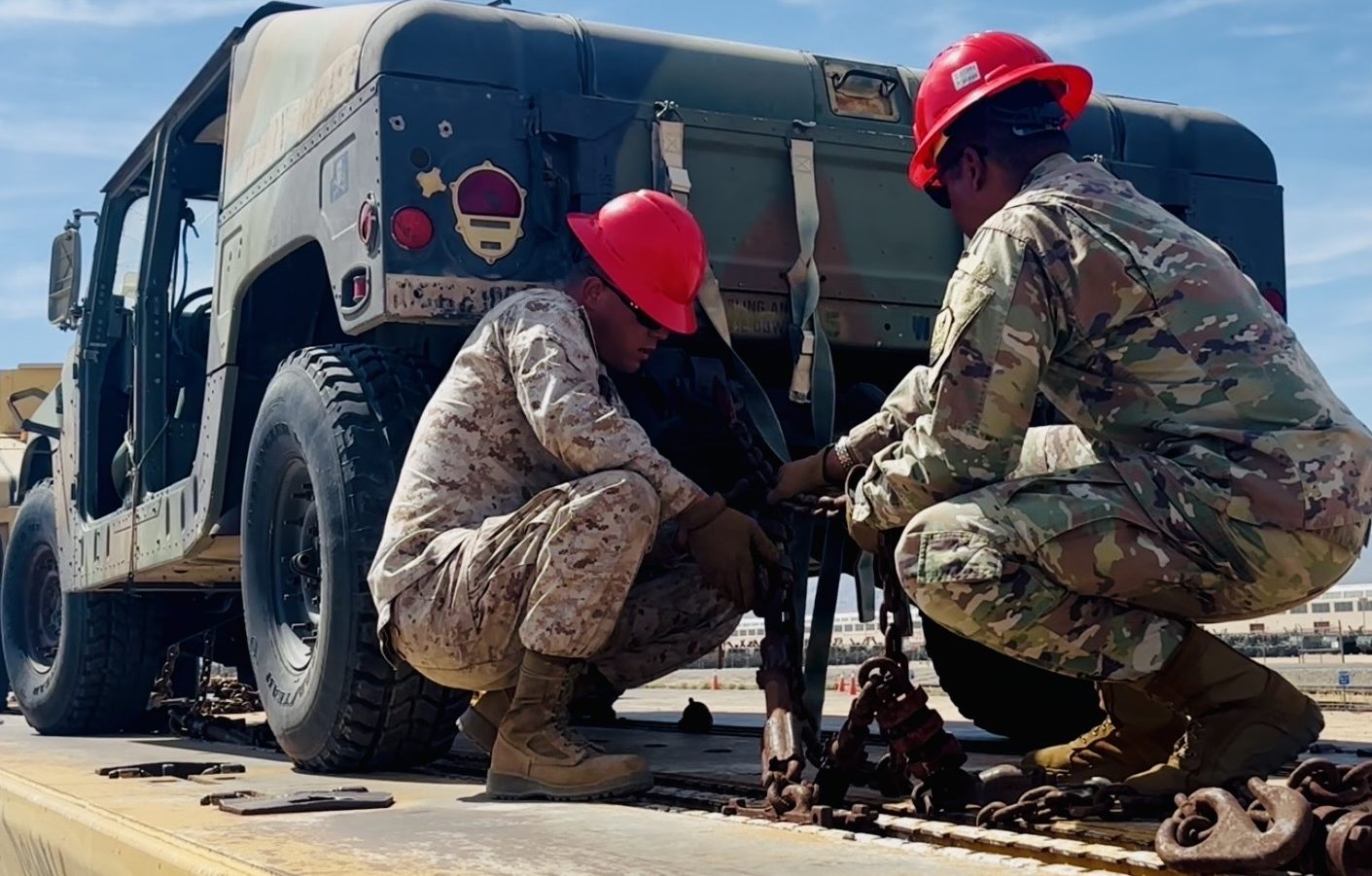
All in all, he felt that the conversations he had throughout the multi-base tour validated that U.S. military personnel across echelons are comfortable with existing and emerging technologies, thinking critically about applications, and not bashful about letting leaders know when they discover options that’s worth consideration.
“And when they find something that really, really works, they have the courage to have a very strong voice and say, ‘I want your help to invest in this,’” the Transcom commander said. “And we are clear-eyed enough to remember that we were like them at one point, doing the same thing. And we’re depending on them to bring these new ideas to us — both for what to do and how to do it — and it’s exciting. That’s one of the reasons why I really enjoy trips like this.”