Initial Golden Dome tests focused on C2, software
BETHESDA, Md. — The first large-scale tests for the Golden Dome missile defense shield focused on validating the architecture’s complex command-and-control and software systems, according to a top official overseeing the program.
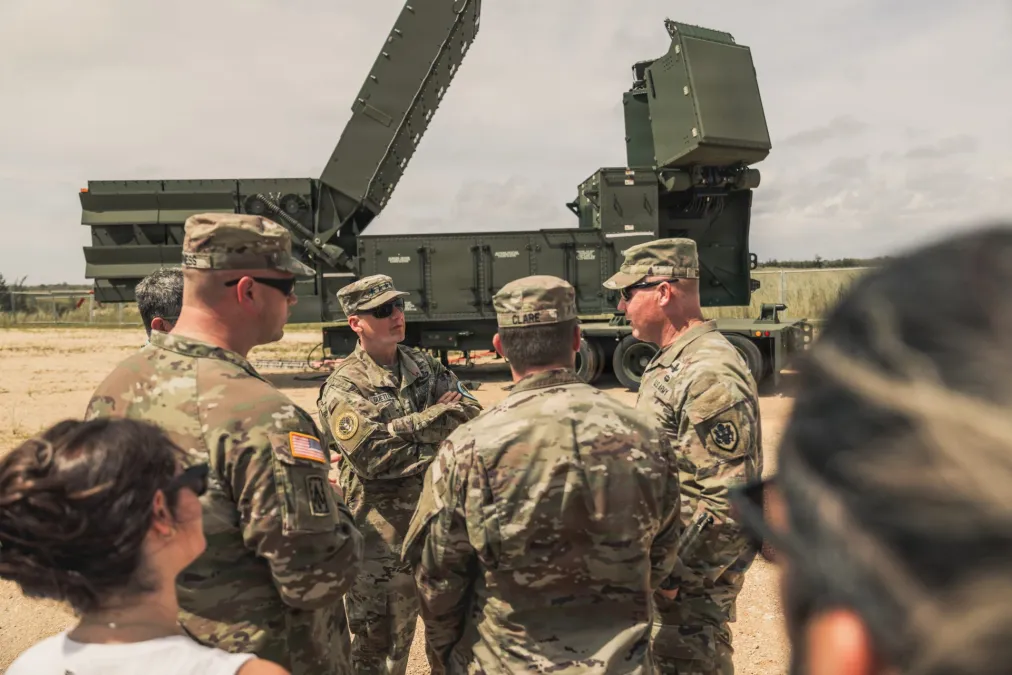
Members of the military and industry observed the tests, which were designed to demonstrate and challenge the unique C2 capabilities required for the architecture, Lt. Gen. Brian Gibson, vice director of Golden Dome, said Wednesday. A key focus was understanding how the Pentagon can integrate current systems with new technologies, as well as pushing boundaries of the department’s vision, he said.
“They were designed to validate software, they were designed to validate sensor-to-shooter linkages that perhaps are different than what today exists,” Gibson said during the 2026 Intelligence and National Security Summit in Bethesda, Maryland. “They were designed to add stress on the locations and the ranges where we did them to be the biggest that we’ve ever done.”
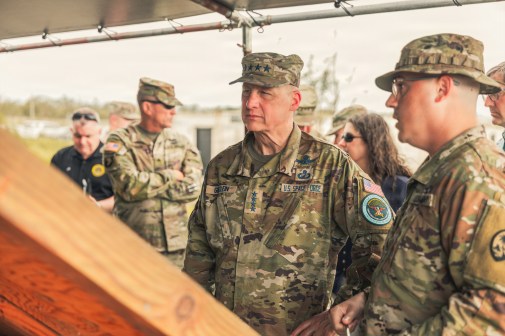
The tests were first revealed earlier this month by Golden Dome czar Gen. Michael Guetlein during the Space and Missile Defense Symposium. Though he lauded the events as very promising, he did not share specific details besides that one of the tests was held in June at White Sands Missile Range in New Mexico.
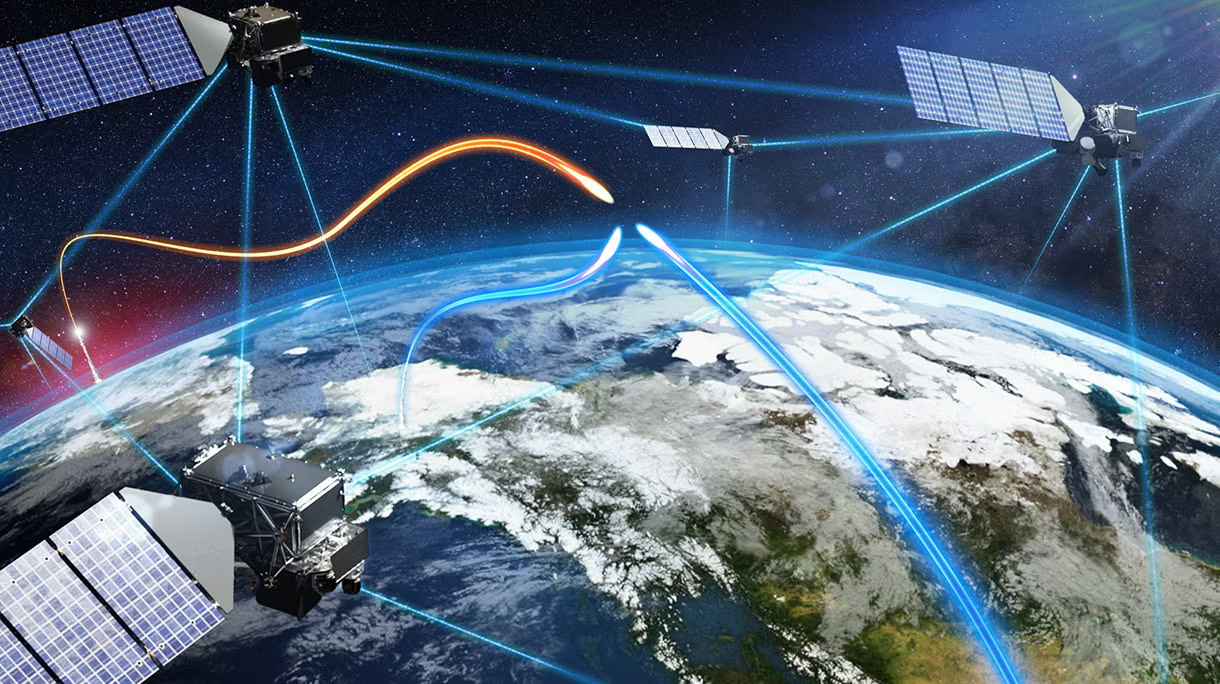
Golden Dome is envisioned as a sprawling, multi-domain architecture of sensors and weapons serving as a missile defense shield over the United States homeland.
While the Pentagon has not publicly disclosed its proposed architecture design, officials have repeatedly stated it would be one of the most intricate systems ever built by the department — comprising battle-proven and brand new systems developed by multiple services.
Because of that complexity, Guetlein has previously described command-and-control architecture as the initiative’s “secret sauce.” The Golden Dome office has already established an industry consortium of nine vendors to guide the network’s development.
During the first two tests, industry partners on contract and vendors with non-program of record capabilities were invited to view the demonstrations, Gibson said.
“How often does that happen inside of our military testing? Not often,” he said. “The partnerships with industry through those tests were incredibly valuable.”
Moving forward, the Golden Dome office plans to host additional tests over the next year that will be “bigger and more complex,” as well as feature more industry involvement, Gibson said.
“We want to learn where failure is so we can build to success, but we’re going to do it at the absolute margins of what technology can provide,” he noted. “We are laser focused on not allowing our approaches of the past constrain us for what we’re getting ready to do.”
However, future testing can only happen if the program receives funding in fiscal 2027. Golden Dome’s budget is at risk of drying up in the coming weeks, as a lion’s share of the Pentagon’s funding request in FY27 relies on Congress passing another reconciliation package.
The final price tag has been a point of contention, as well. Golden Dome’s current projected budget is $180 billion, but independent organizations have estimated the missile defense shield could cost over a trillion dollars.
Gibson addressed the concerns, noting that dialogue around the project’s funding is important. He said the Golden Dome office is committed to fielding an architecture that is affordable to maintain and emphasized that is the path they are on.
“Gen. Guetlein is developing an architecture that is absolutely based on disaggregation, based on the ability to connect things differently and the ability to take advantage of operation inside of our own shores without impacting the programs of record that our services and our department have established,” Gibson said.