As Project Gatekeeper goes live, Army plans integration with frontier AI models
Just weeks after announcing plans to launch Project Gatekeeper, the Army went live Friday with the new initiative meant to accelerate the software accreditation process for vendors looking to offer their software to the military branch — and soon, frontier artificial intelligence models will be added to further speed up the security testing.
Project Gatekeeper looks to automate the typically manual and burdensome authority to operate (ATO) process, which often stretches on for months, allowing commercial vendors instead to share code with the Army’s DevSecOps Platform and validate in near-real time.
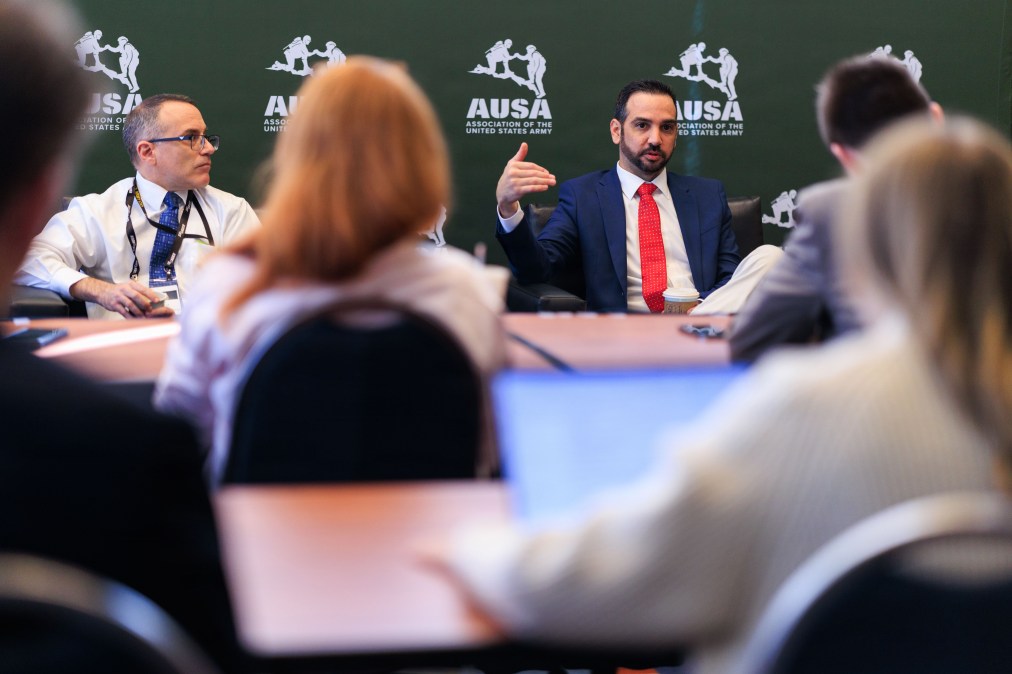
Acting Army CIO Gabe Chiulli first shared details of the initiative at the annual AUSA conference in Washington, D.C., on Oct. 13.
“Success to me looks like a company, within minutes, can log in, commit their code, get the green check mark from our pipeline that says you are good to go, and they’re very quickly able to provide that code up the network to wherever they may be able to deliver,” Chiulli said at the conference.
For now, vendors with a Department of Defense common access card can log in to Project Gatekeeper to test their code in “secure, containerized enclaves that prevent unauthorized exposure to operational data while allowing authentic testing against Army enterprise standards,” per an Army news release. But soon that access will be expanded to the wider public using credentials through the General Services Administration’s single sign-on platform, Login.gov.
On top of that, the Army plans to begin adding top frontier AI models to the Gatekeeper environment “to strengthen existing security tools, provide aggregated security reporting and help prioritize remediation efforts,” the service said, though it didn’t reference what models it would use.
In doing so, a vendor can now test their code before engaging in an official solicitation so that it is already vetted and ready to hit the ground running if and when they go on contract with the service, ultimately speeding up the Army’s path to commercial software adoption.
At AUSA, David Wright, the chief architect for the Army’s Software and Innovation Center, touted that time reduction as a way to “begin to immediately see value from the work that [vendors are] doing without all those additional barriers.”
“The idea here is not to lessen the security requirements, but more to make the process more accessible and available, so that they can get immediate feedback and understand what it is that needs to be adjusted or corrected before these things are brought into an Army environment,” Wright said.