Air Force eyeing robotic boats for Tyndall AFB
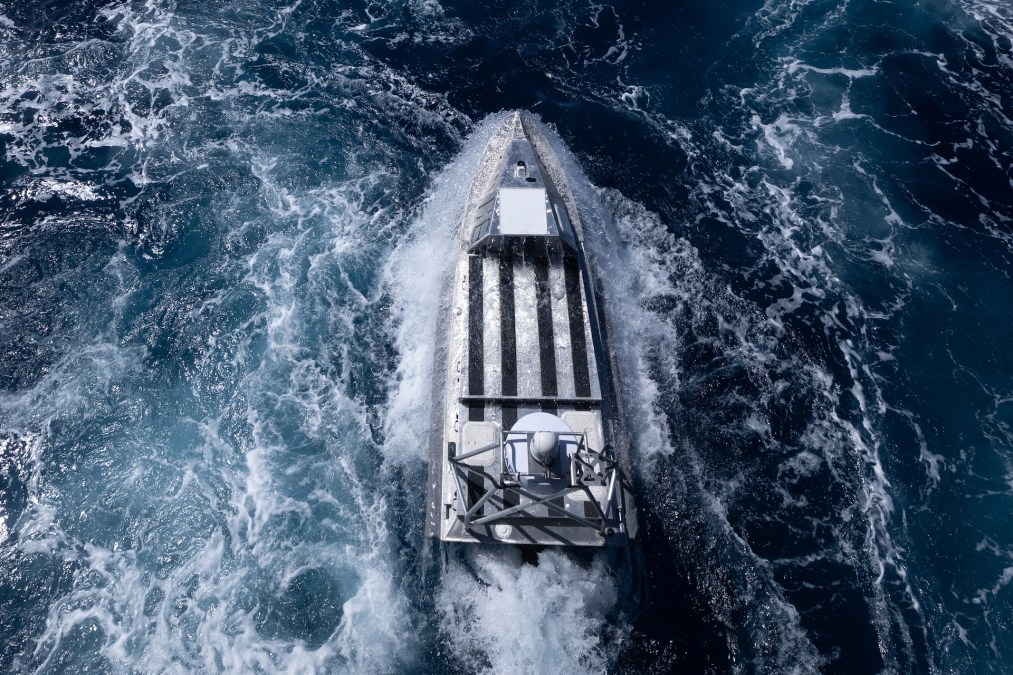
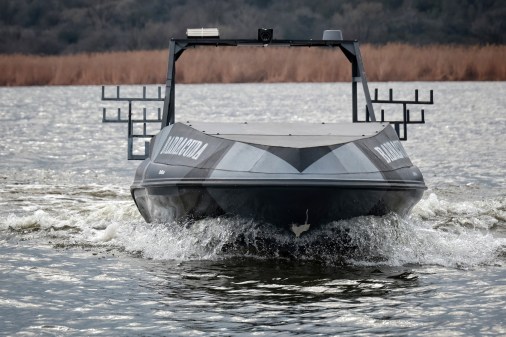
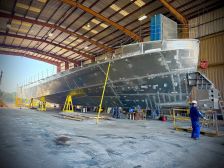
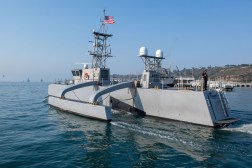
The Air Force is conducting market research on unmanned surface vessels that could potentially support maritime operations near one of its key facilities.
The service issued a request for information this week to gather industry feedback.
Tyndall Air Force Base, which is under Air Combat Command and home to the 325th Fighter Wing and the unit’s stealth jets, is located near Panama City, Florida, and the Gulf of Mexico, which President Donald Trump has rechristened the Gulf of America.
Robotic vessels could potentially help protect the installation from seaborne threats.
“Tyndall AFB is exploring the expanded use of Unmanned Surface Vessels (USVs) to supplement and enhance its maritime operational capabilities. The evolving maritime security landscape, characterized by a wide range of threats and the need for persistent surveillance and reconnaissance, necessitates the exploration of innovative and cost-effective solutions. USVs offer the potential to perform a variety of missions with reduced risk to personnel and lower operational costs compared to crewed vessels. Tyndall AFB is interested in understanding the current state of the art in USV technology, including advancements in autonomy, sensor integration, propulsion, and command and control systems,” per the RFI.
The Air Force seeks information on the “availability, specifications, rough order of magnitude (ROM) cost, life cycle costs, and maintenance concepts” for USVs, officials wrote in the notice, adding that industry responses will be used for planning purposes and to guide the potential development of a future acquisition strategy.
The service is requesting information about the size of contractors’ platforms, technical readiness levels, manufacturing readiness levels, production capacity, propulsion systems, payload capacity, seakeeping, autonomy, and command and control, among other areas of interest.
“Describe the level of autonomy of your USVs (e.g., remote-operated, semi-autonomous, fully autonomous). Detail the autonomous navigation and collision avoidance capabilities, including compliance with COLREGS,” officials wrote in the RFI, using an acronym to refer to the Convention on the International Regulations for Preventing Collisions at Sea.
They’re also asking contractors to describe their C2 systems, including “data link types (e.g., satellite, line-of-sight), bandwidth, and security features.”
Potential payloads mentioned in the RFI include electro-optical/infrared (EO/IR) cameras, radar, sonar, electronic warfare systems and weapon systems.
Industry responses are due May 8.