Hormuz and the defense posture we don’t have
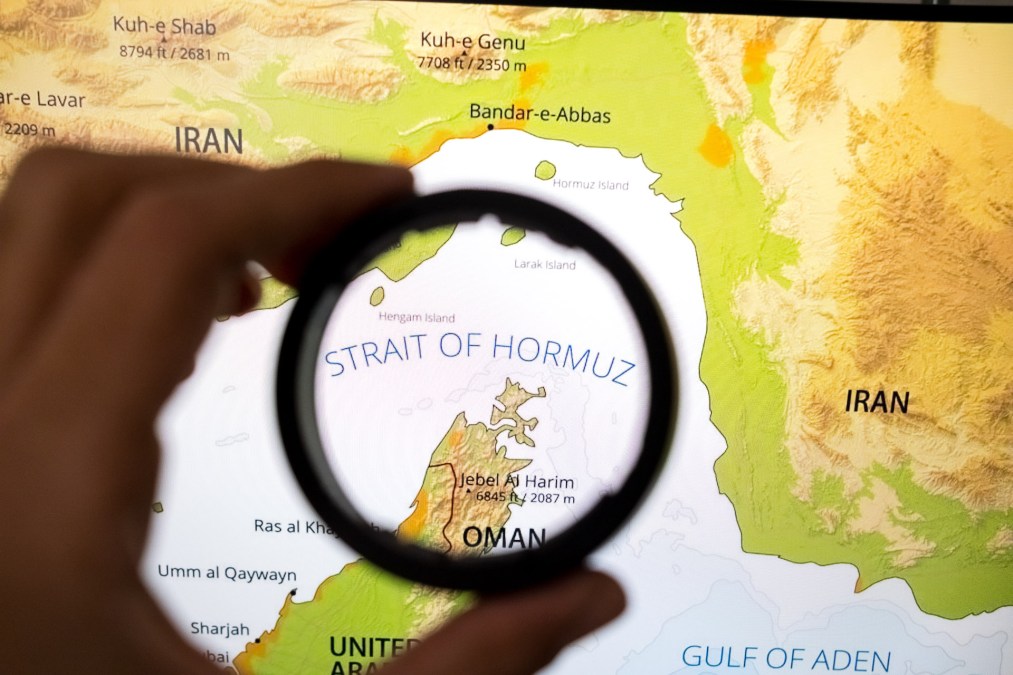
The closure of the Strait of Hormuz is not a crisis in isolation. It is a data point in a larger story American defense planners can no longer afford to read slowly.
I spent over three decades in the United States Navy, much of it operating in and around the Arabian Gulf and the approaches to Hormuz. The Fifth Fleet lives in that water. Our carriers, destroyers, and aviation assets have been the guarantor of freedom of navigation for the global economy that moves through those 21 miles.
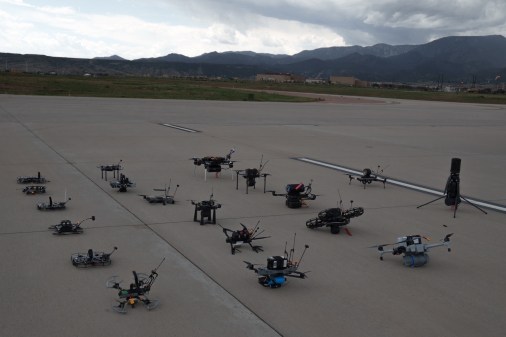
What is unfolding now is an inconvenient truth. Our time-tested conventional power projection platforms — aircraft carriers, surface combatants, manned fighters — have been stymied, at least for a moment, by low-cost Iranian drones and motorboats. A nation-state with a fraction of our naval budget has used one-way attack systems, small-boat swarms, and asymmetric sea denial to hold one of the world’s most important waterways at risk.
This is not the first warning. The war in Ukraine has shown, unambiguously, that the future of conflict belongs to whichever side can produce and field autonomous systems, precision drones, and networked sensors faster than its adversary. First-person-view attack drones, maritime surface drones, and loitering munitions have rewritten the math of deterrence in under three years. Hormuz is that same lesson, in salt water.
A carrier strike group, however capable, cannot sit inside a choke point saturated with hundreds of cheap one-way systems and a swarm of fast attack craft and assume clean dominance. A multibillion-dollar platform engaging a ten-thousand-dollar threat, over and over, is not a sustainable model of deterrence. Our adversaries have read our doctrine, priced our inventory, and built a counter-force that is numerous, attritable, and hard to target.
That is the diagnosis. The response has to be structural. The United States and our Allies need a modern defense structure that can be produced at scale and distributed at echelon from the tactical edge to the operational headquarters.
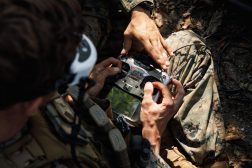
That means attritable autonomous systems fielded by the tens of thousands, not the dozens — air, surface, and subsurface — so the cost-exchange math works in our favor. It means FPV and one-way attack drones in the hands of small units and maritime boarding teams so that a squad or a patrol craft can hold a small-boat swarm at risk from standoff. It means networked autonomy and open software architectures, so platforms from different manufacturers can sense and cue together, and so a software update — not a new airframe — is what keeps us ahead. It means resilient, domestic production that does not depend on adversary supply chains. And it means training and doctrine built around human-machine teaming, where one sailor, Marine, or soldier commands many unmanned systems rather than operating one.
None of this is science fiction, and none of it is a decade away. Much of it exists today, built by American companies and in use with American warfighters and Allied partners. We lack neither initiative or technology. What we lack is scale, urgency, and an industrial posture that treats this generational shift with the seriousness it deserves.
That is why I have joined the advisory council of Autonomous Power Corporation, known as Powerus. Powerus is building exactly this layer of the American defense industrial base. Powerus will partner with America and our Allies to drive this transformation at scale, and on echelon.
Hormuz will open again. The next contested strait will come. The only question left is whether we meet it with the force structure of the last war, or the one this generation of warfare actually demands.