Textron wins Navy task orders for drone ISR services to support 7th Fleet, other forces
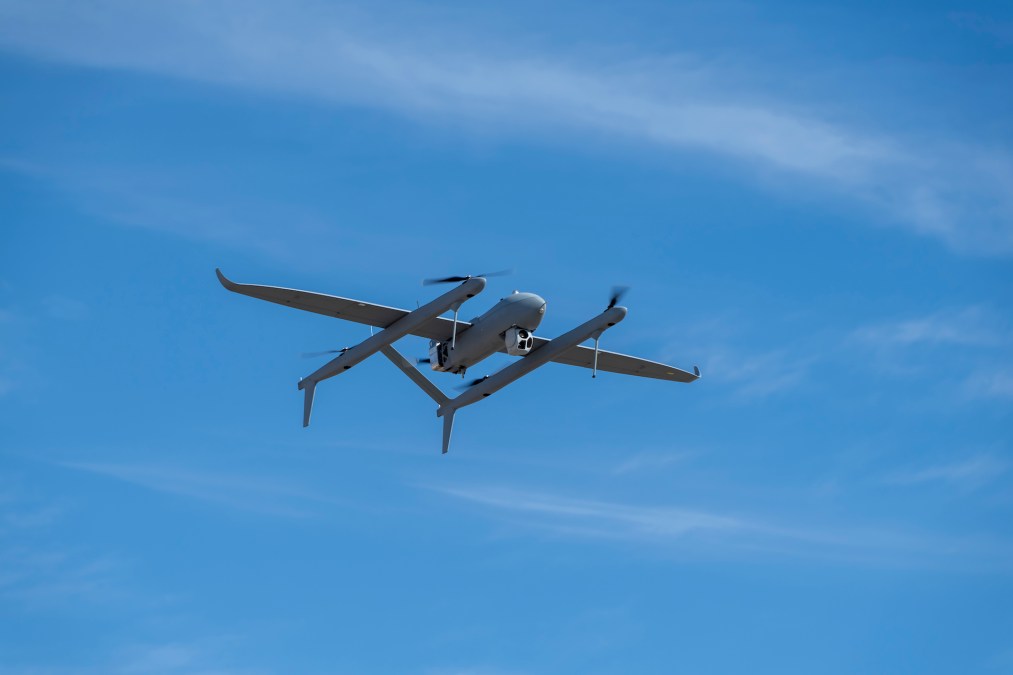
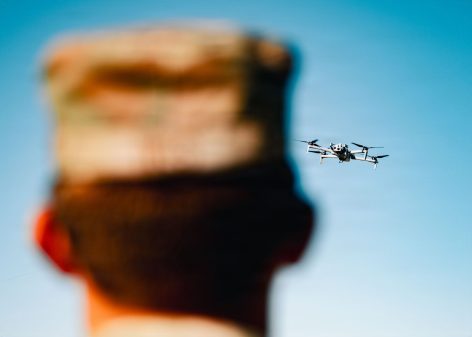
Textron Systems recently secured two task orders from Naval Air Systems Command to use contractor-owned, contractor-operated drones to provide intelligence, surveillance and reconnaissance services in support of 7th Fleet in the Pacific and other U.S. military forces.
Procuring those services from contractors allows the military to boost its ISR capacity without having to buy and maintain additional platforms and manage their full lifecycles.
Last year, the Navy identified four unmanned aerial system vendors to compete for task orders on a limited-source basis: AeroVironment, Shield AI, Insitu and Textron. According to a Class Justification and Approval from NAVAIR, the estimated aggregate value of the initiative over a five-year time frame is $819 million.
Textron and Insitu had been providing drone ISR services to the Navy for years before AV and Shield AI were added to the vendor pool following market research into additional UAS companies that could meet the Navy’s needs.
In an RFI released last year, the Navy highlighted its interest in runway-independent drones with an operational range of at least 75 nautical miles and a variety of sensing capabilities, including full-motion video, electro-optical and infrared sensors, and an electronic warfare “type” sensor or wide-area maritime search sensor. Officials noted they wanted systems that could operate effectively in adverse weather conditions, austere environments and areas where GPS navigation is impaired.
Earlier this year, the Navy published presolicitations for the first two orders that were expected under the basic ordering agreement framework with the eligible vendors to help support combatant commands.
On Thursday, notices were posted on a government contracting website indicating that Textron recently landed two task orders — one that was awarded on Aug. 24 and is worth up to approximately $43 million if all options are exercised, and a second that was awarded on Aug. 31 and is worth up to nearly $42 million if all options are exercised. Each of the deals includes a base period of performance and multiple option periods for up to five years of service.
The company is expected to provide COCO “unmanned aviation services to deliver continuous, reliable sensor data and full-motion video to U.S. Navy and joint forces at sea and ashore,” per the notices. The procurements include the delivery of “Maritime B-Kits” to support forces operating in the Pacific region, particularly the U.S. Navy’s 7th Fleet, which is headquartered in Japan.
“Each kit is provisioned with a Pre-Operational Support period, a 12-month Operational Support period providing up to 175 sensor data hours per month, and a Post-Operational period,” according to the notices.
Having those capabilities in theater could help the Navy and Pacom keep an eye on Chinese military assets and other potential threats in the region.
Textron plans to provide its Aerosonde Mk. 4.7 vertical take-off and landing (VTOL) drone for its efforts under the task orders, Sara Willett, the company’s president of programs, told DefenseScoop, noting that its Aerosonde systems have previously racked up more than 750,000 operational flight hours and offer 40-plus payload integrations.
The VTOL platform has a range of 75 nautical miles, according to a product description. Aerosonde drones can carry up to six payloads in a single flight. Their sensing and intelligence-gathering capabilities include full-motion video and day/night imaging; maritime wide area search; synthetic aperture radar; automatic identification systems; automatic dependent surveillance-broadcast; signals intelligence; communications intelligence; light detection and ranging (LiDAR); and 3D mapping.
Additional tools for the platform include electronic warfare, voice communications relay, ad-hoc networking, and anti-jamming capabilities for assured position, navigation and timing.
“Textron Systems is proud to support the U.S. Navy’s mission-critical maritime operations. We have provided shipboard uncrewed aircraft system (UAS) support for more than a decade through contractor-owned contractor-operated (COCO) missions including both operations support and training,” Willett said, adding that the two competitive task orders that were recently awarded “expand Textron Systems’ maritime operational presence into the Littoral Combat Ship (LCS), Guided Missile Destroyer ( DDG) and Maritime Support Vessel (MSV) classes.”