III MEF integrates MRIC surface-to-air defense system during Pacific exercise
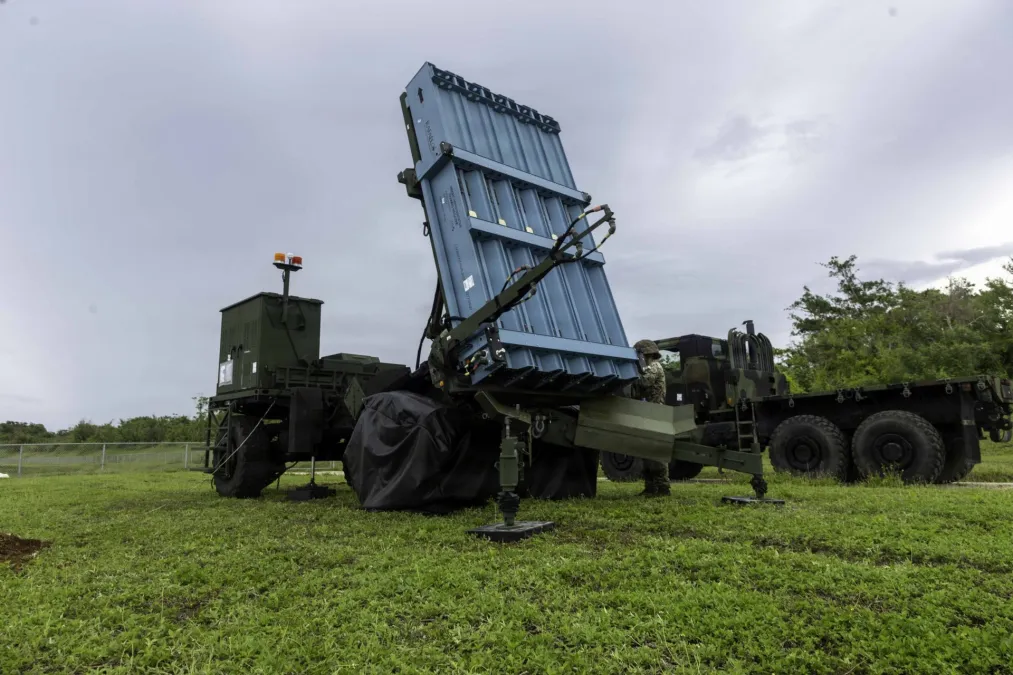
A Japan-based Marine Corps unit officially used the Medium-Range Intercept Capability (MRIC) during a recent exercise, the service said Sunday, touting the integration of the mobile, surface-to-air system as a “significant step” in deterring China in the Pacific.
Troops from III Marine Expeditionary Force ran simulation drills with the MRIC at the Mason Live Fire Training Range Complex in Guam during exercise Valiant Shield, according to photos posted by the service, the eleventh iteration of a long-running series of multinational maneuvers focused on Pacific deterrence.
DefenseBlog reported it was the first confirmed sighting of the system during such an exercise.
The MRIC gives the Marine Corps an organic, medium-range defense — 4 to 70 kilometers — against cruise missiles and drones without having to rely on other services for protection.
“Our modernization efforts and forward posture send a clear message to the region,” said Lt. Gen. Roger Turner, III MEF commanding general, according to a service press release. “By enhancing our defensive capabilities with the MRIC, we are strengthening our ability to stand with our allies and partners.”
The integration of the MRIC also comes amid a growing need for U.S. mid-range air defense systems, which became critical during the Iran War.
The MRIC is a mobile, trailer-mounted system based on Israel’s Iron Dome concept. It incorporates existing Marine Corps radar and can carry up to 20 interceptor missiles called SkyHunters, American versions of Israel’s Tamir interceptors.
Last year, Raytheon-Rafael Protection Systems (R2S), a partnership between RTX and Israeli company Rafael Advanced Defense Systems, opened up a new facility in Arkansas to produce Tamir and SkyHunter interceptors, touting a $1.25 billion contract at the time.
Rafael announced that it delivered the first batch of interceptors to the Marine Corps for its MRIC program last month.
“This flexibility significantly enhances III MEF’s ability to provide close-in, low-altitude, surface-to-air defense, while giving the Joint Force the unprecedented ability to exist, persist, and sustain operations inside an adversary’s weapons engagement zone,” according to the Marine Corps press release.
The service requested $233.6 million for the MRIC program in fiscal 2027, according to budget documents, and plans to fully equip three batteries within the next three years.