Air Force aims to have next-gen engine ready for aircraft integration by 2030
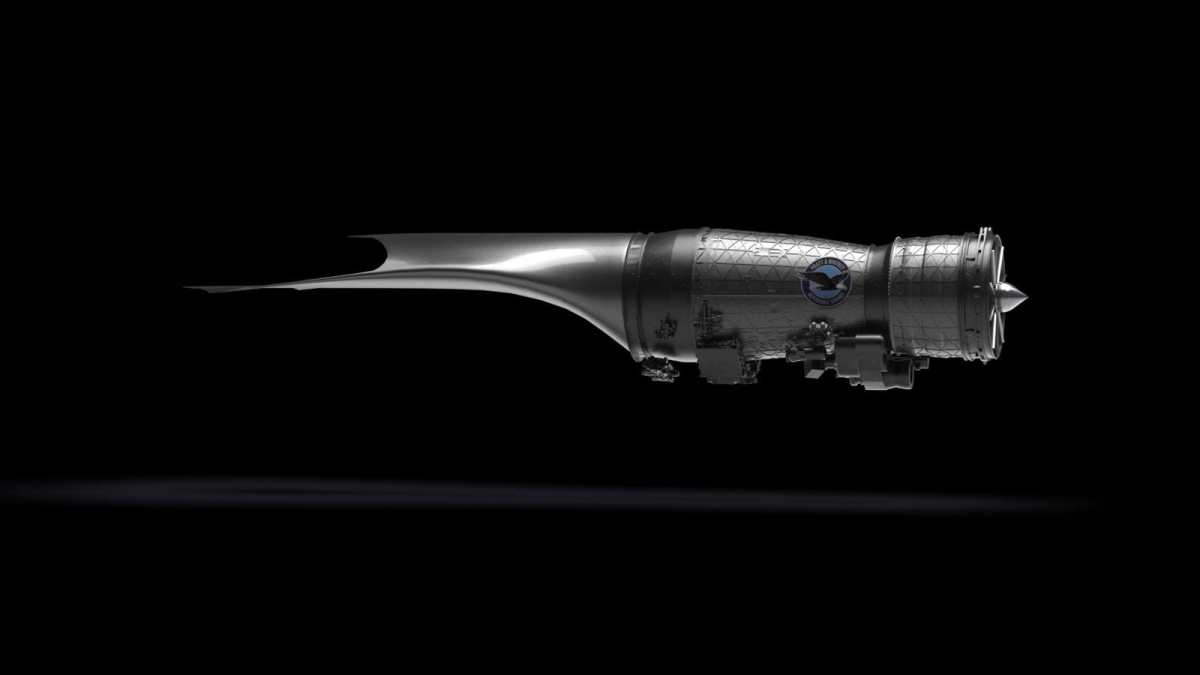
DAYTON, Ohio — The Air Force is gearing up to begin prototyping and testing its next-generation engine so it can be retrofitted onto an aircraft before the end of the decade, according to a service official.
The Next-Generation Adaptive Propulsion (NGAP) program recently completed a pre-prototyping readiness review, John Sneden, portfolio acquisition executive for propulsion, told reporters this week at the Air Force’s Life Cycle Industry Days. In the coming years, prime contractors GE Aerospace and Pratt & Whitney will start building and testing prototypes of the adaptive engines to have them ready “for potential integration activities in the 2030 timeframe,” he said.
However, Sneden could not confirm which aircraft the NGAP engine will be retrofitted with and emphasized that the Air Force is currently looking at all of the options available.
“We built NGAP as essentially an agnostic system. It was, build the system first, open up options for the future and then when those options come to the forefront, we’ll be able to take advantage of it,” he said. “So what we’re doing right now is we’re building our system today, and we’re getting ready for the future.”
Air Force officials have said that the NGAP engine will be more fuel efficient and offer higher thrust and thermal management than current propulsion systems. The underlying technology — known as an adaptive jet engine — can change its physical shape and internal airflow mid-flight to balance power needs and fuel savings.
The program initially intended to develop a propulsion system for the Air Force’s F-47 sixth-generation fighter jet, which is on track for first flight in 2028.
Multiple delays caused by budget limitations have pushed the NGAP effort back by around three years, however, meaning that the F-47 will first fly with a different propulsion system until the adaptive engine is ready for integration.
“Competition is the gateway that enhances producibility, drives innovation [and] keeps costs down,” Sneden said. “So it’s actually quite critical, and it’s also critical to be able to maintain our advanced propulsion industrial base as we go into the future.”
Sneden wouldn’t eliminate the possibility that NGAP would be integrated with the F-47 in 2030, but emphasized the program is developing an entire suite of advanced engine technologies that could be leveraged across the Air Force’s fleet.
“You can break those technologies and actually integrate them backwards, too. Not everything has to have an adaptive fan,” he said. “We can actually take that backwards, as well as incorporate it in some of our legacy platforms. So, there is a great utilization for this type of tech.”
The Air Force is requesting $514 million in fiscal 2027 for NGAP’s continued research-and-development. Budget documents show that the service predicts it will need almost $906 million in fiscal 2028 — an increase that will enable building and testing the engines so they are ready for integration in 2030, Sneden said.