DOD wants nearly $30 billion to modernize its AI supercomputing arsenal in fiscal 2027
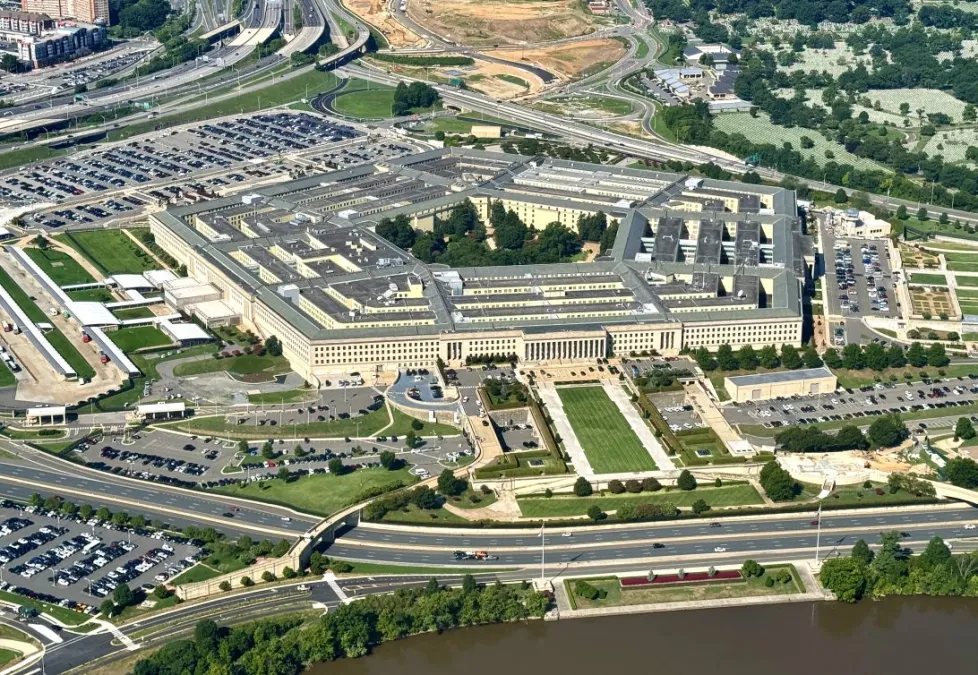
The Defense Department is requesting close to $30 billion in fiscal 2027 to purchase and enable next-generation AI supercomputers and modernize the military’s computing infrastructure to power them.
According to recently published budget documents, the Pentagon aims to build out its portfolio of highly secure data centers, and ultimately centralize and scale supercomputing assets across the joint force through its new “AI Arsenal initiative.” The fiscal 2027 proposal comes with a $29.5 billion spending plan.
This proposed funding increase is up for consideration as DOD is hustling to integrate commercial AI models into battle management and warfare operations, threat detection and analyses, supply chain logistics and more.
“The department’s AI Arsenal initiative is an investment in foundational, government-owned AI infrastructure to maximize federal buying power and build the strategic advantage we need,” a Pentagon official told DefenseScoop this week.
Though brief, the mentions of this new initiative signal potentially substantial upcoming procurement opportunities from DOD for AI hardware, cybersecurity, sensors and other associated military technologies.
Budget documents indicate that this move is meant to help the department “transition from funding scattered clusters” of graphics processing units to an integrated and more organized infrastructure portfolio that covers strategic and tactical AI compute requirements.
“The initiative includes the concurrent construction of a full portfolio of hardened, Sensitive Compartmented Information Facility (SCIF)-accredited data center facilities across multiple sites and the procurement and installation of the initial fleet of state-of-the-art GPUs and AI supercomputers within the newly built data centers,” officials wrote in the budget request.
Considered factories of the digital age, data centers are specialized facilities that house servers, storage, IT and networking equipment needed to process and store the data that underpins the internet, cloud computing, and AI. They consume heaps of electricity and water for cooling, which can come with environmental impacts like high emissions, resource scarcity, and strained power grids.
Altogether, the Pentagon’s budget proposal for the next fiscal year is $1.45 trillion. That total includes $1.1 trillion in discretionary funds and an anticipated $350 billion in mandatory reconciliation funding — pending congressional approval.
In response to questions from DefenseScoop about the timeline and overarching vision for these data centers and AI supercomputers, a Pentagon official said the new infrastructure would be essential to supporting the growth and deployment of AI technologies — not only within the DOD, but also throughout the entire federal government.
“The White House’s AI Action Plan, released last year, outlines the importance of establishing robust AI infrastructure,” they said.
Launched by the second Trump administration last July, that strategy seeks to limit AI regulation at the federal and state level, while also encouraging the accelerated development of tech infrastructure and architecture, promoting the distribution of open-source AI models and datasets, increasing exports and eliminating ideological bias in contemporary and emerging systems.
Mandatory funds for the AI Arsenal initiative requested for fiscal 2027 would notably also provide the Pentagon with the means to establish a new National Security Investment Fund.
Budget materials note that the fund would be “intended to address persistent underinvestment in manufacturing capacity, energy systems, communications networks, and logistics infrastructure.”