DOD wants AI-enabled coding tools for ‘tens of thousands’ of users in its developer workforce
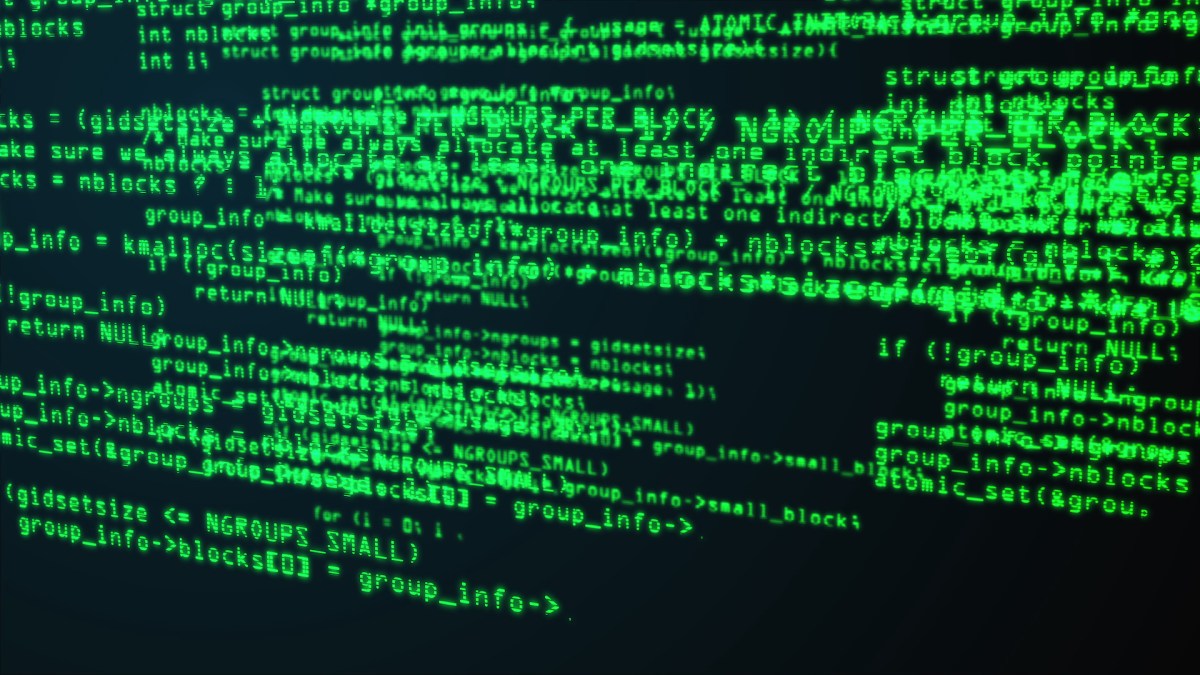
The Pentagon is looking to purchase AI-powered coding assets that can deploy at the edge and facilitate multipart engineering tasks with little human intervention, according to a recently published call for solutions.
In partnership with the Army, the Defense Department’s Chief Digital and AI Office (CDAO) intends to equip military and civilian developers with more commercial-grade AI options to enhance the quality and speed of software delivery for modern operations.
DOD’s software development workforce “currently lacks standardized, enterprise-wide access to AI-enabled coding tools that are commonplace in the commercial sector,” officials wrote in the solicitation. This gap, in-turn, “limits developer productivity, slows the delivery of mission-critical software, and places the department at a disadvantage relative to the pace of innovation in the private sector.”
The products the Pentagon is eyeing would enable AI-driven code generation, optimization, debugging, support and refinement directly at the point where data is generated or used.
Applied AI capabilities are a top-priority critical technology area for DOD under the second Trump administration. While the department has invested heavily and set clear directions for its personnel to lean on AI models in their day-to-day work in recent months, software coding and engineering-related efforts largely haven’t been publicized as a major focus area.
Spokespersons from the Army and CDAO did not respond to DefenseScoop’s request for more information about the call for solutions this week.
Via this effort, the Pentagon “seeks solutions that minimize time to delivery while maximizing capability and interoperability with existing infrastructure,” the solicitation states.
The AI code will be delivered through two primary modalities: integrated development environment (IDE)-based coding assistance, which integrate into developers’ existing code editors and support code completion, or involve chat-based assistance and other tasks; or command-line interface (CLI)-based agentic coding, which operate in the terminal or command line and perform multistep processes.
Desired capabilities will need to be accessible to the department’s developer workforce across diverse computing environments, operate within the DOD’s security and compliance framework, and be deployable at scale.
“The solution itself, or the infrastructure upon which it operates, must hold or be capable of achieving FedRAMP High authorization and Defense Information Systems Agency (DISA) IL5 Provisional Authorization (PA),” officials noted, referring to security compliance approvals for cloud service providers to host high-sensitivity Controlled Unclassified Information (CUI) and National Security Systems (NSS) data.
In addition to standard software-as-a-service (SaaS) deployment options, the Pentagon wants the ability to offer the AI-enabled coding tools within customer-managed cloud environments, on-premise infrastructure, and air-gapped or disconnected networks.
“The solution must be capable of deployment to a large-scale developer workforce (tens of thousands of users) across diverse computing environments, including desktop, virtual desktop, and web-based development environments,” officials wrote.
Among other elements, officials call for the products to have built-in attribution and traceability mechanisms to indicate or credit AI-generated code within development workflows.
The government’s submission process for this pursuit will unfold across three iterative phases that are detailed in the call for solutions.
The deadline for interested entities to submit solution briefs is March 6. Questions about Phase 1 are due on Friday.